Following the 9/11 terrorist attacks, officials declared the air at Ground Zero safe to breathe even as smoke and particles from the crash continued to permeate the air, and buildings smoldered for weeks afterward. One victim described a pile of rubble that burned for 99 days, sending soot, ash, and toxins into the air. Years later, this toxic air has caused thousands of people who lived and worked at the site with what has come to be known as 9/11 cancer.
New Yorkers went back to work and school very near the crash sites. Later, it was determined that the air was not safe to breathe and contained a range of dangerous toxins. This meant that even those who were not initially affected by the crash may have been harmed by exposure to the toxins in the days and weeks afterward.
This has led to an ever-increasing number of 9/11-related cancers. After the extent of the danger became clear, legislators expanded the 9/11 Victims Compensation Fund to offer benefits to those who suffered a 9/11-related cancer.
Studies have shown that September 11 first responders may be twice as likely to develop certain cancers than those who weren’t exposed. This is largely due to carcinogens and toxins present in the air during and after planes crashed into the World Trade Center resulting in an inferno. If you are a September 11 survivor or first responder, there are resources available to help pay for and manage these health issues.
Who are September 11 First Responders?
According to ID.me, September 11 first responders includes a range of different officials. In order to qualify as a first responder, an individual must be:
- An emergency medical technician or paramedic
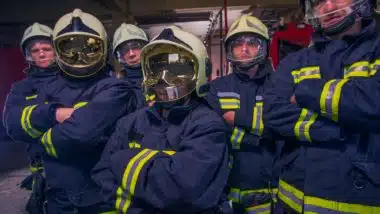
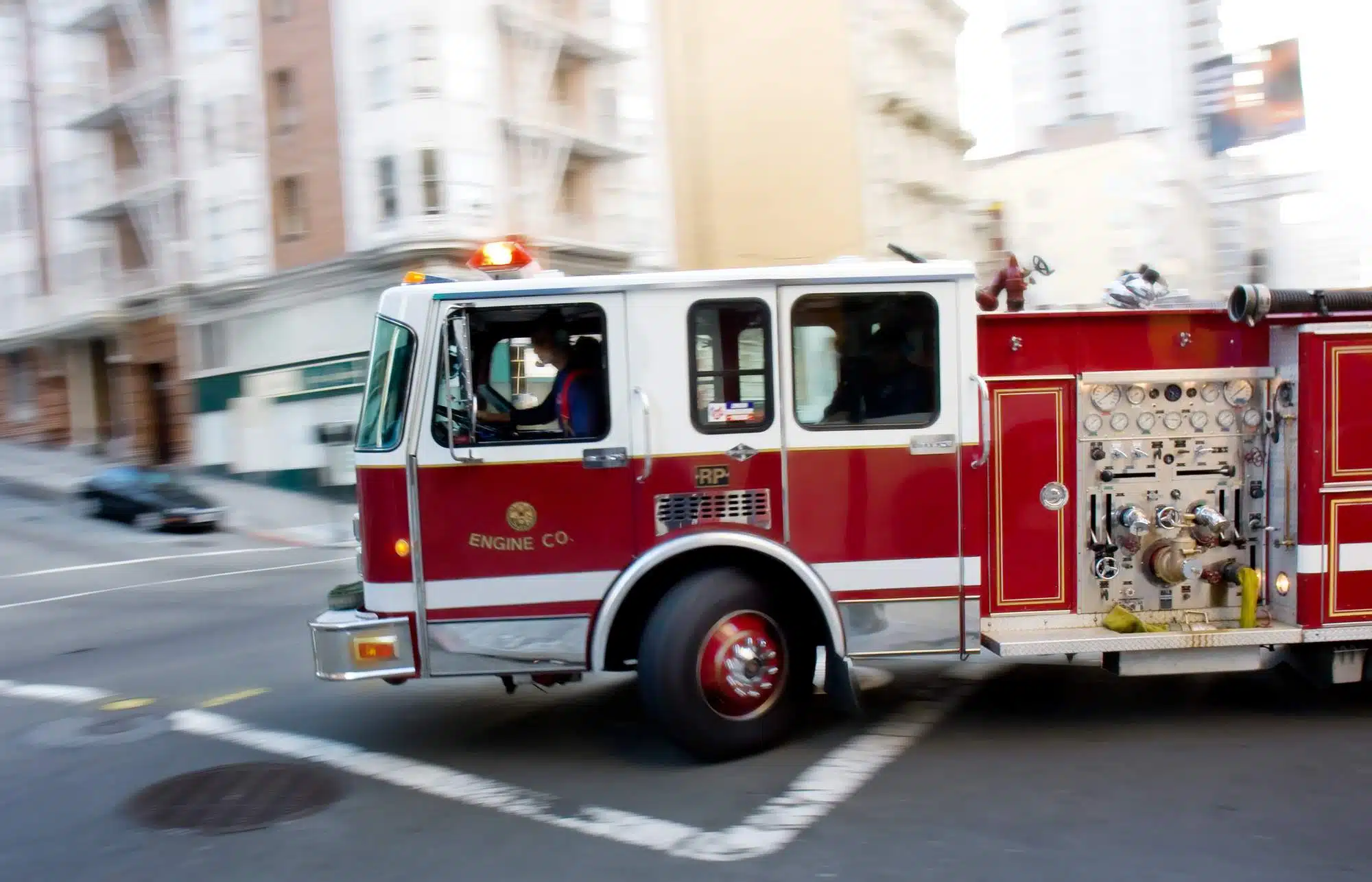
- A firefighter
- A member of federal, state or local law enforcement
In order to qualify as a September 11 first responder, an individual need not have been present at the World Trade Center on the day of the attacks. Rather, any first responders present at any of the sites, or surrounding areas, between September 11, 2001, and May 30, 2002, qualify as a September 11 first responder, according to the September 11 Victim Compensation Fund.
What Health Problems Do September 11 First Responders Have?
September 11 survivors, including first responders, may have faced or may yet face a number of health issues. First, survivors may have suffered burns or other injuries during the attack and subsequent clean-up efforts. However, just because a survivor didn’t suffer an acute injury doesn’t mean they didn’t suffer harm. There are many health issues that survivors face due to the atmospheric conditions after the attacks, namely dust and smoke.
First responders may have developed aerodigestive disorders including but not limited to asthma, interstitial lung disease, chronic laryngitis, or chronic cough syndrome. According to the CDC World Trade Center Health Program, first responders may also suffer mental health conditions such as acute stress disorder, anxiety disorder, or depression due to their work during or after the attacks. Musculoskeletal disorders like carpal tunnel and low back pain are also common.
However, by far the biggest risk to September 11 first responders is cancer. These cancers include non-Hodgkin lymphoma, Hodgkin’s disease, leukemia, multiple myeloma, thyroid cancer, prostate cancer, and many others.
Why is There a High Cancer Rate Among the First Responders?
A study found that some September 11 first responders may be more than twice as likely to develop thyroid cancer than the general population, Time reports. They are also at a 41% higher risk of leukemia and a 25% percent higher risk of prostate cancer. The overall increased risk of cancer was just under 10%. The risk increase is largely due to carcinogens and toxins September 11 survivors were exposed to during the attacks and subsequent clean-up process.
“There are lots of different things that were in that dust cloud, many of which are known to be harmful,” study co-author Dr. Henry Sacks told WebMD.
One such chemical that may be increasing survivors’ cancer risk may be benzene. There is evidence of a link between benzene exposure and certain cancers. Benzene is one of the main components found in jet fuel and was present at the attack sites, according to WebMD sources. Other chemicals and substances present included asbestos, lead, and dioxins, according to Time.
While some of these cancers may take years to develop and show signs, the likelihood of getting cancer isn’t affected by how long or how many days the first responders were at or near the attack sites.
 Some of the same factors that put the 9/11 first responders more at risk of cancer also increase their risk of developing other health issues including lung disease and heart disease. Because of this, September 11 first responders should maintain regular health monitoring.
What Types of Cancers Have Been Reported?
Many cancer types are covered by the World Trade Center Health Program, which provides treatment for health issues that have been shown to be caused by exposure to toxins in the air on September 11. The list is updated as the program learns more about the issues survivors are facing. The program covers any childhood cancers in those younger than 20.
The program lists malignant neoplasms of the blood and lymphoid tissues that September 11 first responders may develop. This group includes the following:
- Diffuse non-Hodgkin lymphoma
- Follicular (nodular) non-Hodgkin lymphoma
- Hodgkin’s disease
- Leukemia of unspecified cell type
- Lymphoid leukemia
- Malignant immunoproliferative diseases
- Monocytic leukemia
- Multiple myeloma and malignant plasma cell neoplasms
- Myeloid leukemia
- Other and unspecified lymphoid, hematopoietic, and related tissue
- Other and unspecified types of non-Hodgkin lymphoma
- Other leukemias of specific cell type
- Peripheral and cutaneous T-cell lymphoma
September 11 first responders may also develop the following cancers:
- Colon
- Esophagus
- Liver
- Digestive organs
- Rectum
- Stomach
- Eye and orbit
- Breast
- Ovaries
- Head and neck
- Respiratory system including the heart and lung
- Skin
- Soft tissues
- Thyroid
- The urinary system including prostate and bladder
The list is not exhaustive so if you have a cancer type that’s not listed, you may still be eligible for compensation through victims’ funds. It’s also important to note that studies took years to show an increased risk of leukemia, implying that other, slow-developing cancers may also be more common among September 11 first responders.
The 9/11 terrorist attacks illustrate the danger present in toxins. While male breast cancer is extremely rare, ABC News reports that the disease is more common among men who were September 11 first responders and survivors. Though there’s currently no proven medical link between 9/11 and male breast cancer, the unusually high number of survivors and first responders who have it, as well as the number of survivors with other cancers, indicates a likely association.
What Resources are Available to Help the September 11 First Responders?
September 11 survivors who develop health issues have resources available to them to help treat, manage, and pay for their condition.
First, the September 11 Victim Compensation Fund provides compensation to individuals or representatives of individuals who were present at or around the September 11 attack sites during or after the attacks themselves who have since developed an illness caused by their exposure. This compensation includes but isn’t limited to September 11 first responders.
Next, the World Trade Center Health Program assists survivors and first responders who were at the attack sites or in the disaster area. It offers medical monitoring and treatment for first responders from any of the sites and survivors who were in the New York City disaster zone.
Free 9/11 Cancer Fund Claim Evaluation
Navigating the complex and burdensome paperwork and strict deadlines to participate in the 9/11 Victim Compensation Fund can be difficult. An experienced 9/11 Victim Fund attorney can help and ensure you get the maximum compensation available.
If you were present near Ground Zero, generally considered to be Lower Manhattan below Canal Street, between Sept. 11, 2001 and May 31, 2002, and were diagnosed with cancer four years or more after exposure (or one year or more for blood and bone cancers), you may qualify for compensation.
Submit your information now for a free, no-obligation review of your potential 9/11 cancer fund claim.
ATTORNEY ADVERTISING
Top Class Actions is a Proud Member of the American Bar Association
LEGAL INFORMATION IS NOT LEGAL ADVICE
Top Class Actions Legal Statement
©2008 – 2026 Top Class Actions® LLC
Various Trademarks held by their respective owners
This website is not intended for viewing or usage by European Union citizens.
Get Help – It’s Free
Free 9/11 Cancer Fund Claim Evaluation
If you qualify, a September 11th Victim Compensation Fund attorney will contact you to discuss the details of your potential claim at no charge to you.
PLEASE NOTE: If you want to participate in this investigation, it is imperative that you reply to the law firm if they call or email you. Failing to do so may result in you not getting signed up as a client or getting you dropped as a client.
Oops! We could not locate your form.