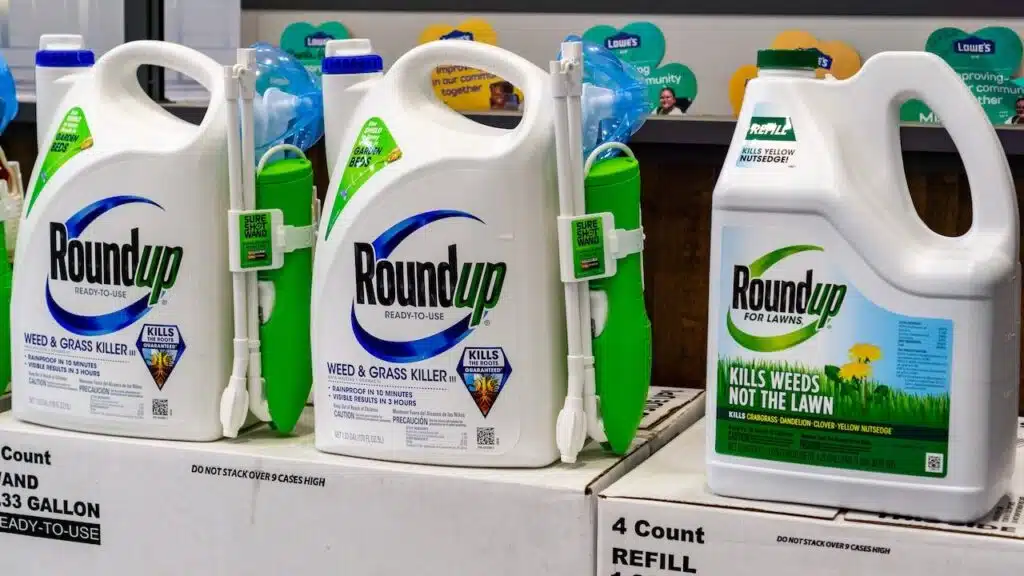
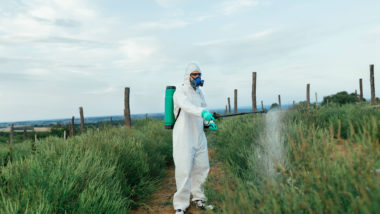
 Nestle is stepping back to look at their coffee production after a recent discovery that some of their products contained unusually high levels of glyphosate. Glyphosate is the active ingredient in the weedkiller Roundup and has become the subject of numerous lawsuits from people who say they got cancer after using the weedkiller.
Nestle is the world’s biggest coffee company but the discovery of high levels of this ingredient raised red flags for consumers. The levels of the ingredient found inside a recent test of their coffee products were very close to regulatory limits.
The company was the one to share the news about their discovery that residues found inside green coffee bean deliveries approached the allowed maximum. Glyphosate is found inside certain herbicides and became popular in the agriculture industry because of its effectiveness with killing weeds.
Did the Makers of Roundup Know about the Danger?
Some of the lawsuits filed against the makers of Roundup have ended in big awards for plaintiffs who developed cancer. Those plaintiffs argue that Monsanto knew about the possibility of the cancer connection but failed to warn the public about the dangers. Bayer, who now owns Monsanto, has continued to state that glyphosate is safe for regular use.
Nestle purchases coffee beans from a variety of traders, including one company by the name of Neumann Kaffee Gruppe. That company shared that they monitor for numerous substances on the beans they work with, including glyphosate. Nestle, however, now intends to increase the frequency of their checks into the process to identify whether or not glyphosate levels are higher than expected.
More than 100 different crops are treated with the herbicide. The EPA, despite the number of lawsuits filed involving the ingredient, states that the active ingredient is not a carcinogen and does not pose significant health risks for human. There are, however, documented ecological risks of what is otherwise an effective weedkiller.
The World Health Organization determined in 2015 that the ingredient was “probably carcinogenic” to humans, but noted that limited evidence on that issue was collected at that time.
Even though herbicides with that ingredient have been in use for decades, people have recently discovered that the weedkiller is making its way into regular life and onto tables. The makers of Roundup found out in 1994 that genetically modified crops could handle direct exposure to that chemical.
That’s when it became more popular for farmers to purchase Roundup and for it to be used in commercial and residential locations. Groundskeepers and landscapers began using the chemical on a regular basis. Many people even purchased it to use in their personal home to kill weeds because of how effective the chemical was for that purpose.
In recent years, however, many of those people have been diagnosed with cancer and specifically non-Hodgkins lymphoma.
Very little is known still about how the ingredient impacts the diets of humans and more research is being conducted to determine those effects. In the meantime, however, the concerns over possible cancer are playing out in courts for those plaintiffs who took legal action.
If you or a loved one developed cancer after using Roundup as a farm worker or home gardener, you may have a legal claim. Legal migrant farm workers may also seek help. Learn more by filling out the form on this page for a FREE case evaluation.
ATTORNEY ADVERTISING
Top Class Actions is a Proud Member of the American Bar Association
LEGAL INFORMATION IS NOT LEGAL ADVICE
Top Class Actions Legal Statement
©2008 – 2026 Top Class Actions® LLC
Various Trademarks held by their respective owners
This website is not intended for viewing or usage by European Union citizens.
Get Help – It’s Free
Join a Free Roundup Cancer Class Action Lawsuit Investigation
For the most up-to-date information on this case, click here.