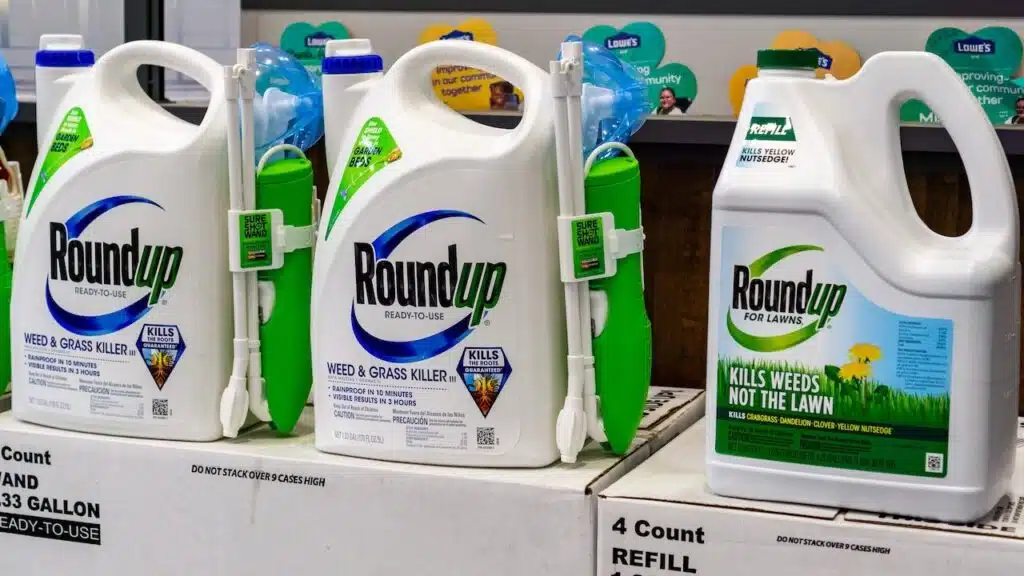
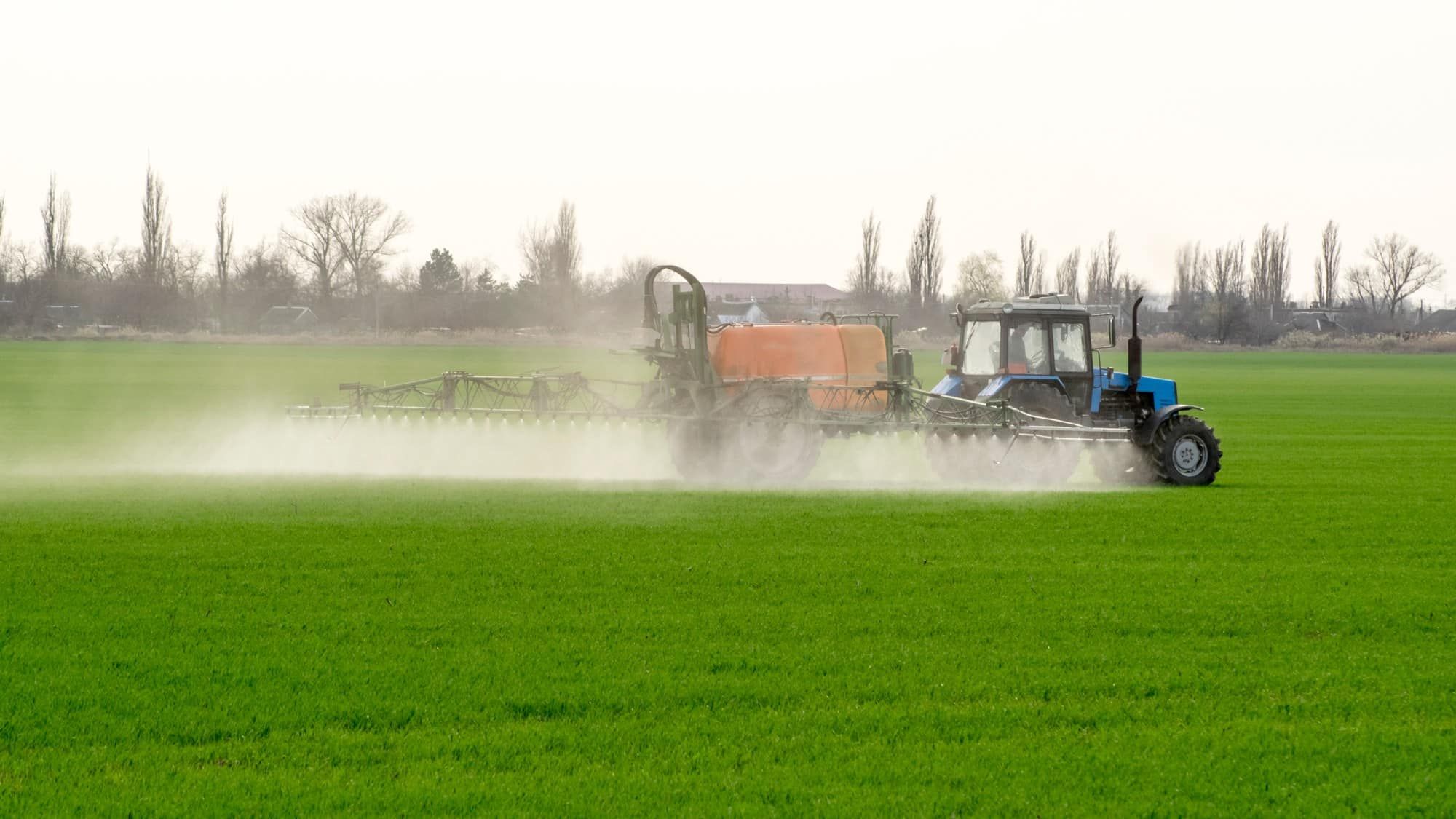
According to research released in late 2020, exposure to the chemical weed killer glyphosate, in addition to its possible connection to Roundup-related cancer, may be harmful to more than half of the microbiota contained in the human gut.
Glyphosate and Gut Bacteria
Researchers from the University of Turku, Eurecat Technology Centre of Catalonia, and Rovira i Virgili University studied the effect that glyphosate exposure may have on human gut bacteria and determined that the enzyme inhibited by the chemical in plants may also be inhibited in humans.
In plants, glyphosate, the active ingredient in Roundup, works by targeting an enzyme known as 5-enolpyruvylshikimate-3-phosphate synthase (EPSPS). This enzyme is involved in the synthesis of amino acids, hormones, and vitamins. When this enzyme is inhibited by glyphosate, it may prevent the plant from making proteins that are necessary in order for the plant to grow and thrive. When glyphosate is applied to weeds, this is how it kills them. While glyphosate may not have as serious an effect on humans, it may act similarly towards the microbiota in the human gut.
Glyphosate has long been thought of as a chemical that only harms plants, fungi, and bacteria, rather than humans or animals. However, EPSPS enzyme is found in the bacteria that inhabit the human gut. If this enzyme reacts to glyphosate in a similar manner to the way that the enzyme found in plants reacts, it may result in the loss of gut health and the development of gut-related conditions or diseases.

In addition to these potential chronic conditions, glyphosate exposure may also cause a type of cancer known as non-Hodgkin’s lymphoma.
About Glyphosate Health Risks
According to some studies, glyphosate has also been linked with an increased risk of cancer. Many plaintiffs who have used the weed killer over a period of years, either in the course of their job duties or for the purpose of hobby gardening or landscaping, claim that repeated exposure to the substance caused them to develop non-Hodgkin’s lymphoma or other health consequences. Some victims who have developed non-Hodgkin’s lymphoma after using glyphosate have been awarded thousands or millions of dollars by courts who determined that the weed killer was likely to have caused their diagnosis.
As glyphosate is often applied to crops or weeds by spraying a liquid form of the substance over the plants, it may be easy for people to accidentally inhale or ingest the spray. Additionally, as the weed killer is the most popular herbicide in the world, many consumers who have purchased and used the chemical may have believed it was safe and not worn protective gear. Although the Environmental Protection Agency has declined to state that glyphosate may cause cancer, the World Health Organization’s International Agency for Research on Cancer has declared the chemical to be a probable human carcinogen.
If you have developed negative health consequences after repeated exposure to glyphosate, you may be eligible to speak with an experienced attorney about your legal rights. Some victims of glyphosate-related cancer may be able to file a class action lawsuit against the companies selling the chemical and pursue compensation for medical expenses and injuries.
ATTORNEY ADVERTISING
Top Class Actions is a Proud Member of the American Bar Association
LEGAL INFORMATION IS NOT LEGAL ADVICE
Top Class Actions Legal Statement
©2008 – 2026 Top Class Actions® LLC
Various Trademarks held by their respective owners
This website is not intended for viewing or usage by European Union citizens.
Get Help – It’s Free
Join a Roundup Weed Killer Cancer Class Action Lawsuit Investigation
For the most up-to-date information on this case, click here.