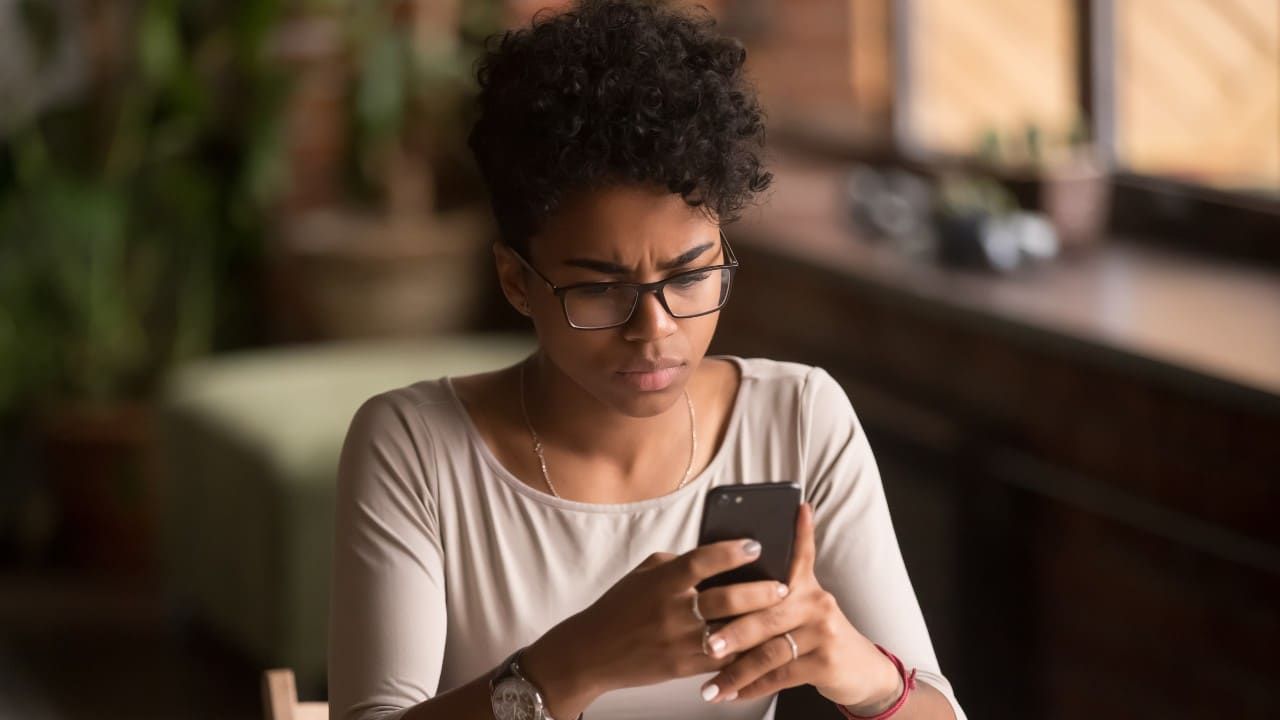
 A Tennessee woman has filed a Wells Fargo robocalls lawsuit, alleging the bank used an automated dialing system to place unwanted phone calls to her. The woman claims Wells Fargo ignored her cease and desist orders and reportedly ignored the fact that they were calling for a completely different person.
Plaintiff Marjorie W. alleges the bank was placing these unwanted automated dialing calls for a woman named Rosalyn W. According to her Wells Fargo robocalls lawsuit, Marjorie does not know any person named Rosalyn and had repeatedly told the bank they had the wrong number.
Marjorie believes the bank had used an automated dialing system to place calls, based on the fact there was a pause when she answered the calls and before an artificial voice began speaking.
Marjorie says she attempted to stop the calls on multiple occasions, including discussing this issue with representatives between January and March 2015. She told the representative that they are calling the wrong number, and that her name is not Rosalyn. She also spoke to a representative on July 10, 2017, who confirmed that she was not Rosalyn.
The representative not only reportedly apologized to Marjorie for the calls, but stated the calls would stop. Even with this effort, Marjorie still reportedly received unwanted phonecalls attempting to collect some other person’s debt. This also suggested the bank was using an automated dialing system, as these devices are used to generate phone numbers at random.
Marjorie is filing this Wells Fargo robocalls lawsuit, alleging the bank had violated the Telephone Consumer Protection Act (TCPA) and other federal privacy laws when placing these calls.
Overview of TCPA Policy
The Telephone Consumer Protection Act was enacted in the early 1990s, to help protect consumers against aggressive telemarketing and debt collection tactics.
This federal law prohibits companies from using automated dialing systems to generate phone numbers and place calls, as well as using an artificial voice to answer the calls, unless the person being called has already consented to such calls.
In addition, the TCPA also requires companies to keep record of consumers who ask not to be contacted by adding them to the company’s do-not-call registry. This list must be honored for up to five years, prohibiting these companies from contact the consumers for solicitation purposes.
Companies who are found to be in willful violation, as in knowingly going against TCPA policy, could be liable for up to $1,500 in statutory damages per unwanted phone call. When filing a TCPA lawsuit, consumers can benefit from documenting any evidence that could prove willful violation including:
- Obtaining and saving phone records and highlighting incoming calls from the telemarketer
- Make written record of calls received including: date of call, time of call, caller’s identity, and summary of conversation
- Save all voicemails
- Keep copy of letter revoking consent to receive calls
This Wells Fargo Robocalls Lawsuit is Case No. 2:17-cv-02645-SHL-cgc, in the U.S. District Court for the Western District of Tennessee, Memphis Division.
Join a Free TCPA Class Action Lawsuit Investigation
If you were contacted on your cell phone by a company via an unsolicited text message (text spam) or prerecorded voice message (robocall), you may be eligible for compensation under the Telephone Consumer Protection Act.
ATTORNEY ADVERTISING
Top Class Actions is a Proud Member of the American Bar Association
LEGAL INFORMATION IS NOT LEGAL ADVICE
Top Class Actions Legal Statement
©2008 – 2026 Top Class Actions® LLC
Various Trademarks held by their respective owners
This website is not intended for viewing or usage by European Union citizens.