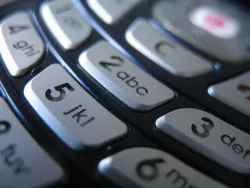
 Consumers around the country are filing their own text message class action lawsuit, alleging violations of federal consumer laws. Certain businesses have been accused of sending unwanted spam text messages regarding promotions and other sales to customers without prior consent. In response, consumers have filed their own text message class action lawsuit against the senders.
Consumers allege these texts violate the Telephone Consumer Protection Act (TCPA), a federal consumer privacy law that helps protect consumers against telemarketers. More specifically, the TCPA prohibits companies from using automated dialing systems from sending unwanted texts or phone calls.
Overview of TCPA Text Message Policy
While the TCPA was initially approved in the early 1990s, to help protect consumers against the rising problem of aggressive telemarketers. Not only did the law prohibit companies from calling at unreasonable hours, it also required companies to gain the customer’s permission.
Even though this law originally only pertained to robocalls, it was eventually updated to include text messages. However ever since the TCPA was amended to treat spam texts the same as spam calls in 2009, numerous consumers have come forward to file a text message class action lawsuit.
These unwanted text messages could result in statutory damages of up to $1,500 per unwanted text, which can incur quickly for businesses. In October 2013 federal regulators amended the TCPA to require businesses to obtain signed consent from the consumers before sending any messages.
In general the TCPA prohibits companies from sending unwanted calls or texts to consumers using automated dialing systems, and requires companies to gain written consent before sending the messages. The TCPA has a number of other regulations, businesses must follow to comply with federal law including:
- Calling before 9am and after 8pm
- Obtaining prior consent before initiating contact
- Using emergency lines for robocalls is strictly prohibited
- Businesses are also not allowed to send unsolicited faxes
- Add the consumer to the company’s do-not-call registry when requested, which must be honored for at least five years
Oftentimes, consumers can determine whether or not a robocall was made if the caller does not pause to identify themselves or the company they represent. Even though these rules primarily apply to phone calls, these rules also affect any unsolicited text messages. There have already been several significant text message lawsuit settlements including:
- Lifetime Fitness members settled with the company for $15 million, after allegedly receiving unsolicited text messages.
- Steve Madden shoppers settled their dispute with the show company for $10 million, after allegedly sending over 200,000 unsolicited text messages through a third party.
- Body Shop customers settled their lawsuit with the bathroom goods company for $7 million, after customers allegedly received unsolicited text messages without their consent.
Consumers who wish to file or join a text message class action lawsuit are advised to save all messages to illustrate the allegations. Any additional documentation that may pertain to the text message class action lawsuit should be stored for the potential legal action.
Potential claimants should seek a consultation with a knowledgeable TCPA lawyer to determine eligibility for a text message class action lawsuit.
Join a Free TCPA Class Action Lawsuit Investigation
If you were contacted on your cell phone by a company via an unsolicited text message (text spam) or prerecorded voice message (robocall), you may be eligible for compensation under the Telephone Consumer Protection Act.
ATTORNEY ADVERTISING
Top Class Actions is a Proud Member of the American Bar Association
LEGAL INFORMATION IS NOT LEGAL ADVICE
Top Class Actions Legal Statement
©2008 – 2026 Top Class Actions® LLC
Various Trademarks held by their respective owners
This website is not intended for viewing or usage by European Union citizens.