

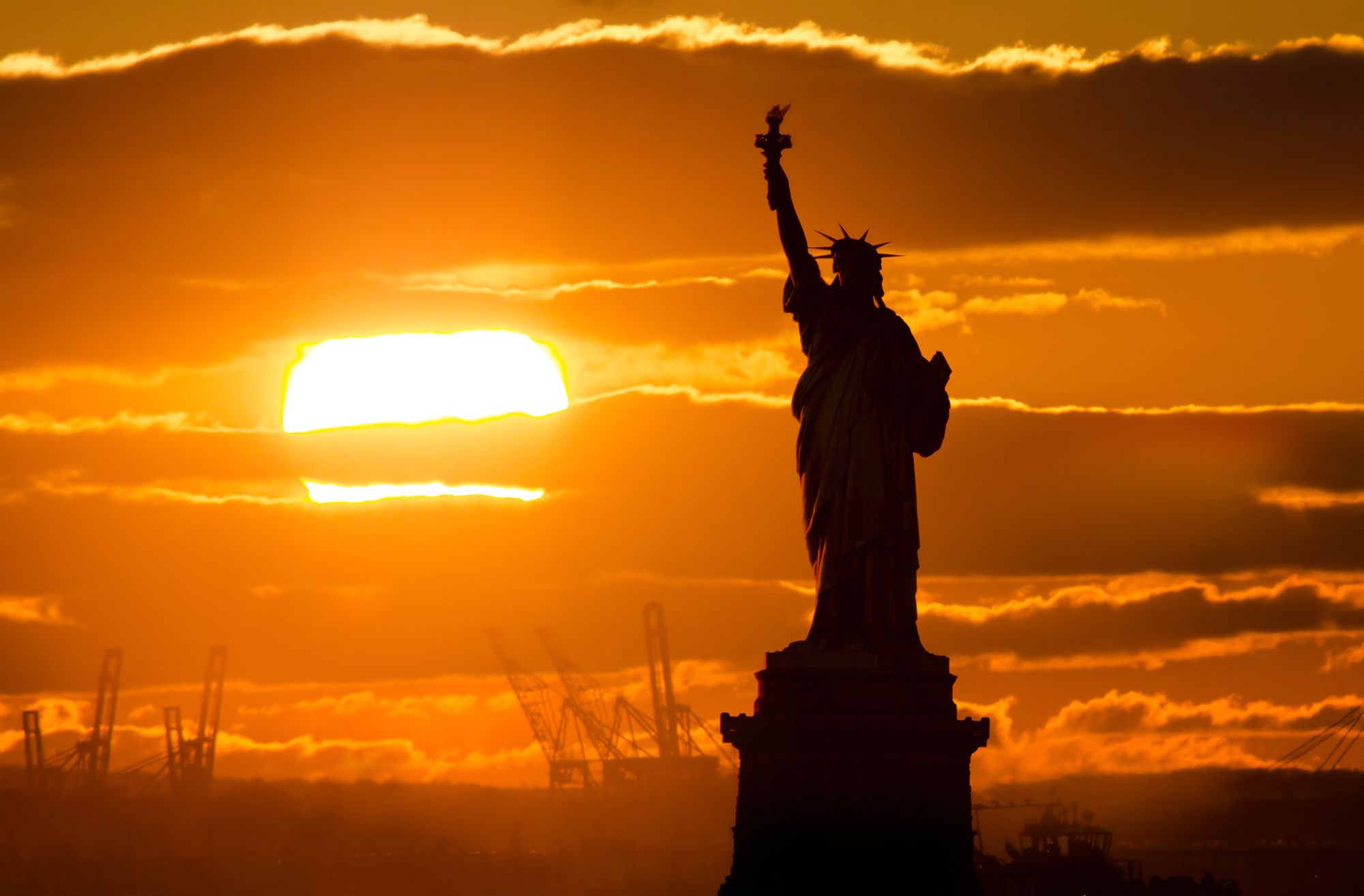
 Illegal debt collection practices have been alleged to occur throughout the state of New York.
Reports state and complain that debt collectors, including those who may be employed or hired by major banks or student loan companies, are more aggressive and forceful in recent years.
Under the New York FDCPA, or Fair Debt Collection Practices Act, debt collectors are prohibited from certain actions and must act according to guidelines set forth under the FDCPA. Under the law, New York FDCPA violations include making robocalls, calling too often and at inconvenient times of the day, or collecting on past debts.
More so, unethical debt collector conduct, which has in recent years abused New Yorkers’ rights and has had them victimized are New York FDCPA violations. In an effort, to collect debt, however, many debt collectors will violate prohibition asserted under the FDCPA.
Other New York FDCPA violations include harassment or making threats, adding fees and charges for collection on debt owed, communication with any 3rd party, and sending obscured and clouded letters.
Within the United States, some of the strongest and most protective laws pertaining to debt collections were passed in New York state. There, then Governor Andrew Cuomo, in 2015 and the New York Department of Financial Services revealed new, more stringent, state laws that must be followed by debt collectors.
The practice of debt collection in and of itself is legal in the United States, and so, by instituting and maintaining guidelines, it thus allows protection from debt collectors and allows consumers to challenge and conclude the legitimacy of their purported debts.
Any debt collector, who is noted as being someone who specifically collects debts owed to others, can be deemed to be in violation of any guideline set forth under New York FDCPA.
These debt collectors may include individuals from debt collection firms, attorneys who assist creditors within companies, and debt buyers.
The application behind the recent New York law, moreover, unveils to debt collectors how to use email to communicate with consumers about debt owed, and debt validation conditions, account specific disclosures and general collection, and statute of limitation disclosures.
Under New York law, New York FDCPA violations can occur if a debt collector does not inform the consumer while collecting a debt that the statute of limitations pertaining to the debt may have already expired. By law, debt collectors must inform consumers if the statute of limitations has already expired.
New York FDCPA violations may also occur by a debt collector if they were to engage in any kind of harassment or abusive practices. This further includes any misrepresentation or other false, misleading, and deceitful practices.
New York FDCPA violations by debt collectors entitle consumers to $1,000 in damages, including emotional distress that they may have been sustained.
Join a Free Unfair Debt Collection Class Action Lawsuit Investigation
If a lender or debt collector engaged in unfair debt collection practices, you may have a legal claim and could be owed compensation for violations of the Fair Debt Collection Practices Act (FDCPA).
DISCLAIMER: Debt collection itself is not illegal. However, debt collection firms collecting on consumer debts must adhere to the FDCPA. Even though debt attorneys are investigating these companies, their debt collection practices may be legal.
ATTORNEY ADVERTISING
Top Class Actions is a Proud Member of the American Bar Association
LEGAL INFORMATION IS NOT LEGAL ADVICE
Top Class Actions Legal Statement
©2008 – 2026 Top Class Actions® LLC
Various Trademarks held by their respective owners
This website is not intended for viewing or usage by European Union citizens.













