

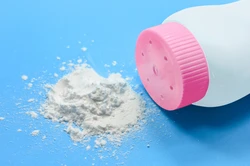
 Lawyers from all over the U.S. are participating in another of several baby powder trials in St. Louis. The baby powder cancer lawsuit alleges the plaintiff developed ovarian cancer as a result of using Johnson & Johnson’s talc-based baby powder and Shower-to-Shower powder.
Both of these products are popularly used for personal hygiene, with numerous women applying the powders to their genital area to reduce smell, moisture and friction. However it is this very use that, many claim, has resulted in thousands of women developing ovarian cancer.
There are currently thousands of baby powder cancer lawsuits pending in state and federal courts so specialized lawyers are monitoring this particular baby powder trial to see the outcome. More specifically, these lawyers are looking to see if Johnson & Johnson can prevail in a second victory in a baby powder cancer lawsuit.
Prior to the company’s previous legal victory, Johnson & Johnson experienced three consecutive losses in baby powder cancer lawsuits. Each of these trials concluded in Judge Rex Burlison’s courtroom in St. Louis, Missouri.
These plaintiff victories totaled up to $200 million in damages which were awarded to women who had reportedly developed ovarian cancer as a result of using the company’s talc based powders.
Current and past plaintiffs name Johnson & Johnson and talc supplying company, Imerys Talc America, of failing to disclose the alleged association between talc and heightened risk of certain cancers.
Overview of Baby Powder Trial
The current baby powder trial is centered around Lois S., a 61 year old Virginia woman alleging she developed ovarian cancer because she used Johnson & Johnson Baby Powder and Shower-to-Shower on her genital area.
It is important to note that Lois’ case reportedly was selected for the baby powder trial by Johnson & Johnson and Imerys, because the case being was favorable to them.
The baby powder trial was originally set to be a plaintiff selection after Johnson & Johnson had the previous choice in March, but Lois’s worsening health required a quicker trial date.
However, Lois’s attorney stated jurors would see internal documents from Johnson & Johnson during the baby powder trial which will show a clear link between talc and ovarian powder going back 30 years. These documents also show the company took strong measure to insure talc was not classified as a carcinogen.
Depending on the outcome of this baby powder trial hearing in June, a bellwether trial is scheduled for July 2017. The verdict in this baby powder trial may influence potential settlement negotiations in other talc powder cancer lawsuits.
This Baby Powder Cancer Lawsuit is Case No. 1422 CC09326-01 in Missouri’s 22nd Judicial Circuit Court.
Do YOU have a legal claim? Fill out the form on this page now for a free, immediate, and confidential case evaluation. The attorneys who work with Top Class Actions will contact you if you qualify to let you know if an individual lawsuit or class action lawsuit is best for you. [In general, baby powder cancer lawsuits are filed individually by each plaintiff and are not class actions.] Hurry — statutes of limitations may apply.
ATTORNEY ADVERTISING
Top Class Actions is a Proud Member of the American Bar Association
LEGAL INFORMATION IS NOT LEGAL ADVICE
Top Class Actions Legal Statement
©2008 – 2026 Top Class Actions® LLC
Various Trademarks held by their respective owners
This website is not intended for viewing or usage by European Union citizens.
Get Help – It’s Free
Join a Free Baby Powder Cancer Class Action Lawsuit Investigation
If you used Johnson’s Baby Powder, Shower to Shower, or another talcum powder product and were diagnosed with ovarian cancer, you may have a legal claim. Family members of loved ones who died of ovarian cancer can also join. Submit your information now for a free case evaluation.
An attorney will contact you if you qualify to discuss the details of your potential case at no charge to you.
Please Note: If you want to participate in this investigation, it is imperative that you reply to the law firm if they call or email you. Failing to do so may result in you not getting signed up as a client, if you qualify, or getting you dropped as a client.











