
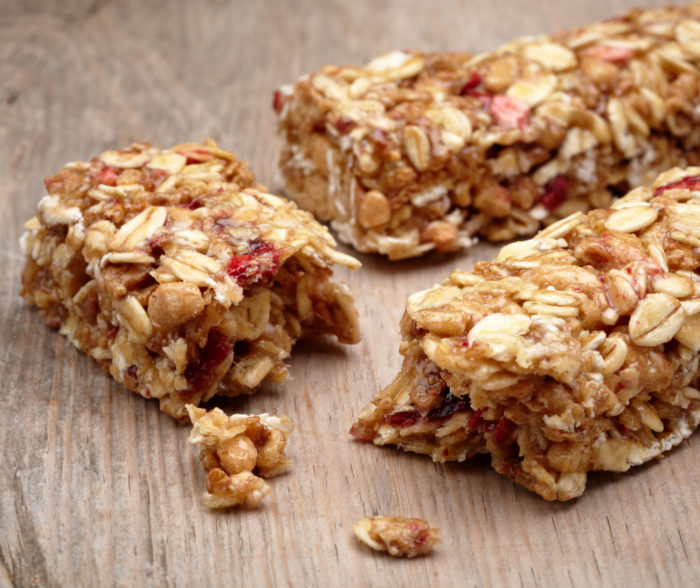
 Snack-maker Kind LLC has been hit with a class action lawsuit alleging the company misleads consumers about the ingredients in its products.
Lead plaintiff Cassandra Song claims in the Kind fruit bar class action lawsuit that the ingredient lists on various types of fruit bars and pieces falsely conveys to consumers that they are made from whole fruits.
Instead, alleges the plaintiff, the products are actually fruit derivatives.
“The Products falsely convey they are manufactured from start to finish and directly from whole fruit ingredients because they all use collective names to refer to their components,” the Kind snack bar class action lawsuit contends.
The Kind fruit bars class action lawsuit alleges the following Kind products are misleading labeled: Kind bars, including Mango Apple, Strawberry Apple, Pineapple Coconut, Cherry Apple, Apricot Pear, Pineapple Banana, and Kind pieces, including Cherry Apple, Cherry Strawberry Apple, and Mango Apple.
According to the Kind snack bars class action lawsuit, the fruit in these products are processed in ways consumers would not expect.
For example, alleges the Kind bars class action lawsuit, cherries and pineapple are put through “osmotic dehydration” where the fruit is soaked in a sugar solution to reduce water content for the drying process. This results in additional sugar, as well as other substances to be added to the fruit, including sucrose, glucose, maltose, maltitol, sorbitol and trehalose.
The Kind fruit bar class action lawsuit also claims that additional ingredients, such as ascorbic acid, are added to the products but are not included on the ingredient list.
Other food products, points out the Kind fruit bars class action lawsuit, are not labeled in the same misleading way. Using tomatoes and potatoes as an example, Song notes that products are correspondingly labeled if the whole foods used to make up these products are processed.
“For example, tomatoes are used in food in numerous forms – tomato paste, tomato puree, tomato jam, tomato sauce, tomato powder, diced tomatoes, etc.,” states the Kind fruit bar class action lawsuit. “The ingredient list on a bottle of tomato sauce declares ‘Tomato Puree (Water, Tomato Paste), Diced Tomatoes,’ as opposed to the solitary word ‘tomatoes.’”
This is not the first class action to hit the health food company over its ingredient lists. Another class action lawsuit is making its way through the courts alleging that Kind falsely labels its ingredients as “non-GMO,” when they actually contain genetically modified canola, corn and soy.
The Kind fruit bars class action lawsuit alleges that the company is attempting to profit off consumers’ desire to eat healthier.
However, Song says that she and other consumers would not have paid a premium for the Kind fruit products had they not been tricked by marketing that made it seem like they were made from whole fruit.
The Kind fruit bar class action lawsuit seeks to represent a nationwide Class of consumers who purchased the products, as well as a New York subclass.
Song is represented by Spencer Sheehan of Sheehan & Associates PC and Joshua Levin-Epstein of Levin-Epstein & Associates PC.
The Kind Snacks Fruit Bar Misleading Ingredients Class Action Lawsuit is Song v. Kind LLC, et al., Case No. 1:18-cv-04982, in U.S. District Court for the Eastern District of New York.
ATTORNEY ADVERTISING
Top Class Actions is a Proud Member of the American Bar Association
LEGAL INFORMATION IS NOT LEGAL ADVICE
Top Class Actions Legal Statement
©2008 – 2026 Top Class Actions® LLC
Various Trademarks held by their respective owners
This website is not intended for viewing or usage by European Union citizens.













439 thoughts onKind Snacks Class Action Says Fruit Bar Ingredient List is Deceptive
What address do you have on file to mail the receipts for Kind/ Top Class Action Lawsuit.
Please add me
Please add me.
Add me please
Add me please.
Add me
Add me to the list, please.