
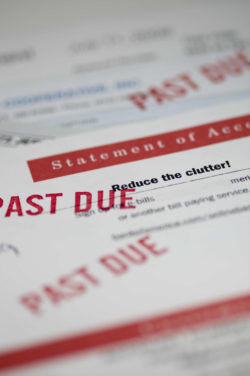
 An Indiana woman has filed a lawsuit, claiming a debt collector tried to collect a debt that had expired per the FDCPA statute of limitations.
Plaintiff Gloria V. of Indiana filed her complaint against First National Collection Bureau, Inc., alleging they violated the Fair Debt Collection Practices Act (FDCPA).
Gloria says she did a routine check of her credit reports when she noticed that First National Collection Bureau had accessed her credit record for an “account review” in February 2018. She called the collection agency in April to find out why they appeared in her credit report and what debt they were trying to collect from her.
First National Collection Bureau allegedly told Gloria they were trying to collect a debt of $151.74 that was originally owed to Verizon Wireless. The debt became delinquent in 2011. Gloria says the collection agency’s representative allegedly tried to collect payment of that debt, which had expired under the FDCPA statute of limitations.
According to the Indiana resident’s lawsuit, the FDCPA statute of limitations says, “An action upon promissory notes, bills of exchange, or other written contracts for the payment of money executed after August 31, 1982, must be commenced within six (6) years after the cause of action accrues.”
Because the original debt allegedly went delinquent in 2011, Gloria argues the debt was outside the FDCPA statute of limitations at the time she spoke to a First National Collection Bureau representative in April 2018.
Gloria alleges that at no point in the conversation did the collection agency’s representative disclose to her that by paying, agreeing to pay, or even acknowledging the debt was valid, that her actions could reset the statute of limitations and potentially expose Gloria to further legal liability.
Indiana Resident Questions FDCPA Statute of Limitations
After the phone conversation with the First National Collection Bureau representative, Gloria allegedly was “confused and concerned.”
She called her attorneys to find out what her rights were regarding the alleged old debt.
According to Gloria’s FDCPA statute of limitations lawsuit, she believes she can prove that First National Collection Bureau took actions that were willful and/or with knowledge that such actions were in violation of the FDCPA laws.
She alleges that the collection agency knew or should have known that the alleged debt was time-barred, but failed to tell that to Gloria. By omitting that information, First National Collection Bureau allegedly hoped to confuse and intimidate Gloria “in the hopes that she waived her rights and affirmative defenses under the law,” says the FDCPA statute of limitations lawsuit.
Gloria seeks actual damages, statutory damages, attorney’s fees and any other relief the court deems just and appropriate.
The FDCPA Statute of Limitations Lawsuit is Case No. 2:18-cv-00212-RL-JEM in the U.S. District Court for the Northern District of Indiana, Hammond Division.
Join a Free Unfair Collection Practices Class Action Lawsuit Investigation
If you’ve been hit with unfair debt collection practices, you may have a legal claim and could be owed compensation for violations of the Fair Debt Collection Practices Act (FDCPA).
DISCLAIMER: Debt collection itself is not illegal. However, debt collection firms collecting on consumer debts must adhere to the FDCPA. Even though debt attorneys are investigating these companies, their debt collection practices may be legal.
ATTORNEY ADVERTISING
Top Class Actions is a Proud Member of the American Bar Association
LEGAL INFORMATION IS NOT LEGAL ADVICE
Top Class Actions Legal Statement
©2008 – 2026 Top Class Actions® LLC
Various Trademarks held by their respective owners
This website is not intended for viewing or usage by European Union citizens.














3 thoughts onIndiana Woman Says Debt Collector Violated FDCPA Statute of Limitations
The the statue of limitations applies to reporting the debt to credit bureau agencies and purchase debt for being able to file a lawsuit within a four-year period. the debt has to be removed from my credit report after 7 years but it doesn’t mean that the consumer no longer owes the debt.
It does not mean the consumer no longer owes the debt, but it does mean that the collection agency can no longer take you to court to obtain a judgement. However, interacting with the collection agency regarding the debt (even answering the phone) can “reset” the 6-year clock. That’s why I refuse to identify myself until they tell me what company they represent when they call. If they can’t positively identify me, then they can’t prove they’ve made contact. I’ve had over 3 grand worth of debt scrubbed from my credit report by merely waiting and dodging.
I believe that consumer information, information that the average person might not be aware of their rights, under the law. Articles like, I consider a public service.