
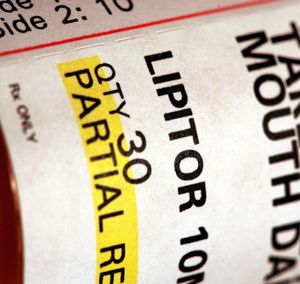
Illinois plaintiff Patricia R. is suing Pfizer Inc. for allegedly causing her to develop the incurable condition type-2 diabetes. Patricia claims that in direct result of being prescribed the defendant’s block-buster drug Lipitor, her life was permanently altered by this new and unwelcome condition.
The plaintiff was one of millions of Americans who suffered from high cholesterol, and was at risk for developing heart disease and other complications. As a preventative measure, her physician prescribed her Lipitor in April 1999 to prevent bad cholesterol levels from rising and to encourage the absorption of good cholesterol. When used properly, this would lower risk factors, allowing Patricia and others to live a longer, healthier life, with a more active lifestyle.
The Pfizer drug had provided this to her for some time, as Patricia had used the Lipitor for several years without complications. Unfortunately, her physician eventually diagnosed her with type-2 diabetes in March 2003, after she exhibited worrying symptoms. A year later, in June 2004, Patricia had been taken off Lipitor after she had been prescribed a series of other drugs to help manage her diabetic symptoms.
It is important to note that as a diabetes suffered, Patricia is now at a higher risk for heart disease than she was initially, and also runs the risk of blindness, neuropathy, and diabetic attacks.
Patricia is filing legal action against Pfizer for failing to warn her of the potential dangers attached to their drug. That Lipitor could potentially induce type-2 diabetes was not mentioned on the drug’s label when she was prescribed it. Pfizer had admitted that Lipitor could cause changes in blood-sugar levels in 2012, but did not mention that this could cause type-2 diabetes. Furthermore, the defendant did not notify the plaintiff or any other patients of this issue before the company’s announcement, leading the plaintiff to claim that Pfizer knew about this side effect long before their statement.
Patricia’s lawyers state that Pfizer had the civil responsibility of warning their client and other Lipitor patients of possible side effects associated with their drug, because consumers rely on the accuracy of the given information. Patricia insists that she never would have agreed to take Lipitor if she had known about the potential risk of type-2 diabetes.
So for being allegedly responsible for manufacturing, selling, distributing, and marketing a dangerous drug, Patricia is suing the drug manufacturer. The charges include negligence, false advertising, concealing information, and misrepresenting a product.
This Lipitor lawsuit is In re: Lipitor (Atorvastatin Calcium) Marketing, Sales Practices and Products Liability Litigation, MDL No. 2502, in the U.S. District of South Carolina, Charleston Division.
Overview of Lipitor Diabetes Association
Lipitor was approved in the 1990s, and was considered a medical innovation miracle at the time of its creation. Patients across the United States, by simply lowering their cholesterol levels, now had a simple and effective preventative measure against heart disease. Its popularity was almost instantaneous and Lipitor was declared the best-selling drug in pharmaceutical history soon after its release. Before the release of generic Lipitor, this drug garnered billions in profits for Pfizer; it continues to make millions every year despite competition from generic brands.
Experts explain that Lipitor’s success can be explained by the drug’s treatment mechanism, which revolves around signaling the body to categorize different sugars as either waste or energy. As mentioned before, Lipitor works by signaling the body not to absorb bad cholesterol and by encouraging the absorption of good cholesterol. However, it is this very mechanism that may be causing type-2 diabetes in patients; experts believe that Lipitor may be interfering with the body’s natural insulin production in the pancreas. As a result, the body’s blood-sugar levels naturally shift, which may cause the adverse reaction patients and doctors are so concerned with.
Even when Pfizer updated Lipitor’s label, they did not specifically mention or admit that Lipitor could cause type-2 diabetes. This has caused many to accuse the company of deliberately concealing this side effect in order to protect the drug’s market value. Currently, there are numerous lawsuits filed against Pfizer alleging Lipitor diabetes complications.
Do YOU have a legal claim? Fill out the form on this page now for a free, immediate, and confidential case evaluation. The Lipitor attorneys who work with Top Class Actions will contact you if you qualify to let you know if an individual lawsuit or Lipitor class action lawsuit is best for you. [In general, Lipitor lawsuits are filed individually by each plaintiff and are not class actions.] Hurry — statutes of limitations may apply.
ATTORNEY ADVERTISING
Top Class Actions is a Proud Member of the American Bar Association
LEGAL INFORMATION IS NOT LEGAL ADVICE
Top Class Actions Legal Statement
©2008 – 2026 Top Class Actions® LLC
Various Trademarks held by their respective owners
This website is not intended for viewing or usage by European Union citizens.
Get Help – It’s Free
Join a Free Lipitor Class Action Lawsuit Investigation
If you’re a woman who was diagnosed with type-2 diabetes while taking Lipitor, or were diagnosed with diabetes within 90 days or less of your last dose of Lipitor, you may be eligible for compensation. See if you qualify by filling out the short form below.
An attorney will contact you if you qualify to discuss the details of your potential case at no charge to you.
Oops! We could not locate your form.












One thought on Ill. Woman Sues Pfizer for Lipitor Diabetes