

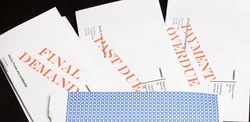
 An Ohio man and his son filed a lawsuit against Summit Receivables, alleging the debt collector used abusive debt collection practices that violated FDCPA rules.
The plaintiff, Stephen M., and his son, Kevin M., claim that Summit Receivables engaged in abusive debt collection tactics in an effort to collect an alleged debt from Stephen.
The abusive debt collection calls allegedly began around June 2017, and continued for months. But Summit didn’t stop with placing these calls only to Stephen, the plaintiffs claim. Instead, in August 2017, the company allegedly began targeting Stephen’s son, Kevin, who lived in New York, not with his father.
Kevin says he did not owe the debt that Summit was calling over, but the company continued to contact him anyway. Both Kevin and Stephen say they requested that Summit stop calling, but the calls kept coming.
The plaintiffs claim these abusive debt collection practices did not just violate FDCPA rules in terms of their persistence, but also in their tone and speech.
According to the lawsuit, Summit called Kevin, threatened to have both him and his father prosecuted, and referred to his father as a “deadbeat.” The company also demanded specific and immediate payments to be made via electronic wire transfer.
Stephen and Kevin filed their abusive debt collection lawsuit in the U.S. District Court for the Southern District of New York on Sept. 12, 2017.
Basics of New York FDCPA Rules
The Fair Debt Collection Practices Act (more simply known as FDCPA) is a set of debt collection regulations passed back in 1978 to protect consumers like Stephen and Kevin from abusive debt collection practices and harassment.
The FDCPA’s basic regulations include strict rules about when debt collectors can call consumers (only from 8:00 AM to 9:00 PM). The FDCPA also prohibits debt collectors like Summit Receivables from calling at work if a consumer objects, as well as threatening or harassing debtors.
Under the FDCPA, debt collectors cannot make demands or threats. Instead, they can only offer information to the consumer about their debt and how they can pay it.
New York debt collection rules are actually more in depth than the FDCPA itself. New York Governor Cuomo intensified the state’s debt collection regulations in 2015. According to these updated New York debt collection rules, debt collectors are now banned from using the following debt collection practices:
- Sending confusing letters
- Communicating with third parties about a debt
- Making threats
- Harassment
- Adding fees or collection charges to the debt
- Calling too often
- Calling at inconvenient times of day
- Collecting on old debts
- Making robocalls
Filing a New York FDCPA Abusive Debt Collection lawsuit
If you live in New York and a debt collection agency such as Summit Receivables has sent a debt collection letter or call that violates these FDCPA rules or otherwise used abusive debt collection practices, you may be able to file a FDCPA lawsuit.
The Abusive Debt Collection Lawsuit is Case No. 7:17-cv-06911-NSR, in the U.S. District Court for the Southern District of New York.
Join a Free New York Unfair Debt Collection Class Action Lawsuit Investigation
If you live in New York and a lender or debt collector engaged in unfair debt collection practices, you may have a legal claim and could be owed compensation for violations of the Fair Debt Collection Practices Act (FDCPA).
DISCLAIMER: Debt collection itself is not illegal. However, debt collection firms collecting on consumer debts must adhere to the FDCPA. Even though debt attorneys are investigating these companies, their debt collection practices may be legal.
ATTORNEY ADVERTISING
Top Class Actions is a Proud Member of the American Bar Association
LEGAL INFORMATION IS NOT LEGAL ADVICE
Top Class Actions Legal Statement
©2008 – 2026 Top Class Actions® LLC
Various Trademarks held by their respective owners
This website is not intended for viewing or usage by European Union citizens.













