Rare Disease Discovered by Avoiding SJS Side Effects in Zithromax User
By John Curran
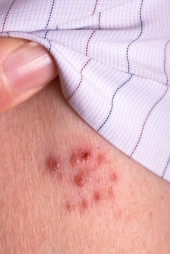 The use of antibiotics to treat a number of diseases is a fact of life, but had doctors forced one patient to face potential Zithromax Stevens Johnson Syndrome (SJS) side effects, a rare disease would have never been discovered. It’s like Lyme disease, but the difference matters. Even with the identification, though, antibiotics will still be necessary.
People who are at risk will likely forget the name “Borrelia miyamotoi,” but not the facts of the identified cases. One was diagnosed in rural New Jersey. The doctors forwent Z-Pak toxic epidermal necrolysis side effects and instead sent cultures for testing. The new disease is more easily treated than Lyme disease, and this can be important for many in the Northeast, where deer are prevalent.
Unlike some of the neurological symptoms present with Lyme, there was a generalized problem of lack of social interest and unwillingness to eat food. Doctors at Hunterdon Medical Center waited until the tests were confirmed. While the high dose of penicillin needed for the initial treatment may have subjected the woman to the inflammatory problem of Stevens Johnson Syndrome side effects, it is at least a targeted plan of treatment.
Too many doctors tend to guess and check with antibiotics, starting with a pack of some and then seeing if symptoms persist. The reason that Z-Pak toxic epidermal necrolysis side effects are so dangerous is that entire sections of skin fall off. It is difficult to treat, and there is little that can be done to prevent it. While Lyme disease and Borrelia miyamotoi are both treated with antibiotics, using the right course of treatment reduces the likelihood of dangerous side effects.
Considering that so many different medications can lead to Stevens Johnson Syndrome, the least that medical professionals can do is identify new diseases and come up with the right methods of treatment. Otherwise, not only is the condition not treated, but dangerous side effects will increase in likelihood.
Unfortunately, that does not always happen. People who developed either toxic epidermal necrolysis or Stevens Johnson Syndrome after using the antibiotic Zithromax have legal options. A free consultation to determine one’s eligibility is the first step in filing a claim to get some help. Learn more at the Zithromax Z-Pak Stevens Johnson (SJS) & Toxic Epidermal Necrolysis (TEN) Class Action Lawsuit Investigation. It costs nothing, but could make a difference for a victim and his or her family.
Updated January 28th, 2013
All medical device, dangerous drug and medical class action and lawsuit news updates are listed in the Drug and Medical Device section of Top Class Actions.
Top Class Actions Legal Statement

Suing for unpaid wages in California: Recover unpaid overtime, back pay and more
April 2, 2026 | Legal News