
Motrin Stevens Johnson Syndrome Lawsuits Prompt New Warning Label
By Andrea Gressman
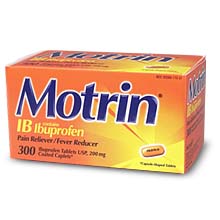 A number of Stevens Johnson Syndrome lawsuits have resulted because the patient took Motrin and subsequently developed this terrible disease. It has been the position of many of these SJS lawsuits that the manufacturers of Motrin did not do due diligence when it came to properly warning their medication users.
One reason that this Stevens Johnson Syndrome lawsuit argument is so prevalent is because the prescription version of Motrin, which first hit the market after its FDA approval in 1974, does included the side effect risk of possibly developing Stevens Johnson Syndrome (SJS) as well as the extreme version for SJS, Toxic Epidermal Necrolysis (TEN). However, the over-the-counter medication for both adults and children did not contain a warning for SJS or TEN until the later part of 2009, at the very earliest.
Johnson & Johnson, the pharmaceutical manufacturer ultimately responsible for making Motrin, has tried several different legal tactics to defend themselves against such allegations in these Stevens Johnson Syndrome lawsuits. However, in a number of SJS lawsuits these arguments have not been successful.
In one particular Motrin SJS lawsuit, Newman v. McNeil, No. 10-1541 ND Ill., Johnson & Johnson requested that the court provide a summary judgment regarding the two SJS lawsuit plaintiffs and the issue of whether or not Motrin caused the Stevens Johnson Syndrome lawsuit plaintiffs to develop the disease. If so, if the drug manufacturers were liable because of their failure to warn medication users. However, the defendants request for a summary judgment was denied on the grounds that the defendant could not comply with both the state and federal warning label requirements.
The two SJS lawsuit plaintiffs, Blane Newman and Mariam Khawam, reportedly used Motrin in the summer of 2009 and as a result they both developed SJS or TENS. These were just two of a total of 49 reports provided to the FDA regarding SJS/TEN and their connection to ibuprofen (Motrin), according to a February 3, 2012 report from Health Law Week from 1975 to 2005.
It was reported by the court in this Stevens Johnson Syndrome lawsuit that Johnson & Johnson actually received 117 SJS/TENS reports related to Motrin from June 2005, and that 87 of those reports were received before June of 2009. Prior to June 2009, there was no reference to Stevens Johnson Syndrome on any of the non-prescription labels.
Therefore, a number of Motrin users that later developed SJS, like 3-year-old Brianna Maya, would have had no warning of the potential risk of developing Stevens Johnson Syndrome. Brianna’s mother unknowingly used Children’s Motrin in the year 2000 to treat a fever, which tragically resulted in the little girl’s development of SJS. According to a news report on June 3, 2011 by ABC News, Brianna’s medical team determined that the little girl’s development of SJS was a direct result of using the Children’s Motrin.
It was also reported that in 2000 there was no direct mention of Stevens Johnson Syndrome side effects on the Children’s Motrin warning labels. It only referenced some of the symptoms of SJS/TEN, including facial swelling, hives, shock and asthma. In December of 2005 the FDA made the recommendation to add other symptoms of Stevens Johnson Syndrome to the warning label, including rash, skin reddening and blisters, but they did not require them to specifically mention SJS or TEN.
Both Children’s Motrin and the non-prescription Motrin warning labels now make reference to the potential risk of side effects of Stevens Johnson Syndrome (SJS). However, there were many Stevens Johnson Syndrome victims that were affected before the label was updated. As a result, there has been a number of Stevens Johnson Syndrome lawsuits filed because of the negative side effects that Motrin has caused. It is the claim of these SJS lawsuits that the manufacturers did not adequately warn the medication users of the side effect risk of Stevens Johnson Syndrome.
If you or a loved one has been diagnosed with SJS or TEN that you believe was caused by a prescription or OTC medication, visit the Stevens Johnson (SJS) & Toxic Epidermal Necrolysis (TEN) Class Action Lawsuit Investigation page right away to discuss the details of you case. You can receive a free consultation with a qualified the Stevens Johnson (SJS) & Toxic Epidermal Necrolysis (TEN) lawsuit attorney.
Updated November 20th, 2012
All medical device, dangerous drug and medical class action and lawsuit news updates are listed in the Drug and Medical Device section of Top Class Actions.
Top Class Actions Legal Statement

Suing for unpaid wages in California: Recover unpaid overtime, back pay and more
April 2, 2026 | Legal News









2 thoughts onMotrin Stevens Johnson Syndrome Lawsuits Prompt New Warning Label
Add Me
my kids have always taken for years