Endo Health Solutions Inc. has agreed to pay $54.5 million to settle thousands of vaginal mesh lawsuits pending against its American Medical Systems Inc. unit.
The Endo vaginal mesh settlement will cover a portion of approximately 5,000 lawsuits alleging that AMS vaginal mesh implants eroded in some women and left them severely damaged. The first trial in the AMS vaginal mesh MDL is set for December 2013.
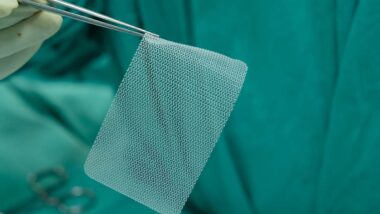
The AMS vaginal mesh products being targeted in the MDL are the Perigee, Apogee and Elevate implants. Each of these products were designed to treat pelvic organ prolapse and urinary incontinence. Endo, along with three other companies, are facing a total of 29,000 lawsuits by women who claim their vaginal implants injured them. These cases are being presided over by U.S. District Judge Joseph Goodwin in Charleston, West Virginia.
Vaginal Mesh Settlements Grow
The Endo/AMS settlement marks the latest to be reached in thousands of lawsuits filed against vaginal mesh implant companies.
Last year, a California jury found C.R. Bard liable for $3.6 million in damages for injuries a woman suffered from its Avaulta Plus vaginal implant. It was the first case over a C.R. Bard vaginal mesh implant to go to trial.
Another trial in New Jersey decided that Johnson & Johnson and its Ethicon unit must pay over $11 million in damages, including more than $3.3 million in punitive damages, to a woman who blamed the company’s Gynecare Prolift implant for her injuries.
FDA Orders Better Testing
Last year, the FDA last ordered 31 vaginal mesh manufacturers, including Endo, to study rates of organ damage and complications linked to their vaginal mesh implants. The companies are now required to conduct three years of safety studies and submit their results to the FDA.
With more than 75,000 women getting vaginal mesh implants for their organ prolapses in 2010, more than 10% of them resulted in failure. Some medical experts even go as far to say that complications from vaginal mesh may be inevitable, stating that if complications do not occur immediately, they could easily occur only after a few years.
Vaginal Mesh Implant History
Introduced in the 1990s, vaginal mesh products were intended to permanently fix pelvic organ prolapse (POP) and stress urinary incontinence (SUI) conditions that typically occurred older women after a hysterectomy or menopause, or younger women who had suffered a rough child birth.
POP happens when a woman’s pelvic muscles weaken and the pelvic organs — the bladder, rectum and uterus — drop into the vagina. SUI is typically onset by everyday activities that place extreme pressure on the bladder.
In 2008, the FDA issued a public warning regarding the serious complications reported by vaginal mesh patients, but originally said they were rare. Three years later, in 2011, the FDA revised its previous statement, saying that the complications were not rare, and ordered mesh manufacturers to conduct post-market safety studies as mentioned earlier.
Supposedly, a lot of the vaginal mesh products arose from the FDA’s original approval system, called the 510(k). This system does not require companies to test their products before their release to market, as long as the product in question is similar in quality to an already market-approved product.
Many women have had to undergo multiple revision surgeries, surgical removal of mesh products, pain, suffering, and other complications. Many women have opted to seek emotional, medical, and punitive damages for their suffering.
If you believe that you or a loved one has been the victim of a vaginal mesh injury, you have legal options. Please visit the Vaginal Mesh Sling Class Action Lawsuit Investigation. There, you can submit your claim for a free legal review and if it qualifies for legal action, a skilled vaginal mesh lawyer will contact you for a free, no-obligation consultation. You will be guided through the litigation process at no out-of-pocket expenses or hidden fees. The vaginal mesh attorneys working this investigation do not get paid until you do.

Roundup cancer lawsuits: Updates, settlements and eligibility
April 10, 2026 | Roundup Class Action Investigations