
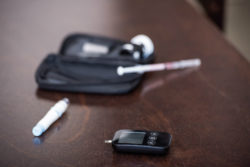
 Although diabetes medicine may be a necessary and life-saving medication for many patients living with the condition, these medications may also result in dangerous side effects, including kidney injuries and amputations.
Earlier this year, the U.S. Food and Drug Administration announced that the drug canagliflozin, known by the brand names Invokana and Invokamet, would be required to carry stronger warning labels, due to the possible link between the drug and an increased risk of amputation.
Canagliflozin treats diabetes by stimulating the kidneys to remove sugar from the body through the urine. This reduces the high blood sugar levels that are caused by diabetes.
On May 16, 2019, the FDA announced that Invokana and Invokamet would be required to carry a black box warning on the medication’s label due to the drug’s possible side effects. A black box warning is the strongest warning the FDA issues.
The FDA decision was announced as an update to a previous safety alert regarding the drugs. In 2016, the FDA posted a warning after a trial called CANVAS, or Canagliflozin Cardiovascular Assessment Study, determined that there was a higher rate of amputations among people who took the medication than those who didn’t. According to the CANVAS study, the risk of amputation was approximately doubled in people who took canagliflozin.
The FDA says amputations related to Invokana or Invokamet generally involve the toe and middle of the foot, although the entire foot may need to be amputated in some cases.
Who May Be at Risk of Amputation?
Although researchers have not yet determined why Invokana has been linked with amputation, certain people appear to be more at risk for this possible side effect. Patients who have already undergone an amputation may be more at risk of experiencing another one while taking Invokana or Invokamet. Patients who have nerve problems, peripheral vascular disease, or foot ulcers may also be at a higher risk for toe or foot amputations.
Can Invokana or Invokamet Increase the Risk of Ketoacidosis?
The FDA released a warning in 2015 that Invokana, Invokamet and other drugs in the SGLT2-inhibitor class may cause double the risk of ketoacidosis when compared to other diabetic medicine.
When the body produces high levels of blood acids (ketones), the onset of ketoacidosis can become life-threatening very quickly. Ketones may collect in the body because insulin levels go too low or if someone fasts for a prolonged period of time.
Affected patients may notice trouble breathing, nausea, vomiting, abdominal pain, confusion, unusual fatigue or sleepiness. Immediate medical care is necessary, according to the FDA.
The ketoacidosis warning was added because the FDA’s Adverse Event Reporting System database found 20 cases of diabetic ketoacidosis in patients who had been prescribed SGLT2 inhibitors from March 2013 to June 6, 2014. Each patient had to either visit an emergency room or became hospitalized to treat the ketoacidosis.
In addition to Invokana and Invokamet, the warning mentioned empagliflozin (Jardiance) and dapagliflozin (Farziga) were other SGLT2 inhibitors that were linked with the increased risk of ketoacidosis.
Why these medications would cause an increased risk of ketoacidosis may echo the theory as to why they may cause an increased risk of amputations. A dehydrated body with thicker blood could lend itself to such chemical imbalances.
A patient who is dehydrated and experiences ketoacidosis is more apt to slip into a diabetic coma without immediate medical intervention.
What Other Side Effects Are Associated with Diabetes Medicine?
In addition to the risk of amputation, diabetes medicines including Invokana or Invokamet may result in additional side effects. Other side effects associated with Invokana and Invokamet include kidney injuries, urinary tract infections, bone fractures, hypersensitivity skin reactions, yeast infections, nausea, fatigue, weakness, and increased urination. Patients who take Invokana or Invokamet may want to monitor their legs and feet for any new infections, pain, tenderness, sores, or ulcers, which may be warning signs of serious side effects.
Patients who have required an amputation of their toes or foot after taking Invokana or Invokamet may be eligible to hire a qualified attorney and file a class action lawsuit against the diabetes medicine manufacturer. Victims who file lawsuits may be able to collect compensation for medical expenses, medical care, pain and suffering, injuries, loss of income or earning capacity, and other costs associated with the drug’s side effects.
Contact an experienced Invokana attorney today to discuss your legal options if you or a loved one had to undergo a lower limb amputation after taking Invokana, Invokamet or Invokamet XR, including a toe amputation, foot amputation, knee amputation or leg amputation. Fill out the form on this page to obtain a FREE case evaluation with an Invokana amputation attorney.
ATTORNEY ADVERTISING
Top Class Actions is a Proud Member of the American Bar Association
LEGAL INFORMATION IS NOT LEGAL ADVICE
Top Class Actions Legal Statement
©2008 – 2026 Top Class Actions® LLC
Various Trademarks held by their respective owners
This website is not intended for viewing or usage by European Union citizens.
Get Help – It’s Free
Join a Free Invokana Class Action Lawsuit Investigation
If you qualify, an attorney will contact you to discuss the details of your potential case at no charge to you.
Please Note: If you want to participate in this investigation, it is imperative that you reply to the law firm if they call or email you. Failing to do so may result in you not getting signed up as a client or getting you dropped as a client.
E-mail any problems with this form to:
[email protected].
Oops! We could not locate your form.









One thought on What Diabetic Medicine Causes Amputation?