
 The FDA recently announced that fluoroquinolone antibiotics have been linked to events such as aortic aneurysm and aortic rupture.
“A U.S. Food and Drug Administration (FDA) review found that fluoroquinolone antibiotics can increase the occurrence of rare but serious events of ruptures or tears in the main artery of the body, called the aorta,” the agency reported in their recent announcement. “These tears, called aortic dissections, or ruptures of an aortic aneurysm can lead to dangerous bleeding or even death.”
Fluoroquinolones are antibiotic drugs which are commonly used to treat bacterial infections including bacterial bronchitis, pneumonia, sinusitis, septicemia and intra-abdominal infections, joint and bone infections, soft tissue and skin infections, typhoid fever, bacterial gastroenteritis, urethral and gynecological infections, and pelvic inflammatory disease.
The antibiotic drugs have been used for over 30 years and work to kill or stop the growth of bacteria which cause illnesses. Over 20 million prescriptions are written every year for fluoroquinolones such as Avelox (moxifloxacin), Cipro (ciprofloxacin), Factive (gemifloxacin), Floxin (ofloxacin), Levaquin (levofloxacin), and Noroxin (norfloxacin).
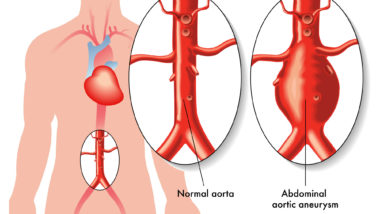
However, the FDA says that the use of these drugs may increase the risks for complications associated with the aorta, the largest blood vessel in the body. Aortic aneurysms occur when a weakness in the aorta results in a bulge. If not treated, the bulge can tear through all of the layers of the aortic wall and result in an aortic rupture.
An aortic rupture can restrict blood flow to major organs, leading to further complications including heart attack, stroke, paralysis, kidney failure, and more. Aortic rupture events are often fatal and require prompt medical attention. These events are especially deadly because symptoms usually do not show up until an aortic aneurysm becomes large or leads to aortic rupture.
A review of cases reported to the FDA’s Adverse Event Reporting System and four observational studies supported the link between aortic rupture and fluoroquinolone usage. According to the FDA, “the results of all four studies provide consistent evidence of an association between fluoroquinolone use and aortic aneurysm or dissection“.
The recent warning is a change on the FDA’s former stance on the issue. In May 2017, the agency announced that it could not find solid evidence to support the link between fluoroquinolone usage and events such as aortic aneurysm and aortic rupture.
Following the FDA’s announcement, manufacturers of Avelox and other fluoroquinolone antibiotics will be required to include new warnings for aortic aneurysm and aortic rupture. These warnings will join other warnings for the drug class, including those for mental health issues, low blood sugar reactions, and musculoskeletal effects including peripheral neuropathy.
The FDA warns that individuals should not be prescribed fluoroquinolone antibiotics such as Avelox if they have an aortic aneurysm or have conditions which increase the risk for aortic aneurysm and aortic rupture. Conditions which may increase risks include peripheral atherosclerotic vascular diseases, hypertension, and certain genetic conditions such as Marfan syndrome and Ehlers-Danlos syndrome.
Patients have been directed by the FDA to seek prompt medical attention if they experience “sudden, severe, and constant pain in the stomach, chest or back”. This sudden onset of pain may indicate an aortic rupture.
Join a Fluoroquinolone Aortic Aneurysm, Aortic Dissection Lawsuit Investigation
If you or a loved one were prescribed Fluoroquinolones such as Cipro, Levaquin or Avelox and were later diagnosed with an aortic dissection or aortic aneurysm, you may have a legal claim. Fill out the form on this page now for a FREE case evaluation or call 1-(855)-JONES-LAW (1-855-566-3752).
ATTORNEY ADVERTISING
Top Class Actions is a Proud Member of the American Bar Association
LEGAL INFORMATION IS NOT LEGAL ADVICE
Top Class Actions Legal Statement
©2008 – 2026 Top Class Actions® LLC
Various Trademarks held by their respective owners
This website is not intended for viewing or usage by European Union citizens.
Get Help – It’s Free
Join a Fluoroquinolone Aortic Aneurysm, Aortic Dissection Lawsuit Investigation
If you qualify, an attorney will contact you to discuss the details of your potential case at no charge to you.
PLEASE NOTE: If you want to participate in this investigation, it is imperative that you reply to the law firm if they call or email you. Failing to do so may result in you not getting signed up as a client or getting you dropped as a client.
E-mail any problems with this form to:
[email protected].
Oops! We could not locate your form.









One thought on FDA Warns of Link Between Antibiotics and Aortic Rupture