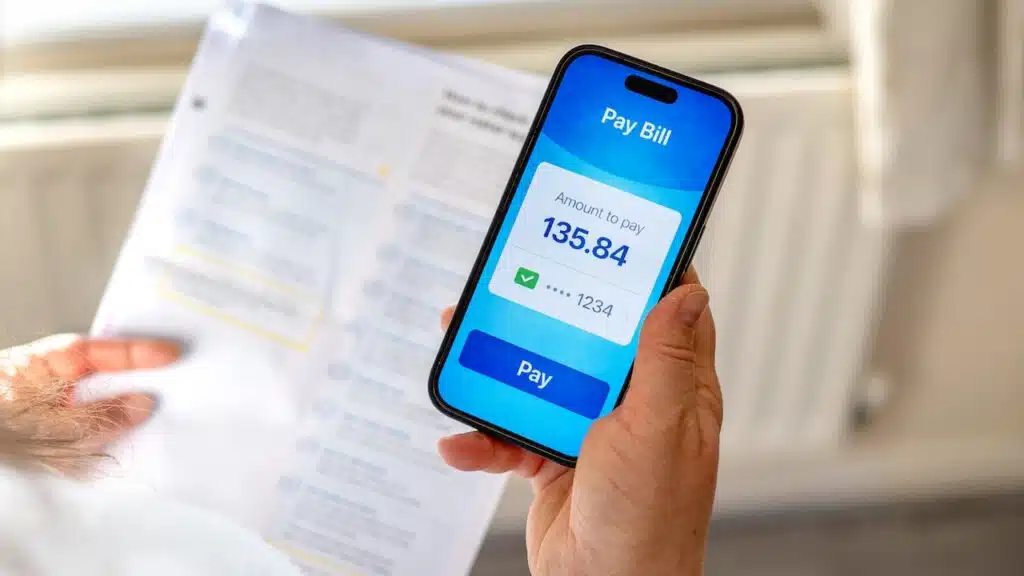
 Many banks use overdraft fees as a method of collecting funds when a person’s form of payment bounces. Overdraft fees enable the initial charge to go through the bank, but a one-time fee is then charged to the banking customer.
Unfortunately, a growing number of consumers allege that these predatory charges for overdraft are targeting consumers unfairly. Bank fees have been on the rise in recent years. CNBC reports that at some big regional banks, fees such as charges for overdraft or insufficient funds fees accounted for nearly 40 percent of the institution’s revenue in one year.
If a consumer is not monitoring their account closely, overdraft fees can rack up, which is a big problem for a lower-income banking customer who then falls behind again and again. Since the banks can charge an overdraft for each item that takes the account into the negative, swiping a debit card multiple times, even for smaller items, could add fees of $25-35 for every single transaction.
Overdraft Fee Charges
More banks are using tactics such as requiring that an account owner maintain a minimum balance in order to avoid having to pay monthly fees for maintenance. This is a challenge for moderate and low income Americans who have difficulty keeping that minimum amount inside their bank.
This becomes especially problematic when banks charge multiple overdraft fees by reordering the time period for transactions coming through the account.
The Federal Deposit Insurance Corporation says that banks with more than $1 billion in assets collected over $11.45 billion in non-sufficient funds and overdraft fees in 2017 alone.
Not being aware of the banking institutions’ overdraft practices can cost a consumer significantly as these fees can run into the hundreds if a person is not keeping a close eye on their banking account. Many consumers today are getting savvy with mobile banking, which some believe has caused banks to engage in unfair fee-charging practices.
Many consumers find themselves in a revolving cycle of trying to get their bank account back to zero or to the minimum amount required. Plenty of consumers, according to Nerd Wallet, have significant misconceptions about how overdraft coverage on checking accounts works. Up to two-thirds of Americans, for example, don’t even know that overdraft coverage is optional for ATM and one-time debit card transactions.
The bank must present this to you as an option and you must positively opt into it in order to take advantage of the overdraft coverage for ATM and debit card coverage. If you opt out of having charges for overdraft, the bank will simply decline the transaction at the point of sale and no charges will be added to your account.
By opting into overdraft coverage, the eight million individuals who overdraw their accounts frequently could end up paying more than $3.5 billion more in fees over the course of one year than if they chose not to keep overdraft coverage. Legislation has been proposed to protect consumers from these fees.
More consumers are arguing in complaints and lawsuits that these banking institutions are doing things such as reordering transactions to maximize the amount of money that the bank collects on a single charge that bounced the account. Dozens of financial institutions, including credit unions, are suspected of this questionable practice.
If you were charged unfair overdraft fees by your bank or credit union, you could be eligible to participate in a FREE class action lawsuit investigation. If you qualify, an attorney will contact you to discuss the details of your potential case at no charge to you.
Fill out the form on this page now for a free, immediate, and confidential case evaluation.
ATTORNEY ADVERTISING
Top Class Actions is a Proud Member of the American Bar Association
LEGAL INFORMATION IS NOT LEGAL ADVICE
Top Class Actions Legal Statement
©2008 – 2026 Top Class Actions® LLC
Various Trademarks held by their respective owners
This website is not intended for viewing or usage by European Union citizens.
Get Help – It’s Free
Join a Free Bank Overdraft Fee Class Action Lawsuit Investigation
If your bank and credit union has engaged in deceptive overdraft fee practices, you may have a legal claim. Fill out the form on this page now to find out if you qualify!
An attorney will contact you if you qualify to discuss the details of your potential case.
PLEASE NOTE: If you want to participate in this investigation, it is imperative that you reply to the law firm if they call or email you. Failing to do so may result in you not getting signed up as a client or getting you dropped as a client.
In order to properly investigate overdraft fee claims, you may be required to disclose bank statements to overdraft fee attorneys. Please note that any such information will be kept private and confidential.