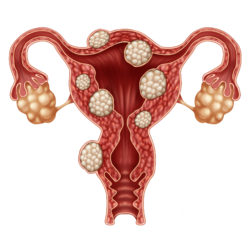
 With recent advances in technology, more and more options for less invasive procedures are available when surgery is needed.
When given the choice between a less invasive surgery with smaller scars, less recovery time and an overall simpler procedure, women and doctors alike may opt for a minimally invasive surgery over a traditional surgery for gynecological issues.
Two common gynecology surgeries are hysterectomy and uterine fibroid removal, known as myomectomy.
Both of these surgeries can be performed in a minimally invasive manner and can potentially reduce recovery times in patients.
However, a potential side effect is cancer caused by a power morcellator surgery.
What is a Power Morcellator?
A power morcellator is a medical device that has rotating blades. After small incisions are made into a woman’s body for a hysterectomy surgery or uterine fibroid removal surgery, the power morcellator device is inserted into the small surgical opening.
The rotating blades can then break up the tissue which is later removed through the tiny incisions.
Cancer Caused by a Power Morcellator
Much to their surprise and the surprise of their families, some women who underwent minimally invasive surgery using power morcellation were soon diagnosed with an advanced stage uterine cancer.
In these surgeries, women had latent cancer cells in the tissue that were disturbed by the power morcellator. The power morcellation device disturbed these cancerous cells and disseminated them throughout the entire uterine cavity.
These cancerous cells, now present in multiple locations, began to quickly replicate and caused the previously latent cancer to quickly upstage.
Uterine cancer that is diagnosed at an advanced stage in general is a very difficult cancer to treat. While the outcome of treatment for uterine cancer in early stages is better, as with other cancers, treatment outcomes of advanced stage uterine cancer is poor.
The FDA is aware of this concern and has issued a warning that as many as one in 350 women may have undetected uterine cancer that may be disturbed by the use of a power morcellator, triggering the spread of cancer.
This warning was included as a “black box warning” on the labels of power morcellator devices and has been in place since 2014.
Some manufacturers of power morcellators voluntarily pulled their devices from the market. Many hospitals halted the use of these of patients being diagnosed with cancer after their surgery.
Currently, less women are having surgery performed with power morcellator devices and there is a return to performing hysterectomies and uterine fibroid removal using traditional surgery techniques.
Filing a Lawsuit over Cancer Caused by a Power Morcellator
If you underwent minimally invasive surgery and were diagnosed with cancer caused by a power morcellator used during your procedure, you may be eligible to file a lawsuit to recover damages.
Plaintiffs who file lawsuits against manufacturers of medical devices may be entitled to receive damages related to medical costs, physical and emotional pain and suffering, loss of spousal companionship and more.
An attorney can review your case of cancer caused by a power morcellator for free and can help you determine if you are eligible to take legal action against the product manufacturer.
Do YOU have a legal claim? Fill out the form on this page now for a free, immediate, and confidential case evaluation. The morcellation cancer attorneys who work with Top Class Actions will contact you if you qualify to let you know if an individual lawsuit or class action lawsuit is best for you. [In general, morcellator cancer lawsuits are filed individually by each plaintiff and are not class actions.] Hurry — statutes of limitations may apply.
ATTORNEY ADVERTISING
Top Class Actions is a Proud Member of the American Bar Association
LEGAL INFORMATION IS NOT LEGAL ADVICE
Top Class Actions Legal Statement
©2008 – 2026 Top Class Actions® LLC
Various Trademarks held by their respective owners
This website is not intended for viewing or usage by European Union citizens.
Get Help – It’s Free
Join a Free Morcellation Cancer Class Action Lawsuit Investigation
If you or a loved one were diagnosed with cancer in the uterus, pelvis or abdomen within two years of undergoing surgery for a myomectomy (removal of fibroids), hysterectomy (removal of the uterus), oophorectomy (removal of the ovaries), or salpingectomy (removal of fallopian tubes), you may have a legal claim. See if you qualify by filling out the short form below.
An attorney will contact you if you qualify to discuss the details of your potential case at no charge to you.
Please Note: If you want to participate in this investigation, it is imperative that you reply to the law firm if they call or email you. Failing to do so may result in you not getting signed up as a client, if you qualify, or getting you dropped as a client.
Oops! We could not locate your form.