
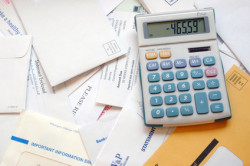
 Under the New York Fair Debt Collection Practices Act, New Yorkers who have received aggressive calls and letters from debt collectors may be entitled to compensation.
Millions of New Yorkers have been the victims of unethical and abusive debt collecting practices. These individuals do not always realize they have legal rights against such practices and can pursue compensation under the New York Fair Debt Collection Practices Act.
New York’s law expands on the protections already established by the federal Fair Debt Collections Practices Act (FDCPA), originally passed by Congress in 1978. The federal law was passed to combat unfair debt collection practices used by debt collectors.
FDCPA has established rules for third-party debt collectors which help protect consumers from aggressive and abusive practices. Under the FDCPA, consumers who file a successful FDCPA lawsuit may be able to receive up to $1,000 in statutory damages.
The FDCPA prohibits the following:
- Debt Collection Harassment: Contacting customers who have notified them to stop; calling repeatedly or outside of the hours 8:00 am to 9:00 pm.
- False Statements and Deceptive Practices: Using deception, misrepresentation or lies to collect on a debt.
- Collection of Debts Not Owed: Collecting on debt that was already settled or was discharged in bankruptcy; collecting on a debt that was never owed (in the case of identity theft).
- Collection of Old Debts: Collecting on a debt or threatening suit on debts that have been in default for more than four years.
- Making Improper Reports to Credit Agencies: Posting debts to credit reporting agencies that they cannot collect on (post-foreclosure deficiencies, etc.).
- Failure to Cease Communication on Request: Continuing to contact or harass customers who have told them orally or in writing to cease communication.
- Improper Communication with Third Parties: Contacting family members, employers or neighbors to collect on a debt.
In addition to federal law, some states have individual debt collection laws that apply only to that state.
The New York Fair Debt Collection Practices Act was expanded upon in early 2015 by New York Governor Andrew Cuomo and the New York Department of Financial Services. Similar to the FDCPA, the focus of the regulations is statute of limitation disclosures, general collection, debt validation requirements and email communications.
The New York Fair Debt Collection Practices Act specifically prohibits debt collectors from sending confusing letters, communicating with third parties about consumer debt, making threats, harassing consumers, adding fees and collection charges to consumer debt, calling too often, calling at inconvenient times in the day, making robocalls and collecting on old debts.
In today’s economy, debt collectors are notoriously aggressive in their communications with consumers. An increasing number of debt collectors are using illegal practices in their work for major banks, credit card companies, student loan companies and even debt buyers. Many consumers find themselves harassed by debt collectors in a way that interferes with their life.
If you or a loved one live in New York and are the victim of unethical and abusive debt collection practices, you may be entitled to compensation under the New York Fair Debt Collection Practices Act. A lawsuit could help recover statutory damages, emotional damages and more.
Join a Free New York Unfair Debt Collection Class Action Lawsuit Investigation
If you live in New York and a lender or debt collector engaged in unfair debt collection practices, you may have a legal claim and could be owed compensation for violations of the Fair Debt Collection Practices Act (FDCPA).
DISCLAIMER: Debt collection itself is not illegal. However, debt collection firms collecting on consumer debts must adhere to the FDCPA. Even though debt attorneys are investigating these companies, their debt collection practices may be legal.
ATTORNEY ADVERTISING
Top Class Actions is a Proud Member of the American Bar Association
LEGAL INFORMATION IS NOT LEGAL ADVICE
Top Class Actions Legal Statement
©2008 – 2026 Top Class Actions® LLC
Various Trademarks held by their respective owners
This website is not intended for viewing or usage by European Union citizens.









3 thoughts onUnderstanding The New York Fair Debt Collection Practices Act
I got sued by absolute resolutions investment..any idea what should I do?
I want to know who I can file a grievance with about Mariner Finance?