
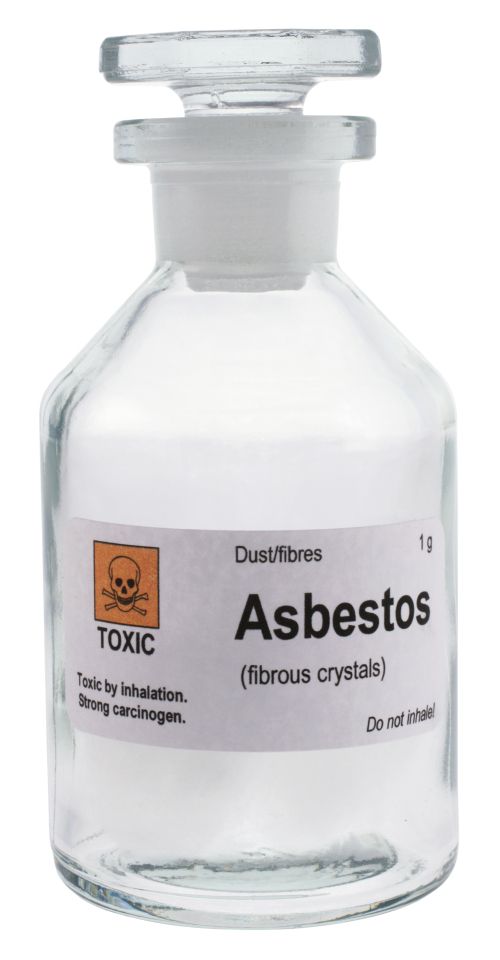
 Most people think mesothelioma is a type of lung cancer. It’s not. Instead, mesothelioma forms in the lining of the rib cage. But despite these differences, the two types of cancer do have one major feature in common: both are connected to asbestos exposure.
Cancer, also called a neoplasm, causes cells in the body lose the ability to regulate their growth. This causes the cells to grow uncontrollably, spreading throughout the body. This can harm a patient in one of two ways. First, cancer cells usually reproduce more quickly than normal cells, allowing them to compete more strongly with them for nutrients and resources. Additionally, the cancer cells’ growth can physically intrude on other tissues, impairing their function. When cancer cells are able to spread though the body, either through blood vessels or the channels of the lymphatic system, it is said to be metastatic.
Many questions remain about cancer. One of the major frontiers of modern medicine is a greater understanding of how the disease works. Any number of very specific chemical pathways can go wrong, creating cancers of different characteristics. One of the big questions is what triggers cancer. In some ways, this is one of the easier cancer mysteries. Researchers can expose cell cultures in a Petri dish, perform animal trials, and examine human populations to look for risk factors. One of the classic risk factors for cancer is asbestos.
Asbestos forms within the earth as a silicate mineral. Since antiquity, humans have mined the mineral and used it for its unique properties. The silicate fibers of the mineral have such a high melting point that they are functionally fireproof. Additionally, the mineral is an exceptional insulator. These properties led to widespread use of the mineral from the Industrial Revolution onward. However, it was quickly discovered that asbestos fibers made a person much more likely to suffer from a number of diseases, including lung cancer and mesothelioma.
Cancers are very difficult diseases to treat. Medical treatments have to find ways to attack a disease that does not harm the patient. To do this, medicine has to find ways that a disease is different than its host. For example, some antibiotics target cell walls, a feature bacteria have but human cells lack. But with cancer, medical researchers face a quandary. Cancer cells are rogue human cells. Despite their deadly nature, they aren’t that different from healthy cells. Because of this, cancer treatments often damage healthy cells, making treatments like chemotherapy and radiation taxing. In many cases, physicians cannot adequately treat cancer cells, and the disease often claims patients’ lives.
In general, asbestos mesothelioma lawsuits are filed individually by each plaintiff and are not class actions.
Do YOU have a legal claim? Fill out the form on this page now for a free, immediate, and confidential case evaluation. The attorneys who work with Top Class Actions will contact you if you qualify to let you know if an individual lawsuit or class action lawsuit is best for you. Hurry — statutes of limitations may apply.
ATTORNEY ADVERTISING
Top Class Actions is a Proud Member of the American Bar Association
LEGAL INFORMATION IS NOT LEGAL ADVICE
Top Class Actions Legal Statement
©2008 – 2026 Top Class Actions® LLC
Various Trademarks held by their respective owners
This website is not intended for viewing or usage by European Union citizens.
Get Help – It’s Free
Join a Free Mesothelioma Asbestos Class Action Lawsuit Investigation
If you or a loved one were exposed to asbestos and developed mesothelioma, lung cancer, or cancer in the lining of the lungs, abdomen or chest cavity, you may be able to take legal action against the companies responsible. Don’t delay – in most states the statute of limitations is two years to file an asbestos lawsuit after you’re diagnosed. Obtain a free and confidential case evaluation be filling out the form below.
An attorney will contact you if you qualify to discuss the details of your potential case at no charge to you.











2 thoughts onMesothelioma, Cancer and Asbestos