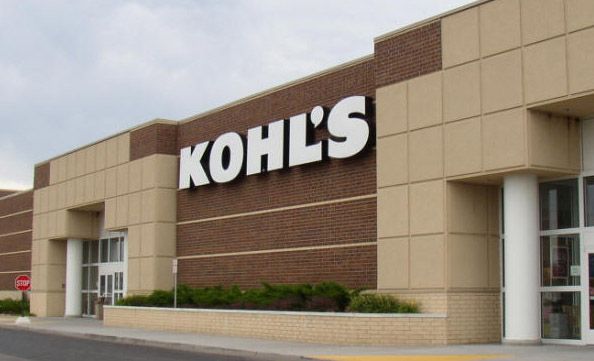
 A Telephone Consumer Protection Act lawsuit was recently brought against Kohl’s Department Stores and various unknown debt collectors employed by Kohl’s. Christopher K., a resident of Ankeny, Iowa, filed the TCPA lawsuit in the Eastern District of Milwaukee.
According to the TCPA lawsuit, Christopher began receiving calls from Kohl’s on his cellular phone back in March 2014. Kohl’s was allegedly attempting to collect a consumer debt from someone other than Christopher. The calls made to Christopher’s phone were allegedly prerecorded messages made by an automatic telephone dialing system, a TCPA violation.
In an attempt to stop the harassing phone calls, Christopher spoke with a Kohl’s representative. He explained to the Kohl’s employee that he had never had an account with Kohl’s. Christopher informed Kohl’s that he was being called in error and asked that his number be removed from the account. Unfortunately, this did not stop the unwanted cell phone calls to Christopher’s cell phone, according to the TCPA lawsuit. Christopher claims that he never provided Kohl’s with his telephone number and he did not consent to being contacted by the department store or its agents.
The Telephone Consumer Protection Act
The Telephone Consumer Protection Act (TCPA), 47 U.S.C. § 227, prohibits companies like Kohl’s from making calls to a consumer’s cell phone without the consumer’s express consent unless those calls are made for emergency purposes. The majority of these unwanted cell phone calls are made in attempts to collect debts from consumers, either by the company directly or by hired debt collectors.
Continued cell phone harassment has led many consumers to file TCPA lawsuits against companies, like Kohl’s, responsible for the calls. Violating the Telephone Consumer Protection Act is a serious matter that can cost companies substantial fines. Under the TCPA, companies can be forced to pay $500 for each call that negligently made contact and $1,500 for every time a company intentionally calls a consumer without the consumer’s express consent.
TCPA Violations
There are multiple ways companies can violate the TCPA. Aside from automated calls without consumer consent, companies cannot record phone calls with consumers without giving advanced warning, nor can companies send text spam without consumer consent. Text spam is not only annoying to consumers but also costs consumers money, since normal messaging rates usually apply to these unwanted messages.
Over the last few years, millions of dollars have been awarded to consumers who have filed lawsuits under the Telephone Consumer Protection Act. These TCPA lawsuits have been brought against numerous companies such as Kohl’s. TCPA lawsuits like Christopher’s can help stop consumer harassment, and may allow the victims of these companies to receive a significant settlement.
This TCPA Lawsuit is Case No. 2:15-cv-60, in the U.S. District Court for the Eastern District of Wisconsin, Milwaukee Division.
Join a Free TCPA Class Action Lawsuit Investigation
If you were contacted on your cell phone by a company via an unsolicited text message (text spam) or prerecorded voice message (robocall), you may be eligible for compensation under the Telephone Consumer Protection Act.
ATTORNEY ADVERTISING
Top Class Actions is a Proud Member of the American Bar Association
LEGAL INFORMATION IS NOT LEGAL ADVICE
Top Class Actions Legal Statement
©2008 – 2026 Top Class Actions® LLC
Various Trademarks held by their respective owners
This website is not intended for viewing or usage by European Union citizens.