 A TCPA class action lawsuit was filed against American Eagle Outfitters (American Eagle) accusing the clothing store of sending multiple unsolicited text messages to consumers. Sending text message spam, even when requested to stop, has been proven to be a serious violation of TCPA regulations in many previous text spam lawsuits.
Named plaintiff Christopher L. filed the Telephone Consumer Protection Act class action lawsuit after continuing to receive unsolicited text messages from American Eagle. American Eagle allegedly continued to send Christopher text message spam long after he had replied “stop” to the slew of text messages.
Not only did these unsolicited text messages cause annoyance and aggravation for Christopher and other prospective Class Members, but “consumers frequently have to pay their cell phone service providers for the receipt of such spam,” according to the TCPA class action lawsuit.
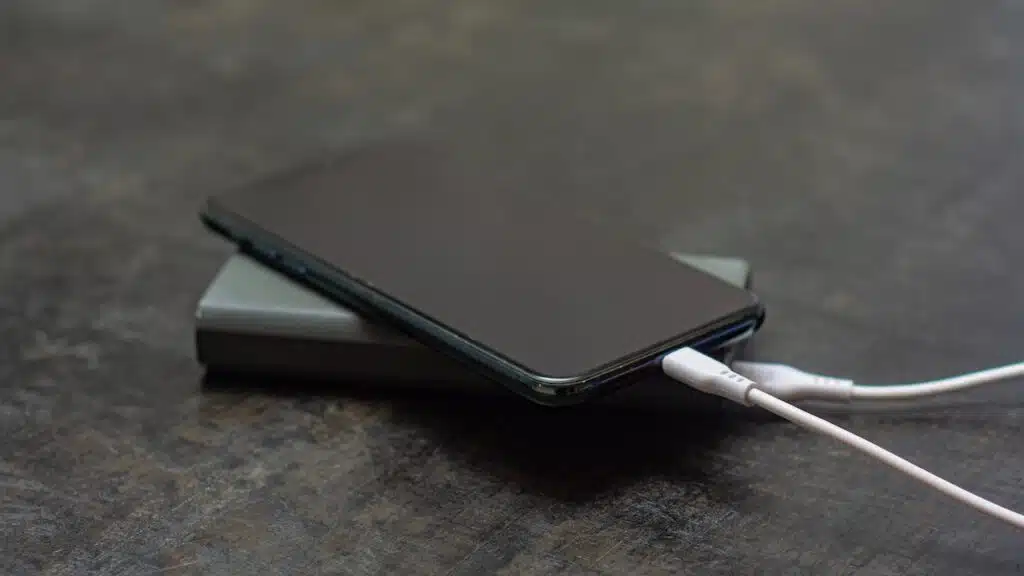
Additionally, text message spamcan take a toll on a cell phone. Unsolicited text messages “diminish cellular battery life, waste data storage capacity, and are an intrusion upon seclusion,” stated the TCPA class action lawsuit.
Prospective Class Members in this TCPA class action lawsuit may fall into one of two classes:
- Class 1 includes all individuals who unsubscribed to American Eagle text messages and continued to receive unsolicited text messages anyway. These text messages must have been sent by an automatic telephone dialing system (use of such a device is a TCPA violation).
- Class 2 includes all individuals who unsubscribed to American Eagle text message spam via text messages and were sent more than one unsolicited text message from the company within a year.
The statue of limitations for both classes is four years.
TCPA Violations: SMS
SMS stands for Short Message Services. According to the TCPA class action lawsuit, an SMS is “a text message call directed to a wireless device through the use of the telephone number assigned to the device.” It works essentially the same as a text message and tends to have 120-500 characters. Over 99 percent of all SMS messages are opened with 90 percent of them read almost immediately. Considering that email advertisements have a significantly lower rate of being opened, 31 percent, it is not a surprise that many companies have chosen to use SMS messages to advertise their products and services to consumers.
However, a consumer must be able to send “STOP” or an equivalent phrase and have all text message spam cease immediately. If a consumer continues to receive unsolicited text messages after that, then all subsequent text communications are TCPA violations.
Christopher texted “STOP” multiple times, several days in a row and received confirmation that “it received Plaintiff’s stop instruction, and stated in (digital) writing that Plaintiff would not receive any more text messages from” American Eagle, according to the TCPA class action lawsuit.
The TCPA Class Action Lawsuit is Case No. 1:15-cv-00039, in the U.S. District Court for the Southern District of Florida.
Join a Free TCPA Class Action Lawsuit Investigation
If you were contacted on your cell phone by a company via an unsolicited text message (text spam) or prerecorded voice message (robocall), you may be eligible for compensation under the Telephone Consumer Protection Act.
ATTORNEY ADVERTISING
Top Class Actions is a Proud Member of the American Bar Association
LEGAL INFORMATION IS NOT LEGAL ADVICE
Top Class Actions Legal Statement
©2008 – 2026 Top Class Actions® LLC
Various Trademarks held by their respective owners
This website is not intended for viewing or usage by European Union citizens.

Suing for unpaid wages in California: Recover unpaid overtime, back pay and more
April 2, 2026 | Legal News