 As medical giant Johnson & Johnson faces a baby powder class action investigation, research from 2013 indicates that there could well be a link between talcum powder and ovarian cancer.
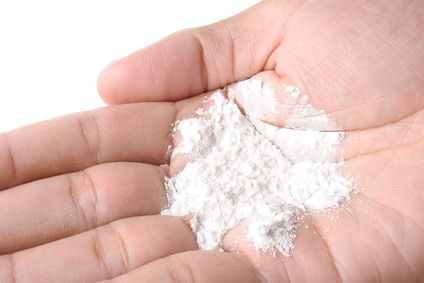
Talcum powder is an absorbent powder with talc, a naturally-occurring mineral, as its chief component. Talcum powder is used as baby powder, though many formulations of baby powder now use cornstarch in the place of talc.
Curiously, the mineral talc is chemically similar to asbestos. In fact, until quality control laws were beefed up in the 1970s, many batches of talcum powder contained trace amounts of asbestos, since the two minerals form under similar conditions. However, even as superior quality control excluded asbestos from talcum powder, concerns remained that talc itself could promote certain types of cancer.
In 2013, a team of researchers based out of Boston published a study in The Journal of the National Cancer Institute pertaining to the connection between talcum powder use and cancer. In the study, the researchers performed a meta-analysis of eight other studies. Meta-analysis is a type of research wherein researchers pool data and study the methods of other research to get a better picture of a phenomenon.
In this case, researchers used the data from eight case-control studies, a type of study wherein two groups of similar people are identified, one with a disease and one without, and their lifestyles and exposures are compared to try to find out the cause of the illness. This study pooled data from studies on talcum powder use and ovarian cancer.
In this meta-analysis, researchers found that women who used talcum powder on their genitals had a 25 percent increase in their risk of developing ovarian cancer. The talcum powder study had more specific risks found with different types of ovarian cancer, and described an increased risk of 15 to 52 percent, depending on the specific type of ovarian cancer. Researchers only found an increased risk of ovarian cancer in women who used talcum powder on their genitals; no similar risk was seen with more general use of talcum powder.
A talcum powder class action lawsuit investigation has been launched to explore the possibility of legal action against the makers of talcum-powder-based products designed for genital use, including Johnson & Johnson’s Shower-to-Shower powder. Such a lawsuit could allege that Johnson & Johnson was aware—or reasonably should have been aware—of the risk of ovarian cancer allegedly linked to talcum powder. Some evidence has suggested a possible link dating all the way back to the 1970s. Such a talcum powder lawsuit could further allege that despite the existence of a safer alternative (cornstarch), Johnson & Johnson continued to market dangerous talcum powder-based products, endangering the public.
Do YOU have a legal claim? Fill out the form on this page now for a free, immediate, and confidential case evaluation. The attorneys who work with Top Class Actions will contact you if you qualify to let you know if an individual lawsuit or class action lawsuit is best for you. [In general, baby powder cancer lawsuits are filed individually by each plaintiff and are not class actions.] Hurry — statutes of limitations may apply.
ATTORNEY ADVERTISING
Top Class Actions is a Proud Member of the American Bar Association
LEGAL INFORMATION IS NOT LEGAL ADVICE
Top Class Actions Legal Statement
©2008 – 2026 Top Class Actions® LLC
Various Trademarks held by their respective owners
This website is not intended for viewing or usage by European Union citizens.
Get Help – It’s Free
Join a Free Baby Powder Cancer Class Action Lawsuit Investigation
If you used Johnson’s Baby Powder, Shower to Shower, or another talcum powder product and were diagnosed with ovarian cancer, you may have a legal claim. Family members of loved ones who died of ovarian cancer can also join. Submit your information now for a free case evaluation. An attorney will contact you if you qualify to discuss the details of your potential case at no charge to you.

Roundup cancer lawsuits: Updates, settlements and eligibility
April 10, 2026 | Roundup Class Action Investigations