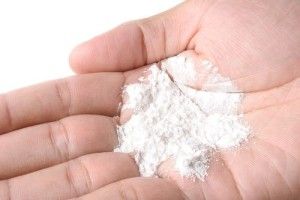
 A Cancer Prevention Research study involving thousands of women discovered that applying baby powder to the genital area increases the chance of developing ovarian cancer by 20-30 percent.
Researchers analyzed the data of eight studies involving 8,525 cases and 9,859 controls and estimated a lifetime number of talcum powder applications.
Women who reported applying baby powder either directly or indirectly (meaning the application was on underwear, sanitary napkins or contraceptives) to their genital area were considered the cases. Women who did not use baby powder as part of their feminine hygiene routine were the controls.
The baby powder study concluded that there is a “small-to-moderate” increase of ovarian cancer risk among women who use talcum powder on their genital area. Researchers further noted that there is no increase ovarian cancer risk with women who only reported non-genital powder use.
These findings back up another study published by the journal Cancer Epidemiology, Biomarkers & Prevention, which found that regular use of talcum powder increased the risk of endometrial cancer by 24 percent.
Researchers concluded that genital use of baby powder increases the overall risk of endometrial cancer, especially in postmenopausal women.
Baby Powder Cancer Health Risks
For the past 40 years, researchers have studied the possible link between ovarian cancer and talcum powder. In a 1971 published ovarian cancer study, The British Journal of Obstetrics and Gynaecology found that out of 13 biopsied ovarian tumors, 10 had talc particles embedded deep within them.
Consumers often point to marketing campaigns of Shower to Shower talc product which state “a sprinkle a day keeps odor away,” as evidence that talcum products are safe to use daily.
Many individuals who use Johnson’s Baby Powder, which is advertised as “clinically proven to be gentle and mild for your baby’s skin,” claim that if the product is safe to use on an infant there is probably no health risks associated with it.
Johnson & Johnson, one of the leading manufacturers of talcum powder products, has yet to place any cancer warning on its products. The company maintains that research surrounding ovarian cancer and baby powder is not conclusive.
According to the American Cancer Society, ovarian cancer symptoms include:
- Quickly feeling full when eating
- Changes in bowel habits, such as constipation
- Abdominal bloating or swelling
- A frequent need to urinate
- Discomfort in the pelvis area
- Weight loss
Baby Powder Lawsuits
Nearly 700 baby powder lawsuits have been filed against talcum powder product manufacturers. The majority of the cases are filed in New Jersey, where Johnson & Johnson is headquartered. The first cases are scheduled to go to trial in early 2016.
In 2013, Deane B. of South Dakota sued Johnson & Johnson for strict liability and failure to warn of the ovarian cancer risks. The jury agreed with the plaintiff but awarded her no financial compensation.
If you developed cancer after using talcum powder contact an attorney to find out if you have a legal claim.
Do YOU have a legal claim? Fill out the form on this page now for a free, immediate, and confidential case evaluation. The attorneys who work with Top Class Actions will contact you if you qualify to let you know if an individual lawsuit or class action lawsuit is best for you. [In general, baby powder cancer lawsuits are filed individually by each plaintiff and are not class actions.] Hurry — statutes of limitations may apply.
ATTORNEY ADVERTISING
Top Class Actions is a Proud Member of the American Bar Association
LEGAL INFORMATION IS NOT LEGAL ADVICE
Top Class Actions Legal Statement
©2008 – 2026 Top Class Actions® LLC
Various Trademarks held by their respective owners
This website is not intended for viewing or usage by European Union citizens.
Get Help – It’s Free
Join a Free Baby Powder Cancer Class Action Lawsuit Investigation
If you used Johnson’s Baby Powder, Shower to Shower, or another talcum powder product and were diagnosed with ovarian cancer, you may have a legal claim. Family members of loved ones who died of ovarian cancer can also join. Submit your information now for a free case evaluation.
An attorney will contact you if you qualify to discuss the details of your potential case at no charge to you.