
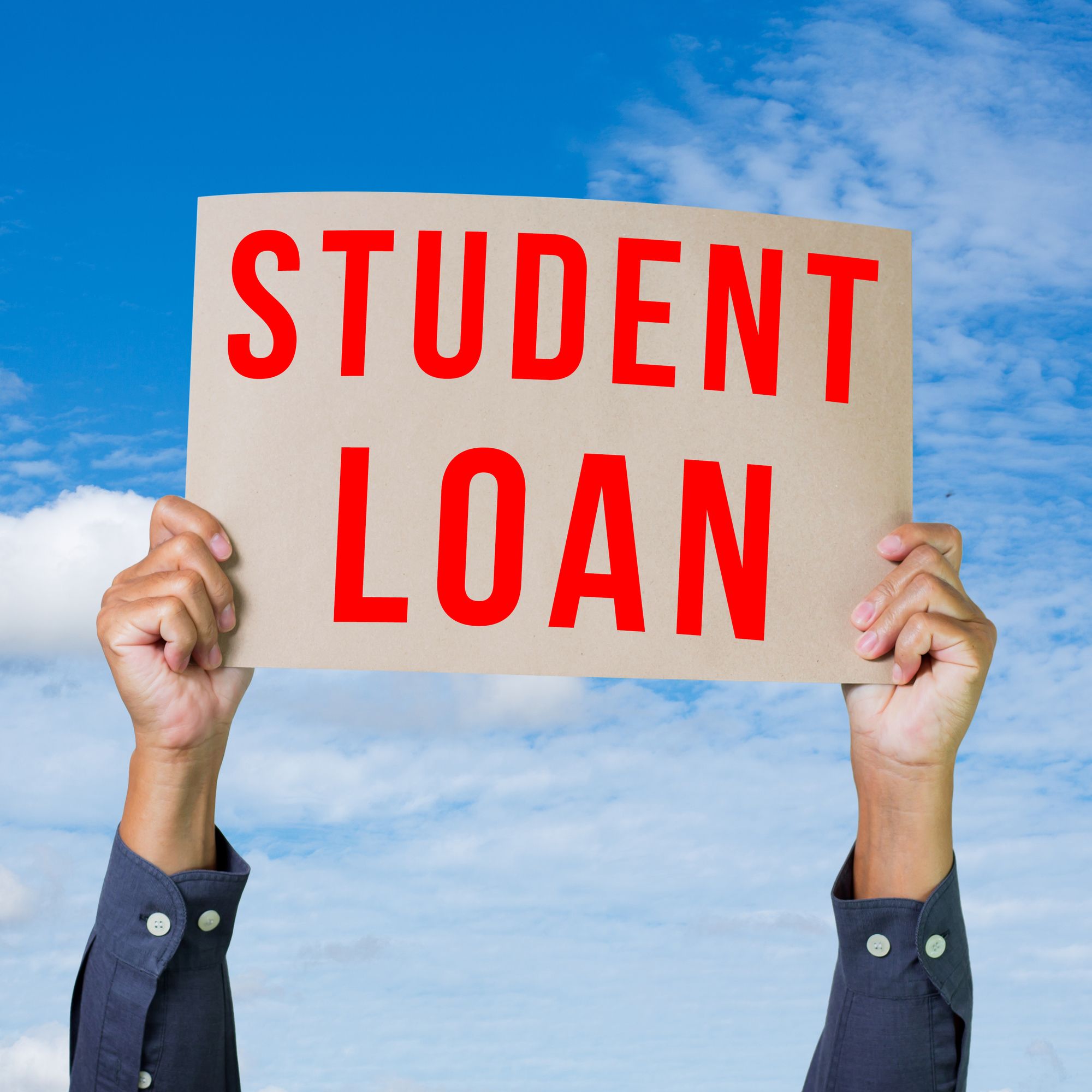
 When a person files for bankruptcy, they may be able to have certain kinds of private student loans discharged (erased). A Sallie Mae student loan may be one of these dischargeable private student loans.
However, some people claim that this student loan company may actually try to collect on your Sallie Mae student loan after bankruptcy, even when it should have been discharged. This practice may be in violation of debt collection regulations.
If your Sallie Mae student loan or loan from another group should have been discharged due to bankruptcy but the company is still trying to collect on your debt, you may be able to participate in an investigation.
Is your Student Loan Dischargeable?
There are a few important factors that can help you determine whether or not your student loan is dischargeable in the event of bankruptcy.
Loans that may qualify for discharge in bankruptcy are made through a private, for-profit lender. They also must not be made for “qualified educational expenses.”
These are often loans that are used to pay for programs other than a traditional four-year college, which are generally non-dischargeable in bankruptcy. The kinds of private loans that may qualify for discharge can include flight school loans, study abroad loans, bar exam loans, paralegal school loans, art school loans, and many more.
A Sallie Mae student loan is one of the more prominent non-qualified student loan, but borrowers have reportedly encountered the company’s agents attempting to collect on a loan that should have been discharged after bankruptcy. If a person is unaware of the rules regarding dischargeable loans, they may end up paying the money unnecessarily or being forced deeper into debt, even if it is the company itself that is in the wrong.
Illegal Student Loan Collection
Hundreds, if not thousands, of student loan debtors may have been contacted illegally by debt collection efforts after filing for bankruptcy, such as with a Sallie Mae student loan. Fortunately, there are regulations in place granting legal rights to these debtors that may save them from paying these loans, as well as prevent further harassment from debt collectors.
The Fair Debt Collection Practices Act, or FDCPA, was first passed by Congress back in 1978 in order to combat unfair or deceptive debt collection practices increasingly used by creditors and debt collectors across the country. Debt collection in itself is legal, but the FDCPA regulates how collectors go about collecting these debts, providing protection to debtors.
Violations of the FDCPA may provide you with compensation for this illegal action. Debt collectors who are found to have violated the FDCPA may owe debtors $1,000 in statutory damages, plus the amount of any actual damages they have suffered.
Illegal debt collection practices for a discharged Sallie Mae student loan may include harassment, telephone harassment, false statements and deceptive practices, collection of debts not owed, collection of expired debts, making improper reports to credit reporting agencies, failure to cease communication upon request, and improper communication with third parties.
Filing a Lawsuit Over FDCPA Violations
People who have suffered from illegal Sallie Mae student loan debt collection attempts after filing for bankruptcy may have a legal claim against the debt collector or lender for actual and punitive damages.
Join a Free Private Student Loan Debt Collection Investigation
If you have suffered from student loan debt collection efforts after you have filed for bankruptcy with a private, non-qualified student loan, you may have legal remedies to stop these illegal collection efforts. Find out if you qualify.
DISCLAIMER: Debt collection itself is not illegal. However, creditors and debt collection firms collecting on consumer debts must adhere to the FDCPA and respect bankruptcy discharge injunctions. Even though consumer debt attorneys are investigating these companies, their debt collection practices may be legal.
ATTORNEY ADVERTISING
Top Class Actions is a Proud Member of the American Bar Association
LEGAL INFORMATION IS NOT LEGAL ADVICE
Top Class Actions Legal Statement
©2008 – 2026 Top Class Actions® LLC
Various Trademarks held by their respective owners
This website is not intended for viewing or usage by European Union citizens.
Get Help – It’s Free
Join a Free Private Student Loan Debt Collection Class Action Lawsuit Investigation
If you qualify, an attorney will contact you to discuss the details of your potential case at no charge to you.
Please Note: If you want to participate in this investigation, it is imperative that you reply to the law firm if they call or email you. Failing to do so may result in you not getting signed up as a client, if you potentially qualify, or getting you dropped as a client.
E-mail any problems with this form to:
[email protected].
Oops! We could not locate your form.





One thought on Was Your Sallie Mae Student Loan Collected Illegally?