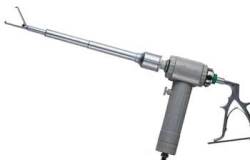
 The U.S. Food and Drug Administration issued a second morcellation cancer alert, announcing that manufacturers of power morcellators would now be required to add a black box warning to morcellator product labels to warn physicians and patients that the medical devices can spread cancer cells within a patient’s uterus and abdominal cavity.
The FDA has estimated that one in every 352 patients undergoing laparoscopic surgery to remove uterine fibroids or their uterus also has an unsuspected uterine sarcoma, also known as uterine cancer. Additionally the prevalence of laparoscopic hysterectomy and myomectomy patients who have uterine leiomyosarcoma (that is, cancerous tumors found on the smooth muscle cells of the uterus and/or abdomen) is one in 498, a statistic that is higher than previously thought by the American medical community.
According to the FDA’s power morcellation safety communication:
“If laparoscopic power morcellation is performed in women with unsuspected uterine sarcoma, there is a risk that the procedure will spread the cancerous tissue within the abdomen and pelvis, significantly worsening the patient’s long-term survival. While the specific estimate of this risk may not be known with certainty, the FDA believes that the risk is higher than previously understood.”
Because other surgical options are available to perform hysterectomies and myomectomies, and because of the cancer risks posed by these medical devices, the FDA officially advised the American medical community against using laparoscopic power morcellators for the majority of women requiring a surgical treatment to remove uterine fibroids.
The FDA also strongly advised doctors to share this safety communication with their patients, including the limiting of patients who can receive laparoscopic morcellation surgery and the risk of morcellator cancer.
According the FDA Morcellation Health Notice, women who are required to undergo surgical procedures for the removal of fibroids are recommended to:
- Ask their health care provider to go over all available treatment options for their specific conditions, paying close attention to risks and benefits associated with the available medical devices and procedures.
- Ask their doctor or attending physician if a power morcellator will be used and why he/she thinks morcellation is the best treatment option.
- Consult their health care provider if they have persistent and reoccurring symptoms after undergoing a hysterectomy or myomectomy to remove uterine fibroids. Patients are encouraged to have follow-up appointments with doctors after a hysterectomy or myomectomy, even if the tissue sample tested normal and they exhibit no symptoms.
- Be aware that there are a number of additional surgical options available to remove uterine fibroids, which include surgical hysterectomy performed via the vagina or abdomen, myomectomy, laparoscopic hysterectomy and myomectomy without morcellation, and laparotomy. Before choosing any of these treatments, discuss the risk and benefits of each with your health care provider.
Thousands of female patients who developed uterine cancer after undergoing a laparoscopic morcellation surgery have filed morcellator cancer lawsuits. Many more are expected to file or join morcellator cancer class action lawsuits against power morcellator manufacturers.
Do YOU have a legal claim? Fill out the form on this page now for a free, immediate, and confidential case evaluation. The morcellation cancer attorneys who work with Top Class Actions will contact you if you qualify to let you know if an individual lawsuit or class action lawsuit is best for you. [In general, morcellator cancer lawsuits are filed individually by each plaintiff and are not class actions.] Hurry — statutes of limitations may apply.
ATTORNEY ADVERTISING
Top Class Actions is a Proud Member of the American Bar Association
LEGAL INFORMATION IS NOT LEGAL ADVICE
Top Class Actions Legal Statement
©2008 – 2026 Top Class Actions® LLC
Various Trademarks held by their respective owners
This website is not intended for viewing or usage by European Union citizens.
Get Help – It’s Free
Join a Free Morcellation Cancer Class Action Lawsuit Investigation
If you or a loved one were diagnosed with cancer in the uterus, pelvis or abdomen within two years of undergoing surgery for a myomectomy (removal of fibroids), hysterectomy (removal of the uterus), oophorectomy (removal of the ovaries), or salpingectomy (removal of fallopian tubes), you may have a legal claim. See if you qualify by filling out the short form below.
An attorney will contact you if you qualify to discuss the details of your potential case at no charge to you.
Oops! We could not locate your form.