
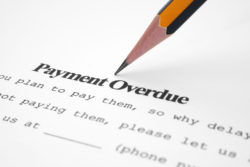
 A New York resident filed a fair debt collection lawsuit on behalf of himself and all others similarly situated, against Phillips & Cohen Associates, Ltd., alleging the company violated the Fair Debt Collections Practices Act.
Plaintiff Israel P. filed the fair debt collection lawsuit on Dec. 12, 2017, in New York federal court. According to the fair debt collection lawsuit, defendant Phillips & Cohen is a collection agency with its office located in Wilmington, Del.
Israel filed the fair debt collection lawsuit claiming the defendant used “unfair and unconscionable means to collect a debt.” He seeks declaratory and injunctive relief.
According to the lawsuit, the debt collection agency sent a letter to Israel inaccurately stating the amount of his alleged debt on May 23, 2017. The letter allegedly violated the FDCPA because it failed to disclose the total balance owed by Israel.
The FDCPA prohibits debt collectors from using false or misleading representations of an amount owed that could be misconstrued by the “least sophisticated consumer.”
Israel says that the agency falsely represented the fact that an immediate payment of the balance would benefit him. He says the letter implied that the balance is not subject to any change including additional interest owed. The fair debt collection lawsuit asserts, “The letter can reasonably be read by the least sophisticated consumer to have two or more meanings concerning the actual balance due, one of which must be inaccurate…”
Fair Debt Collection Practices Act (FDCPA)
The Fair Debt Collection Practices Act (FDCPA) was enacted to protect consumers from privacy violations, harassment, and unfair debt collection practices by third-party debt collectors. The FDCPA was later amended by the Financial Services Regulatory Relief Act of 2006.
A third-party debt collector is an entity that attempts to collect a debt on another party’s behalf. The FDCPA provides a set of regulations that third-party debt collectors must abide by. And although the law protects consumers from unfair debt collection practices by third-party debt collectors, it does not protect a consumer from the collection of personal debts.
The FDCPA regulates certain practices and actions done by third-party debt collectors, such as times they are permitted to call (typically 8:00 AM to 9:00 PM). It prevents debt collectors from calling too often, sending confusing letters, harassment, threats, and adding fees or collection charges to a debt.
FDCPA Actions Prohibited by Debt Collectors
The FDCPA prohibits debt collectors from using any of the following debt collection practices:
• Contacting someone else to speak about your debt, such as a parent, family member, friend, or coworker. This prohibition does not apply to co-signers, as they have signed onto the debt.
• A debt collector is prohibited from calling at “inconvenient” times such as the middle of the night, or at a workplace.
• Debt-collectors are prohibited from engaging in abusive, harassing, and oppressive actions with a debtor. Profane language is also prohibited.
• If a debt-collector contacts someone else to locate a debtor, they cannot contact them again.
The Fair Debt Collection Lawsuit is Case No. 1:17-cv-07220-DLI-SJB, in the U.S. District Court for the Eastern District of New York.
Join a Free New York Unfair Debt Collection Class Action Lawsuit Investigation
If you live in New York and a lender or debt collector engaged in unfair debt collection practices, you may have a legal claim and could be owed compensation for violations of the Fair Debt Collection Practices Act (FDCPA).
DISCLAIMER: Debt collection itself is not illegal. However, debt collection firms collecting on consumer debts must adhere to the FDCPA. Even though debt attorneys are investigating these companies, their debt collection practices may be legal.
ATTORNEY ADVERTISING
Top Class Actions is a Proud Member of the American Bar Association
LEGAL INFORMATION IS NOT LEGAL ADVICE
Top Class Actions Legal Statement
©2008 – 2026 Top Class Actions® LLC
Various Trademarks held by their respective owners
This website is not intended for viewing or usage by European Union citizens.

Legal help for mental harm caused by social media addiction in young users
May 6, 2026 | social media









2 thoughts onPhillips & Cohen Faces Fair Debt Collection Lawsuit
Interested in this story. When my m-i-l passed on, Phillips and Cohen appeared with a claim for a debt, and threatened my wife and I with court. We passed it to our solicitor, since the Will was going through probate court here in Texas. Naturally, Phillips and Cohen could not prove any such debt and did not appear at the court. We even suspect it may have been a scam, since we had no knowledge of it. My wife and I considered it harassment, on behalf of an alleged debt which the deceased clearly could not pay. Any solicitors reading this with an interest contact me. nice2sayhello at aol dot com.