 The parents of two victims of the Oakland Ghost Ship fire are suing the facility’s owners and operators as well as local governments for allowing the warehouse to turn into a “death trap.”
The victims, 20-year-old Michela Gregory and 23-year-old Griffin Madden, were two of 36 people who died in a Dec. 2 fire during an electronic music performance at the warehouse, known as the home of an artist collective and an occasional music performance venue.
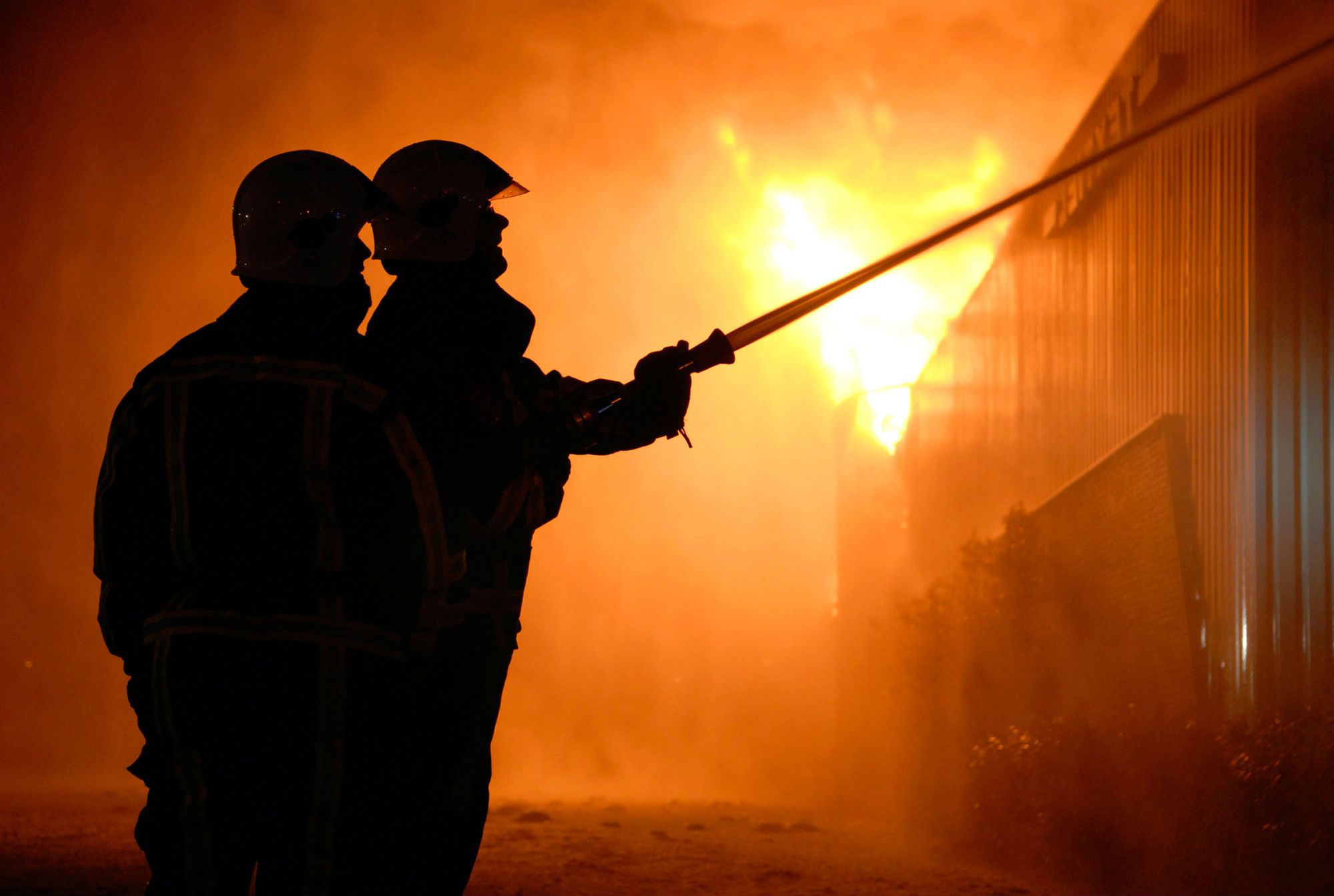
According to the families’ filings, the fire broke out on the evening of Dec. 2 with about 100 persons in attendance. Most were able to escape, but many others were trapped inside due to the unsafe conditions and configuration of the inside of the warehouse, the parents allege.
Gregory and Madden were among those who could not escape in time. Their parents claim they did not die immediately but were eventually overcome by the flames and smoke.
Conditions inside the Ghost Ship were a tragedy waiting to happen, according to the lawsuits. The interior of the warehouse contained “a maze of makeshift rooms, alcoves and partitions” and a veritable museum of artwork and found objects, the parents say.
The victims’ parents, plaintiffs Kimberly and David Gregory and Catherine and Michael Madden, are now bringing accusations of negligence against building owner Chor Ng and against many other named defendants associated with the property and the events hosted there.
Ng allegedly owns several other properties on the same block immediately adjacent to the Ghost Ship, including a property next door where a commercial tenant allegedly supplied the Ghost Ship with a makeshift electrical supply.
According to the lawsuits, all electricity for the Ghost Ship was supplied via extension cords run from the business next door through a hole in the wall of the warehouse.
From that source, a network of extension cords, cables and electrical boxes ran electricity throughout the warehouse, none of which was installed by licensed contractors, the plaintiffs claim. They allege this system was overloaded by the demand created by the dozens of artists and musicians who lived and performed at the Ghost Ship.
The families also filed notices of claims against Alameda County and the city of Oakland as an administrative prerequisite to formal legal action. They accuse the local governments of failing to properly inspect the building and enforce fire protection and life safety codes.
An attorney from the family notes that California state law provides broad immunity to local governments against legal claims based on their duty to inspect. However, that immunity is not insurmountable, the attorney says.
Other named defendants include primary tenants Derick Ion Almena and Micah Allison, event promoter John Hrabko, and performer Joel Shanahan.
Both families are seeking damage awards to cover medical expenses, funeral and burial expenses, lost wages, and the financial support the victims would have contributed to their respective families. They also seek reimbursement of costs and attorneys’ fees, all with prejudgment interest where applicable.
The families are represented by attorneys Mary E. Alexander, Jennifer L. Fiore, Sophia M. Aslami of Mary Alexander & Associates PC.
ATTORNEY ADVERTISING
Top Class Actions is a Proud Member of the American Bar Association
LEGAL INFORMATION IS NOT LEGAL ADVICE
Top Class Actions Legal Statement
©2008 – 2026 Top Class Actions® LLC
Various Trademarks held by their respective owners
This website is not intended for viewing or usage by European Union citizens.

Suing for unpaid wages in California: Recover unpaid overtime, back pay and more
April 2, 2026 | Legal News