
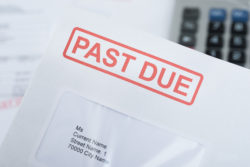
 R.A. Rogers Inc. is facing a New York woman’s Fair Debt Collection Practices Act (FDCPA) lawsuit alleging the company violated debt collection laws after sending a letter that inaccurately stated the amount of the debt.
Plaintiff Corissa L. a resident and citizen of Suffolk County, N.Y., filed the lawsuit on Dec. 30, 2017, in New York federal court. R.A. Rogers is a third-party debt collector with a principal place of business in Anne Arundel County, Md.
According to the debt collection laws violation lawsuit, R.A. Rogers sent a letter to Corissa on Dec. 27, 2017, to acquire debt that she owed on her credit card from ABNB Federal Credit Union.
Corissa says the letter failed to accurately disclose the total balance owed on her account, in violation of the FDCPA. The letter contained a “Total” balance of $16, 571.20 but failed to notify her of whether the account balance would accrue any additional fees or interest.
The debt collection lawsuit contends that “[t]he letter fails to provide information that would allow the least sophisticated consumer to determine what he or she will need to pay to resolve the debt at any given moment in the future.”
What is the FDCPA?
The FDCPA, or Fair Debt Collection Practices Act, was passed in 1978 to protect consumers against unfair debt collection practices and harassment by third-party debt collectors. It is a federal law that limits the behaviors and actions of third-party debt collectors and provides rules that debt collectors must abide by.
Third-party debt collectors are entities that attempt to collect a debt on behalf of other parties. Although the act protects debtors against inappropriate behaviors and actions done by third-party debt collectors, it does not protect debtors from the actions of those that are owed personal debts.
For example, under the FDCPA, a debtor cannot be protected from any actions or behaviors done for the acquirement of debt by an individual’s local hardware store. The FDCPA strictly protects against unlawful actions done by third-party debt collectors.
The FDCPA sets several regulations and rules that must be followed. For example, it sets the number of times and hours a debt collector can be in contact. This time is typically set between the hours of 8:00 AM to 9:00 PM. This is set unless another arrangement has specifically been made between a debtor and collector.
Additionally, any telephone calls in a harassing or threatening manner are strictly prohibited. Any objection made by the debtor for contact by a collector, if done either verbally or in writing, must also be abided by.
Some additional restrictions set forth by the FDCPA includes the communication with third parties about a debt; calling too often; sending confusing letters; the collection on old debts; and adding collection charges or fees to a debt.
The Debt Collection Laws Lawsuit is Case No. 2:17-cv-07588-ADS-GRB, in the U.S. District Court for the Eastern District of New York.
Join a Free New York Unfair Debt Collection Class Action Lawsuit Investigation
If you live in New York and a lender or debt collector engaged in unfair debt collection practices, you may have a legal claim and could be owed compensation for violations of the Fair Debt Collection Practices Act (FDCPA).
DISCLAIMER: Debt collection itself is not illegal. However, debt collection firms collecting on consumer debts must adhere to the FDCPA. Even though debt attorneys are investigating these companies, their debt collection practices may be legal.
ATTORNEY ADVERTISING
Top Class Actions is a Proud Member of the American Bar Association
LEGAL INFORMATION IS NOT LEGAL ADVICE
Top Class Actions Legal Statement
©2008 – 2026 Top Class Actions® LLC
Various Trademarks held by their respective owners
This website is not intended for viewing or usage by European Union citizens.
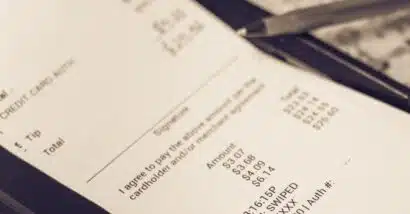
FACTA investigation: Did a paper receipt expose too much of your credit card information?
June 15, 2026 | Legal News






2 thoughts onNew York Debtor Accuses R.A. Rogers of Debt Collection Laws Violations
I have just negotiated a settlement in an FDCPA lawsuit as a self-represented non-lawyer plaintiff in US District Court between a well know corporate debt collector and law firm with several attorneys as defendants which I believe are blowing me off and are not taking this as seriously as I believe they should be and they are already in default on a second deadline issued by the court to file settlement papers. I believe I need to hire a law firm to go after these people to collect. Can you do it or do you know someone that can and would? Evidence is so strong I believe we can void all of it and go into eventual trial for damages if need be. I have two cases that were handled as one and now this. Can anyone provide any advice w/o violating any rules or laws?
Here at Top Class Actions, we report on class action lawsuits and settlements around the country to bring awareness to you, our viewers. We do not actually file any lawsuits as we are not attorneys, and therefore cannot offer legal advice.
We offer a submission form on our website for you to fill out if you are seeking class action legal help. Attorneys will then review your submission to determine if you have a case. If they feel you qualify, they will contact you directly. You can submit your information here: https://topclassactions.com/start-a-class-action/. You may want to consult your own attorney, and should you choose to go that route, we recommend checking out http://www.consumeradvocates.org/find-an-attorney. Once there, you will be able to search a broad database of specialized attorneys in your area that you may consult.
We wish you the best of luck in your pursuit of justice!