
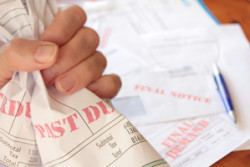
 New York debt collection regulations were recently updated to help protect consumers from harassment, manipulation, and abuse from collection agencies.
While there are also debt collection rules in play at the federal level, these updated New York debt collection regulations are even more strict, offering more protections. The update went into effect in August 2015, and apply to collection agencies and those who have purchased consumer debts.
With these new regulations, the hope is that New York debt collection practices can become less abusive and more transparent for consumers.
The (New) New York Debt Collection Regulations
The Fair Debt Collection Practices Act (FDCPA) was passed in 1978 at the federal level to protect consumers from debt collection harassment and unfair practices. For instance, the FDCPA prohibits debt collectors from calling before or after certain times of day, from calling a workplace without permission, and from threatening debtors. Instead, under FDCPA rules, debt collectors are limited to providing information about a consumer’s debt and how to pay it off.
The updated New York debt collection rules expand on these laws, after New York Governor Andrew Cuomo worked with the New York Department of Financial Services to increase debt collection regulations.
Governor Cuomo released a statement about the stricter New York debt collection rules, saying, “We’re rolling out tough new regulations that protect borrowers and help crack down on illegitimate debt collection practices. These new tools and disclosures will protect New Yorkers across the state, and I am pleased that our administration is leading the way on this issue.”
These updated New York debt collection regulations are meant to prevent the harassment and abuse of debtors, as well as prohibit the deceitful or misleading practices sometimes used in debt collection.
The updated New York debt collection rules ban debt collectors from the following practices:
- Sending confusing letters
- Communicating with third parties about a debt
- Making threats
- Harassment
- Adding fees or collection charges to the debt
- Calling too often
- Calling at inconvenient times of day
- Collecting on old debts
- Making robocalls
New York debt collection letters and phone calls must also include certain information, such as details on the statute of limitations, information about your rights as a consumer, and information about the debt itself. Debt information must be thorough, including not only the amount of debt initially owed, but also the amount that has accrued and other fees, as well as any payments the consumer has made so far.
If you live in New York and a debt collector has used unfair debt collection practices, you may be able to file a lawsuit and gain compensation owed for violations of federal and/or New York debt collection regulations.
Join a Free New York Unfair Debt Collection Class Action Lawsuit Investigation
If you live in New York and a lender or debt collector engaged in unfair debt collection practices, you may have a legal claim and could be owed compensation for violations of the Fair Debt Collection Practices Act (FDCPA).
DISCLAIMER: Debt collection itself is not illegal. However, debt collection firms collecting on consumer debts must adhere to the FDCPA. Even though debt attorneys are investigating these companies, their debt collection practices may be legal.
ATTORNEY ADVERTISING
Top Class Actions is a Proud Member of the American Bar Association
LEGAL INFORMATION IS NOT LEGAL ADVICE
Top Class Actions Legal Statement
©2008 – 2026 Top Class Actions® LLC
Various Trademarks held by their respective owners
This website is not intended for viewing or usage by European Union citizens.











2 thoughts onNew York Debt Collection Rules Updated to Protect Consumers
Please add me