
 Over the last few years, natural foods lawsuits filed against food and beverage companies for alleged mislabeling have grown in number and tackle a range of issues.
As these natural foods lawsuits multiply, they have evolved and now include labeling allegations beyond whether products are harmful.
Some misleading and deceptive practices include companies that claim natural foods labeling, local and craft beers, local farmers markets, and fraudulent seafood labels.
All Natural Foods
Products with natural food packaging and all natural labels have been highly scrutinized over the last few years for not technically containing solely naturally occurring ingredients.
The FDA and the US Department of Agriculture (USDA) do not regulate the term “natural,” therefore every food company has their own definition as to what natural foods means.
Natural or all natural food products can contain GMOs and can be grown with the use of synthetic pesticides and fertilizers, none of which occur naturally in nature. In addition, you will often see products that are labeled as all natural, but they contain artificial (synthetic) sweeteners.
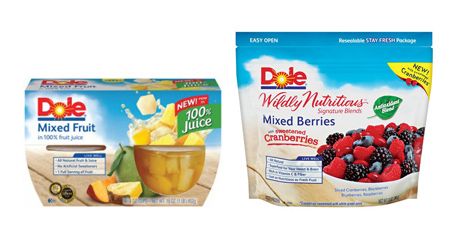
In December, a federal judge in California threw out an all natural lawsuit that said Dole Food Company, Inc.’s natural foods label on packaged fruit mixes were misleading because the products contained citric acid and ascorbic acid. The judge ruled that there was not enough evidence to prove that the natural food label could mislead consumers.
In November, General Mills, Inc. was not as fortunate. The company ended up settling an all natural lawsuit filed by the Center for Science in the Public Interest, which contested use of the phrase “all-natural” on some Nature Valley products.
Misleading Local and Craft Alcoholic Beverages
A similar battle is being fought over MillerCoors’ use of the phrase “craft beer” appearing on the company’s Blue Moon label. The San Diego-based plaintiff says that Blue Moon does not fit the Brewers Association’s definition of a craft brewery, therefore Blue Moon allegedly deceives consumers into thinking the brand is independently brewed and hand-crafted.
Also, and perhaps the plaintiff’s biggest issue, the alleged deception leads to consumers paying up to 50% more for Blue Moon than other MillerCoors products. Craft beer tends to command a higher price.
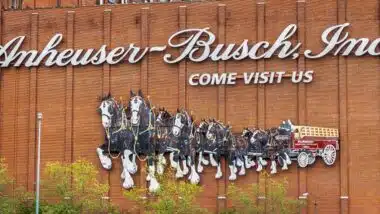
Other big alcohol brands have faced lawsuits recently over misleading marketing practices. This January, a judge ruled that Anheuser-Busch InBev had to payout to customers who believed their Kirin Ichiiban beer was imported from Japan. In February, bourbon producer Jim Beam faced a $5 million lawsuit over its use of the word “handcrafted” on its bottle labels.
Deception at “Local” Farmers Markets
The increasing consumption of locally grown agricultural products has led to some deceptive practices as well. One should not assume that because it is sold at a farmers market that it is local or organic. As the number of US farmers markets has tripled in the past 15 years to more than 5,200, and sales have far exceeded $1 billion, numerous food sellers who lie about who they are or what they are selling are worming their way into this niche.
A surprising investigation by a NBC news affiliate discovered several examples of false claims at various farmers’ markets, including Mexican produce that was allegedly sold recently in a California farmer’s market under false pretenses.
Fraudulent Seafood Labeling
Seafood is a popular food internationally, yet consumers are routinely given little or no information about the seafood they eat. The information they are given can be misleading, which impacts consumers, public health, fishermen, honest seafood businesses and the oceans.
From 2010 to 2012, Oceana conducted one of the largest seafood fraud investigations in the world to date, collecting more than 1,200 seafood samples from 674 retail outlets in 21 states to determine if they were honestly labeled.
DNA testing found that one-third (33 percent) of the 1,215 samples analyzed nationwide were mislabeled, according to FDA guidelines.
Misleading Natural Foods Labeling
Food and beverage companies use numerous tactics to deceive and manipulate consumers into buying their natural foods products and can be sued for false advertising if they put natural foods labels on products that would mislead and trick consumers.
If you or someone you love has suffered because of a deceptive, misleading, or all natural food label, you may be able to file a natural foods labeling lawsuit.
Free All-Natural Food Label Class Action Lawsuit Investigation
Did you purchase a food product because the label said it was “Natural,” “All Natural,” “100% Natural” or used a similar term?
Some food products labeled “Natural,” “All Natural,” or “100% Natural” are not, in fact, natural because they contain unnatural ingredients, such as artificial additives, synthetic vitamins, and/or chemical preservatives.
ATTORNEY ADVERTISING
Top Class Actions is a Proud Member of the American Bar Association
LEGAL INFORMATION IS NOT LEGAL ADVICE
Top Class Actions Legal Statement
©2008 – 2026 Top Class Actions® LLC
Various Trademarks held by their respective owners
This website is not intended for viewing or usage by European Union citizens.




5 thoughts onMisleading Natural Foods Practices Called Into Question
Yes please add me to the list. Thank u.
Please add me
Add me i eat this all the time.
Please add me