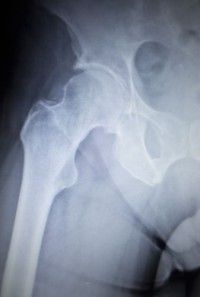
 A metal hip complications lawsuit was filed against Zimmer Inc. for allegedly causing a California woman to suffer debilitating injuries.
Janet F., who brought the lawsuit with her husband, was suffering from hip pain and decided to get a hip replacement.
After reading the defendant’s advertisements for its Durom Cup, the lawsuit says, Janet underwent hip implant surgery on March 28, 2008. Not long after the hip surgery, the plaintiff started complaining of pain, which became so bad that it interfered with her daily activities, the metal hip lawsuit says.
After medical testing revealed that the area of the implantation had become infected, the device was removed on June 1, 2015. Revision surgeries are more complicated, and carry higher risks than the initial hip implant procedures.
Medical records indicate that the plaintiff had also been suffering from a condition called metallosis, which is the poisoning of the blood through elevated metal levels. Doctors explain that she, and many other patients suffered this metal hip implant complication, due to ions shed from the ball-and-socket joints.
The plaintiffs also allege that these metal hip implants had the tendency to cause the side effects Janet suffered. Numerous other patients reported suffering hip implant complications including device failure, corrosion, fretting, infection, and metallosis.
They also complain that the company failed to warn against these side effects.
The plaintiff’s lawyers state that Zimmer had the responsibility of warning their client, and other metal hip implant patients, of the potential dangers of their product. Janet insists that she never would have opted for the Durom Cup if she had known about the possibility of device failure and metallosis.
Overview of Metal Hip Implant Allegations
Zimmer is one of the leading companies in the hip and knee replacement industry, and has been around since 1927. By 2008, Zimmer accounted for over 70% of the hip and knee replacement market.
As it has been with all metal hip implant manufacturers, Zimmer has faced numerous metal-on-metal hip implant complications complaints. On July 22, 2008, several months after the plaintiff’s initial surgery, the Durom Cup had been taken off the market due the debilitating side effects reported.
Many experts criticize Zimmer and other hip implant manufacturers, for having their metal hip implants approved through the FDA’s 510(k) process. This policy allows products to go to market without preclinical testing if the device works at equal efficiency with a similar, already released product.
Zimmer is accused of negligence, false advertising, concealing information, and misrepresenting a product.
This metal hip implant lawsuit is Case No. 2:15-cv-05205-SDW-SCM, in the U.S. District Court of New Jersey.
Do YOU have a legal claim? Fill out the form on this page now for a free, immediate, and confidential case evaluation. The hip implant attorneys who work with Top Class Actions will contact you if you qualify to let you know if an individual lawsuit or class action lawsuit is best for you. [In general, metal hip implant lawsuits are filed individually by each plaintiff and are not class actions.] Hurry — statutes of limitations may apply.
ATTORNEY ADVERTISING
Top Class Actions is a Proud Member of the American Bar Association
LEGAL INFORMATION IS NOT LEGAL ADVICE
Top Class Actions Legal Statement
©2008 – 2026 Top Class Actions® LLC
Various Trademarks held by their respective owners
This website is not intended for viewing or usage by European Union citizens.
Get Help – It’s Free
Join a Free Metal Hip Replacement Class Action Lawsuit Investigation
If you or a loved one had a metal-on-metal hip implant that failed or caused serious complications, you may be entitled to compensation. Hip replacement lawsuits are being filed now against multiple companies, including Stryker, Biomet, DePuy, Zimmer, and Wright. See if you qualify to take legal action by filling out the form below.
An attorney will contact you if you qualify to discuss the details of your potential case at no charge to you.
Oops! We could not locate your form.