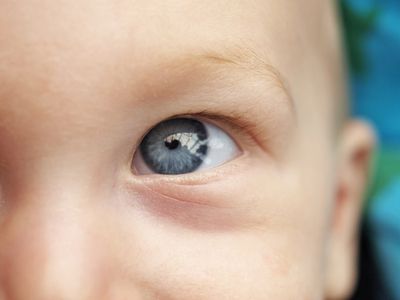
 Retinopathy of prematurity (also known as retrolental fibroplasia, or RLF), is a potentially devastating eye disease that can affect babies who are born premature. Sometimes when a baby is born prematurely, there is a disruption in the normal development of the blood vessels in the eye. If not timely treated, these babies may suffer complete blindness.
What Is Retinopathy Of Prematurity?
Retinopathy of prematurity is the second highest cause of baby blindness in America today, affecting about 15,000 babies each year. Primarily affecting premature or underweight infants, retinopathy of prematurity is a condition in which:
- The blood vessels in baby’s eyes grow abnormally.
- Scar tissue develops.
- The retina detaches, to some degree, from the inner eye tissues.
- Vision impairment or blindness occurs.
Retinopathy of Prematurity Diagnosis and Treatments
Symptoms of Retinopathy of prematurity won’t likely arise until the several weeks to months following childbirth, as it’s hard to detect vision problems in newborns due to their inability to completely focus their eyes. Consequently, high-risk infants will need to receive regular eye exams to monitor their vision.
But if diagnosed and treated in a timely manner, 95% of the children affected can be expected to have normal or near-normal vision. Unfortunately, healthcare professionals frequently fail to recognize and treat retinopathy of prematurity, leaving far too many babies blinded for life.
Medical Malpractice & Retinopathy of Prematurity
While there are many factors that can contribute to ROP, the following medical mistakes are most common during childbirth among premature and underweight infants including:
- Exposing newborns to toxins
- Improper use of oxygen therapy following birth
- Failing to provide timely, regular eye exams to high-risk infants
- Failing to diagnose retinopathy of prematurity when symptoms of this condition are clearly present
- Failing to promptly or adequately treat retinopathy of prematurity
Retinopathy of Prematurity (ROP) Lawsuits
Physicians should be properly trained to detect certain symptoms of retinopathy of prematurity when they arise and formulate a plan to treat the patient with the appropriate care. If at-risk infants are properly monitored and treated, baby blindness and other complications associated with retinopathy of prematurity should never occur.
The failure to properly treat a patient may bring rise to a medical malpractice lawsuit for negligence against the hospital and physician. If your child was diagnosed with baby blindness (retinopathy of prematurity), you may be eligible to collect significant compensation for your child’s birth injuries.
Do YOU have a legal claim? Fill out the form on this page now for a free, immediate, and confidential case evaluation. The medical malpractice attorneys who work with Top Class Actions will contact you if you qualify to let you know if an individual birth injury lawsuit or class action lawsuit is best for you. [In general, birth injury lawsuits are filed individually by each plaintiff and are not class actions.] Hurry — statutes of limitations may apply.
ATTORNEY ADVERTISING
Top Class Actions is a Proud Member of the American Bar Association
LEGAL INFORMATION IS NOT LEGAL ADVICE
Top Class Actions Legal Statement
©2008 – 2026 Top Class Actions® LLC
Various Trademarks held by their respective owners
This website is not intended for viewing or usage by European Union citizens.
Get Help – It’s Free
Join a Free Birth Injury Medical Malpractice Lawsuit Investigation
If your child was injured at birth, you may have a legal claim. Submit your information now for a free case evaluation.
An attorney will contact you if you qualify to discuss the details of your potential case at no charge to you.