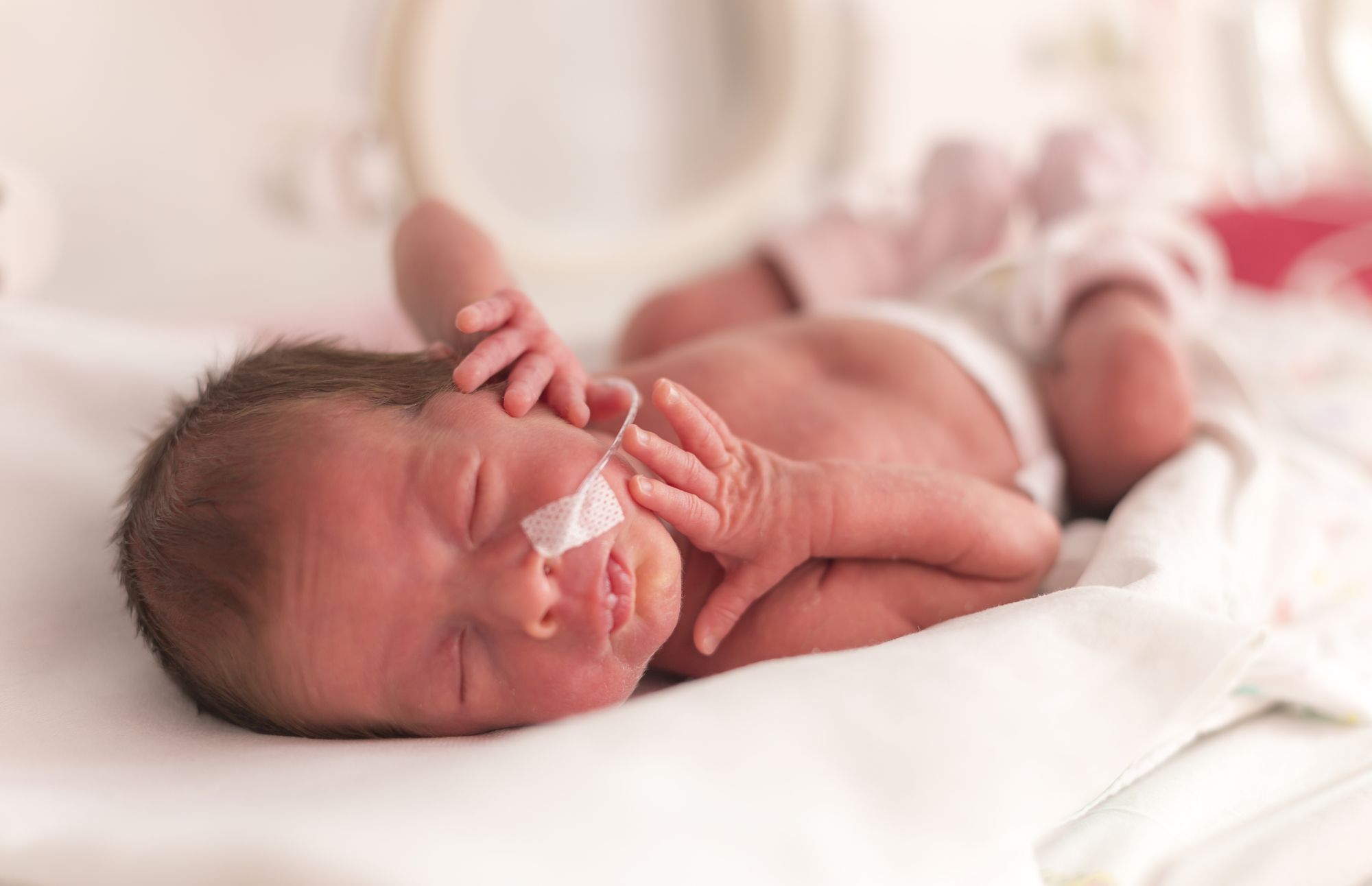
Retinopathy of prematurity (ROP) is an eyesight condition that primarily affects premature infants born before 31 weeks of gestation and weighing 2 ¾ pounds or less. If allowed to progress, this condition can result in baby blindness and can put physicians at risk for medical malpractice lawsuits.
It is estimated that approximately 15,000 infants are born with retinopathy of prematurity each year, with 90% of them in stage 1 or stage 2. However, about 1,100 to 1,500 infants born with ROP are serious enough to require treatment, with 400 to 600 cases resulting in baby blindness.
Medical professionals are expected to make as prompt and accurate diagnosis as possible and to advise the parents of follow-up care to ensure the infant’s sight is unaffected. Baby blindness caused by retinopathy of prematurity is preventable, making early diagnosis vital for seeking treatment options.
This condition can be treated in various ways, with cryotherapy being one of the most popular methods. Other treatments include: oxygen treatment, laser therapy, vitrectomy surgery, and retina repair surgery.
Overview of Baby Blindness Progression
Retinopathy of prematurity is an eye condition that occurs in small premature infants, which have not gone through the last stages of gestational development. During these last stages of development, the baby’s eyes develop and would ideally be formed upon birth.
However in these cases of ROP, small abnormal blood vessels develop in the eyes that are fragile in nature and prone to breaking. While most cases of ROP can resolve themselves, severe cases require treatment and can potentially result in baby blindness.
The severity of of retinopathy of prematurity range from stage 1 to stage 5, in which the retina has been completely detached and baby blindness is imminent:
- Stage 1: Abnormal blood vessel growth is mild, with most infants being able to recover on their own with no treatment needed.
- Stage 2: Abnormal blood vessel growth is moderate, with most infants being able to recover without treatment.
- Stage 3: Abnormal blood vessel is severe, with some infants able to recover on their own, but treatment is normally advised especially if the infant has “Plus Disease.” This condition occurs when the blood vessels are enlarged and twisted, which causes their ROP to worsen. However, baby blindness can typically be prevented at this stage if treatment is implemented.
- Stage 4: Abnormal blood vessel growth is severe, at which point the retina is partially detached.
- Stage 5: Abnormal blood vessel growth is severe, at which point the retina is completely detached.
Retinopathy of prematurity was discovered in 1942, and doctors have since been developing different treatment methods to prevent baby blindness.
However, the most important aspects of baby blindness prevention is diagnosing the condition at an early stage and stressing the importance of follow-up care to the patients. If the physician does not specialize in ROP, they should refer the parents to a specialist.
Medical professionals may face medical malpractice allegations if they fail to correctly diagnose ROP and allow it to progress to latent stages. Potential claimants should contact a knowledgeable lawyer to determine eligibility for a retinopathy of prematurity lawsuit.
Do YOU have a legal claim? Fill out the form on this page now for a free, immediate, and confidential case evaluation. The hip implant attorneys who work with Top Class Actions will contact you if you qualify to let you know if an individual lawsuit or class action lawsuit is best for you. [In general, metal hip implant lawsuits are filed individually by each plaintiff and are not class actions.] Hurry — statutes of limitations may apply.
ATTORNEY ADVERTISING
Top Class Actions is a Proud Member of the American Bar Association
LEGAL INFORMATION IS NOT LEGAL ADVICE
Top Class Actions Legal Statement
©2008 – 2026 Top Class Actions® LLC
Various Trademarks held by their respective owners
This website is not intended for viewing or usage by European Union citizens.
Get Help – It’s Free
Join a Free Retinopathy of Prematurity Class Action Lawsuit Investigation
If you qualify, an attorney will contact you to discuss the details of your potential case at no charge to you.
Please Note: If you want to participate in this investigation, it is imperative that you reply to the law firm if they call or email you. Failing to do so may result in you not getting signed up as a client, if you potentially qualify, or getting you dropped as a client.
E-mail any problems with this form to:
[email protected].
Oops! We could not locate your form.