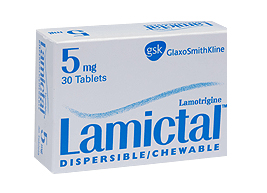
 People who are under treatment for epilepsy and bipolar disorder are often prescribed Lamictal or Lamictal XR. This epilepsy medication is very effective but has been linked to a lethal skin rash known as Stevens Johnson Syndrome. A number of Lamictal lawsuits accuse the drug maker of negligently failing to warn about this risk, but differences in the U.S. Food and Drug Administration (FDA) rules regarding exclusivity and patents may play a role in who is actually responsible for this warning.
Stevens Johnson Syndrome is an immune system disorder that can quickly lead to skin death, tear duct damage and blindness, among other concerns. SJS has been linked to dozens of medications; however, federal courts have been inconsistent about who may be at fault if a drug causes a dangerous medical condition like SJS.
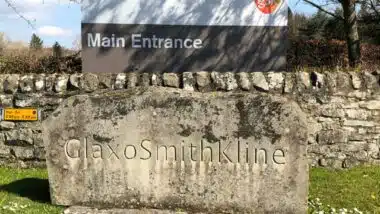
That matters in the case of people who have taken the generic, non-extended release variant of Lamictal, which has been on the market for several years. For example, the Supreme Court ruled in an SJS lawsuit that generic drug makers cannot be held liable for design defect and failure to warn claims. Lower jurisdictions were divided on whether or not the original patent holder, in this case GlaxoSmithKline, can be a defendant if they did not produce the generic version that caused SJS.
While that may come before the Supreme Court in the near future, the good news is that it does not affect people who take the extended-release version of Lamictal and developed Stevens Johnson Syndrome side effects. While the FDA’s exclusivity for the epilepsy treatment runs out on April 25, 2014, the earliest patent for Lamictal XR in 25 to 200 milligram dosages was approved in 2009. It will take years before a generic Lamictal version comes onto the market.
It is important to note that in both variants of the medication, there are still questions of liability and people who took the generic version of the regular drug may still have legal remedies available to them. SJS lawyers will have a shorter path to a legal remedy from GlaxoSmithKline if people who have dealt with the condition did so while taking the extended-release tablet.
In general, SJS lawsuits are filed individually by each plaintiff and are not class actions.
Do YOU have a legal claim? Fill out the form on this page now for a free, immediate, and confidential case evaluation. The attorneys who work with Top Class Actions will contact you if you qualify to let you know if an individual lawsuit or class action lawsuit is best for you. Hurry — statutes of limitations may apply.
ATTORNEY ADVERTISING
Top Class Actions is a Proud Member of the American Bar Association
LEGAL INFORMATION IS NOT LEGAL ADVICE
Top Class Actions Legal Statement
©2008 – 2026 Top Class Actions® LLC
Various Trademarks held by their respective owners
This website is not intended for viewing or usage by European Union citizens.
Get Help – It’s Free
Help for Victims of Stevens Johnson Syndrome
If you or a loved one were diagnosed with Stevens Johnson Syndrome (SJS) or toxic epidermal necrolysis (TEN) after taking a prescribed or over-the-counter medication, you may be eligible to take legal action against the drug’s manufacturer. Filing an SJS lawsuit or class action lawsuit may help you obtain compensation for medical bills, pain and suffering, and other damages. Obtain a free and confidential review of your case by filling out the form below.
An attorney will contact you if you qualify to discuss the details of your potential case at no charge to you.
Oops! We could not locate your form.