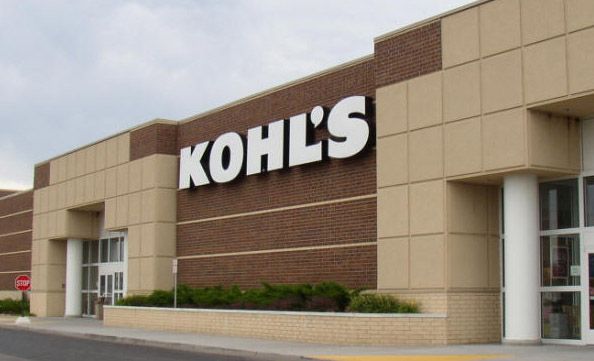
 A Florida consumer is suing Kohl’s Department Stores Inc. for “repeated violations of the Telephone Consumer Protection Act,” alleging the retailer did not stop robocalling her cell phone, even after she requested the calls to stop.
Plaintiff Jessica A. alleges the Kohl’s robocalls came from several different telephone numbers with widely varying area codes.
The calls were placed with an automated telephone dialing system, or ATDS, according to the TCPA lawsuit. During these calls, the Plaintiff would hear a period of silence or dead air before disconnecting the call, and was never connected with a live representative. This “dead air” is usually a sign that an automated dialing system (ATDS) was used.
The Telephone Consumer Protection Act (TCPA) prohibits the use of automated dialing equipment.
The plaintiff alleges in the Kohl’s TCPA lawsuit that the ATDS used by Kohl’s is a “Predictive Dialer,” or “a dialing system that automatically dials consumers’ telephone numbers in a manner that “predicts” the time when a consumer will answer the phone and a [representative] will be able to take the call.”
Even after the Plaintiff directly contacted Kohl’s and directed the company to stop calling her, she alleges Kohl’s continued calling.
Because of the Kohl’s TCPA lawsuit, the Plaintiff may be entitled to an award of $500 per Kohl’s robocall made in “negligent violation” of TCPA rules, and up to $1,500 per Kohl’s robocall made in “knowing and/or willful violation.”
TCPA Protects Consumers from Unwanted Phone Calls
The Telephone Consumer Protection Act of 1991 (TCPA) was intended to protect consumers from unwanted solicitation. This includes the placement of robocalls (or the use of an automated dialing machine and/or a pre-recorded message, including SMS text messages) to reach consumers. Nevertheless, many companies choose to perform these kinds of calls anyway.
Simply knowing what TCPA violations are may allow consumers to collect a substantial amount of money per violation.
Actions by a company that are prohibited under the Telephone Consumer Protection Act generally include:
- Calls placed to residences before 8:00 am or after 9:00 pm, local time
- Calling consumers who specifically asked the company not to call them (i.e. consumers on the company’s do-not-call list)
- Calling consumers on the National Do Not Call Registry
- Failing to identify the person or entity on whose behalf the call is being made
- Using an artificial voice or a recorded message
- Using an automated dialing machine to place the call
- Sending unsolicited advertising faxes
Note that these restrictions do not apply if you have provided prior express consent to be contacted, which negates do-not-call status and considers texts or calls solicited. This can occur if, in signing up for a program or service, the small print included sending texts and/or phone calls to provide, for instance, offers and deals from the company. Consumers can, of course, deregister from these kinds of programs.
Prior to 2013, prior express consent included oral or implied approval to receive calls, such as providing your phone number to a company.
The Federal Communications Commission decided on Oct. 16, 2013, that “prior express consent” had to involve a signed, written agreement that specifically agreed to receive these kinds of calls.
Companies such as WalMart, Rite Aid, American Eagle, Wells Fargo, Chase Bank, and Kohl’s have allegedly violated the TCPA, and have recently been involved in TCPA class action lawsuits.
If you have received these kinds of calls or texts, and you believe them to be in violation of the TCPA, you may be eligible to receive compensation. In order to be involved in a class action lawsuit against a company for TCPA violations, you will need to keep a good record of your experience with these messages and calls. Do not delete messages or phone records, and keep written record of violations.
Join a Free TCPA Class Action Lawsuit Investigation
If you were contacted on your cell phone by a company via an unsolicited text message (text spam) or prerecorded voice message (robocall), you may be eligible for compensation under the Telephone Consumer Protection Act.
ATTORNEY ADVERTISING
Top Class Actions is a Proud Member of the American Bar Association
LEGAL INFORMATION IS NOT LEGAL ADVICE
Top Class Actions Legal Statement
©2008 – 2026 Top Class Actions® LLC
Various Trademarks held by their respective owners
This website is not intended for viewing or usage by European Union citizens.

Legal help for mental harm caused by social media addiction in young users
May 6, 2026 | social media