 A U.S. magistrate judge has issued a protective order in a case involving allegations that Johnson’s Baby Powder caused a woman to develop ovarian cancer, indicating that the lawsuit will continue despite Johnson & Johnson’s attempts to dismiss it.
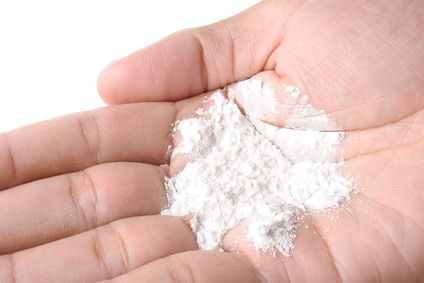
The Johnson’s Baby Powder lawsuit, filed by Illinois plaintiff Lynne C. in June, alleges the Illinois woman developed ovarian cancer after using Johnson’s Baby Powder and Shower to Shower body powder for feminine hygiene purposes for close to 20 years.
Lynne accuses Johnson & Johnson of failing to warn about the ovarian cancer risk associated with using the talcum powder products. Lynne was diagnosed with ovarian cancer on May 14, 2012, after using Johnson & Johnson’s talcum powder products since 1992. The baby powder cancer lawsuit claims the plaintiff never would have used the products for feminine hygiene had she known they could cause ovarian cancer.
U.S. Magistrate Judge Stephen C. Williams approved a motion for a protective order in the baby powder cancer lawsuit on December 8, which will allow discovery to proceed between the parties, stipulating how confidential or protected information will be handled.
The purpose of the protective order is to expedite the flow of discovery materials and applies to all pre-trial documents and deposition testimonies offered as evidence at trial and will still be permitted to use the protected information in subsequent litigation.
Purpose Of Protective Orders
In evaluating requests for protective orders governing discovery, courts have considered various factors, including:
- confidentiality interests at issue
- need to protect public health and safety interests
- fairness and efficiency of entering a protective order
- importance of the litigation to the public
The law also emphasizes that courts maintain discretion to modify protective orders, which can often act as a mechanism for protecting the interests of the public, the press, and collateral litigants.
Baby Powder Ovarian Cancer Lawsuits
In April 2014, a baby powder class action lawsuit was filed against Johnson & Johnson, alleging that the company failed to adequately warn consumers about the potential risk of ovarian cancer from talcum powder. Plaintiffs in that case maintain that talcum powder is not safe for use as a feminine hygiene product, and that Johnson & Johnson has withheld information about the link to ovarian cancer for decades.
In October 2013, a South Dakota jury found that Johnson & Johnson failed to adequately warn about the risk of ovarian cancer from talcum powder products. The plaintiff in the lawsuit was diagnosed with ovarian cancer in 2006 after using Shower to Shower body powder for 30 years.
Lynne C. raises similar allegations to those brought by other women, pursuing claims for failure to warn, negligence, breach of warranty, and civil conspiracy. She is seeking compensatory damages in excess of $350,000.
Do YOU have a legal claim? Fill out the form on this page now for a free, immediate, and confidential case evaluation. The attorneys who work with Top Class Actions will contact you if you qualify to let you know if an individual lawsuit or class action lawsuit is best for you. [In general, baby powder cancer lawsuits are filed individually by each plaintiff and are not class actions.] Hurry — statutes of limitations may apply.
ATTORNEY ADVERTISING
Top Class Actions is a Proud Member of the American Bar Association
LEGAL INFORMATION IS NOT LEGAL ADVICE
Top Class Actions Legal Statement
©2008 – 2026 Top Class Actions® LLC
Various Trademarks held by their respective owners
This website is not intended for viewing or usage by European Union citizens.
Get Help – It’s Free
Join a Free Baby Powder Cancer Class Action Lawsuit Investigation
If you used Johnson’s Baby Powder, Shower to Shower, or another talcum powder product and were diagnosed with ovarian cancer, you may have a legal claim. Family members of loved ones who died of ovarian cancer can also join. Submit your information now for a free case evaluation.
An attorney will contact you if you qualify to discuss the details of your potential case at no charge to you.