 An implantable blood filter used to prevent pulmonary embolisms and other damage caused by blood clots may come with its own set of complications, some of which can be just as dangerous as the condition the filter was meant to prevent.
An inferior vena cava filter (IVC filter) is used to prevent potentially destructive complications of a condition known as deep vein thrombosis, or DVT. DVT is the formation of blood clots somewhere in the deep veins.
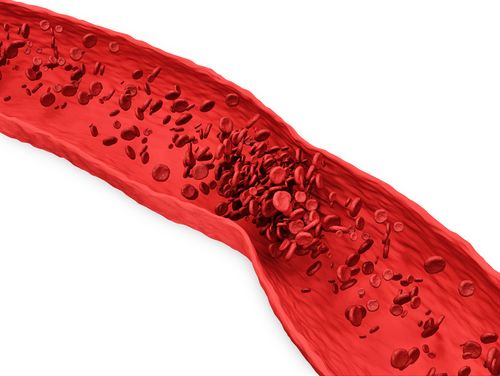
These clots most frequently form in the legs or hips. They have the potential to break loose and travel through the bloodstream to the lungs, causing a separate condition known as a pulmonary embolism, or PE. PE blocks blood flow to the lungs. If it’s large enough, it may also block blood flow to the heart itself. The condition is potentially deadly: on average, as many as 200,000 deaths in the United States per year are related to PE.
IVC filters are intended to block blood clots from the lower part of the body from reaching the lungs and causing PE. The filter then holds on to the blood clot while enzymes in the blood get a chance to break it down and flush its remains away.
Structurally, an IVC filter is a small metal device that’s positioned inside the inferior vena cava, the large vein that takes deoxygenated blood back to the heart. A physician places the filter into the veingusing a catheter inserted through an incision in the groin or the neck. While some IVC filters are designed to be permanent, others may be removed.
IVC Filter Complications
The FDA issued a safety communication in 2010 based on reports of IVC filter complications received by the federal agency’s adverse event reporting system. The communication stated that over the previous five years, the agency had received 921 adverse event reports involving IVC filters.
The most common such event was migration of the device from its proper position. Other patients reported embolizations, or detachment of device components. Many reported perforation of the vein wall, and some filters fractured.
The FDA theorized that many of these adverse events may have been related to leaving optionally-retrievable filters in place after the risk of PE had subsided. Based on this history of adverse events, the FDA recommended that physicians remove retrievable IVC filters as soon as they were no longer necessary to prevent PE.
Recent studies have also drawn attention to a variety of IVC filter complications. One study published in JAMA Internal Medicine reviewed the medical records of 952 patients who received retrievable IVC filters. The researchers found that unusual IVC complications occurred in one percent of the cases studied.
These complications included perforation of the filter through the wall of the vein, migration of the filter away from where it was placed, and formation of dangerous blood clots at the filter site. Three percent of the attempts to extract the retrievable filters failed. And five percent of IVC filter patients developed PE anyway, despite having the IVC filter in place.
Another study, published in the journal Circulation, examined the results in patients who had received permanent IVC filters. After several years, while many patients did show a decreased risk of PE, many were actually more likely to develop DVT. And the survival rate of patients with filters was in fact no different than the rate for those with no filter.
In general, IVC filter lawsuits are filed individually by each plaintiff and are not class actions.
Do YOU have a legal claim? Fill out the form on this page now for a free, immediate, and confidential case evaluation. The attorneys who work with Top Class Actions will contact you if you qualify to let you know if an individual lawsuit or class action lawsuit is best for you. Hurry — statutes of limitations may apply.
ATTORNEY ADVERTISING
Top Class Actions is a Proud Member of the American Bar Association
LEGAL INFORMATION IS NOT LEGAL ADVICE
Top Class Actions Legal Statement
©2008 – 2026 Top Class Actions® LLC
Various Trademarks held by their respective owners
This website is not intended for viewing or usage by European Union citizens.
Get Help – It’s Free
Join a Free IVC Filter Class Action Lawsuit Investigation
If you or a loved one were injured by IVC filter complications, you may have a legal claim. See if you qualify to pursue compensation and join a free IVC filter class action lawsuit investigation by submitting your information for a free case evaluation.
An attorney will contact you if you qualify to discuss the details of your potential case.
Oops! We could not locate your form.