 The FDA has issued a new drug safety communication that warns about the risk of diabetic ketoacidosis associated with use of the drug Invokana.
What is Invokana?
Invokana, also known by its generic name canagliflozin, is a relatively new drug used in conjunction with diet and exercise to reduce the high levels of blood sugar associated with type-2 diabetes. It was first approved by the FDA as a diabetic medication in March 2013.
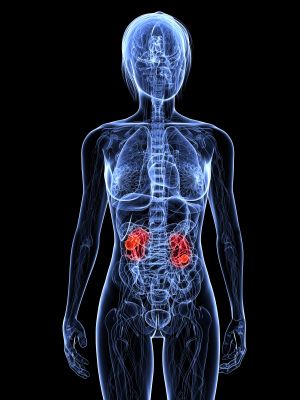
Invokana is one of a class of diabetes medications known as SGLT2 inhibitors. These medications lower blood sugar by stimulating the kidneys to transfer more sugar than normal from the blood to the urine. Besides Invokana, other medications in this class include Farxiga (dapagliflozin) and Jardiance (empagliflozin). These medications can be used in combination with certain other diabetes medications like metformin or linagliptin, and some drug manufacturers combine these types of drugs under a single brand name.
To date, the FDA’s approval for SGLT2 inhibitors extends only to their use for type-2 diabetes, not type-1. The FDA has not evaluated the safety and efficacy of these medications as treatments for type-1 diabetes.
The FDA released this communication in May 2015 in response to reports made to its Adverse Events Reporting System. From March 2013 (when Invokana was first approved for sale) to June 2014, the system received reports of 20 cases of diabetic ketoacidosisin patients who were taking Invokana or other SGLT2 inhibitors. All 20 cased required hospitalization or emergency room treatment.
What Is Ketoacidosis?
Diabetic ketosis happens when the body does not produce enough insulin. Without adequate levels of insulin, cells can’t get an adequate supply of sugar from the blood. When that happens, the body starts breaking down fat as an alternative source of energy. But the breakdown of fat produces toxic by-products called ketones. These ketones build up in the bloodstream, increasing its acidity; altered blood acidity can put a patient’s health at serious risk.
This excess of ketones in the bloodstream is what’s known as ketoacidosis. Diabetes patients who are at risk for low insulin levels or who get inadequate insulin therapy are at risk for developing diabetic ketoacidosis.
The condition may present with symptoms such as breath that smells fruity, greater thirst than normal, more frequent urination, nausea and vomiting, confusion, or fatigue. Treatment typically requires replacement of fluids and electrolytes and administration of insulin. If left untreated, diabetic ketoacidosis can be fatal.
Diabetic ketoacidosis is more typically associated with type-1 diabetes, not type-2, which is why the increased instance of that condition in persons taking Invokana for type-2 diabetes has caught the FDA’s attention.
The FDA is now advising patients taking Invokana to get immediate medical attention if they notice symptoms such as “difficulty breathing, nausea, vomiting, abdominal pain, confusion, and unusual fatigue or sleepiness.” They are also advising physicians to monitor their patients for signs of diabetic ketoacidosis and to discontinue SGLT2 therapy if acidosis does develop.
The FDA also warns that in addition to ketoacidosis, SGLT2 inhibitors may also lead to kidney problems, yeast infections, dehydration, and high cholesterol. They can also lead to excessively low blood sugar when taken in combination with other diabetes medications.
In general, diabetes medication lawsuits are filed individually by each plaintiff and are not class actions.
Do YOU have a legal claim? Fill out the form on this page now for a free, immediate, and confidential case evaluation. The attorneys who work with Top Class Actions will contact you if you qualify to let you know if an individual lawsuit or class action lawsuit is best for you. Hurry — statutes of limitations may apply.
ATTORNEY ADVERTISING
Top Class Actions is a Proud Member of the American Bar Association
LEGAL INFORMATION IS NOT LEGAL ADVICE
Top Class Actions Legal Statement
©2008 – 2026 Top Class Actions® LLC
Various Trademarks held by their respective owners
This website is not intended for viewing or usage by European Union citizens.
Get Help – It’s Free
Join a Free Diabetes Medication Class Action Lawsuit Investigation
If you or a loved one suffered ketoacidosis or kidney failure after taking Invokana, Invokamet, Farxiga, Xigduo XR, Jardiance or Glyxambi, you may have a legal claim. See if you qualify to pursue compensation and join a free diabetes medication class action lawsuit investigation by submitting your information for a free case evaluation.
An attorney will contact you if you qualify to discuss the details of your potential case.
Oops! We could not locate your form.