 Patients and medical professionals are concerned over the recent allegations regarding popular type-2 diabetes treatment drugs and the serious side effects reported.
In particular, Invokana and other drugs in its medication class have been allegedly causing numerous patients to develop diabetic ketoacidosis.
At this point, scientists do not know the exact cause of the Invokana ketoacidosis mechanism but are advising patients and prescribing doctors to be wary.
Diabetic ketoacidosis, or ketosis, occurs when high levels of ketones are formed in the blood after the body becomes unable to absorb glucose from cells.
When this occurs, the body is forced to break down fat as an energy source and ketones are produced as a byproduct. This causes the blood to become very acidic, which can become quickly fatal if not promptly treated.
The Invokana ketoacidosis mechanism may greatly affect kidney function, as this organ is primarily responsible for filtering glucose from the blood and then filters out the toxins through urination.
Invokana and other SGLT2 inhibitors prevent blood sugar levels from reaching dangerous levels through this filtration process.
Overview of the Invokana Ketoacidosis Mechanism
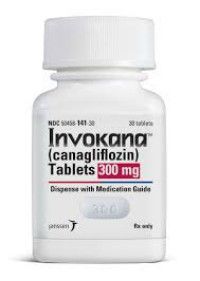
Invokana (canagliflozin) is a member of the SGLT2 inhibitor medication class which works by signaling the body to make insulin during meal periods. Insulin is needed to transport glucose from cells and allow for the body to properly metabolize when extracting nutrients and energy from food.
Typically type-2 diabetes patients have trouble producing adequate amounts of insulin, creating a need for Invokana and other diabetic treatment drugs.
This drug was the first of its kind, approved in 2013, with many hopeful it would be an effective treatment method for patients who were not responding to other medications.
This drug has proven to be widely successful for manufacturing company Johnson & Johnson, as it is estimated that over 450,000 Invokana prescriptions are filled every three months in the United States.
Even though the drug is highly popular, there was tremendous concern surrounding Invokana’s approval by different consumer groups such as Public Citizen.
The organization stated that similar earlier drugs like Avandia had already caused serious injuries, and that there was insufficient information regarding Invokana’s side effects.
The recent concern surrounding the alleged Invokana ketoacidosis mechanism has only raised the awareness and spurred a recent FDA warning.
According to medication data company IMS Health, 457 serious adverse event reports regarding Invokana were identified in the second quarter of 2014 alone.
This prompted the FDA to issue a public warning regarding the potential Invokana ketoacidosis mechanism in 2015, stating it had received at least 20 injury reports pointing to the drug and other SGLT2 inhibitors between March 2013 and June 2014.
After the FDA’s public warning, numerous patients have come forward stating their diabetic conditions have worsened due to the Invokana ketoacidosis mechanism.
Invokana patients who believe they have developed diabetic ketoacidosis may be eligible to for legal action, and should contact a specialized attorney.
In general, Invokana lawsuits are filed individually by each plaintiff and are not class actions.
Do YOU have a legal claim? Fill out the form on this page now for a free, immediate, and confidential case evaluation. The attorneys who work with Top Class Actions will contact you if you qualify to let you know if an individual lawsuit or class action lawsuit is best for you. Hurry — statutes of limitations may apply.
ATTORNEY ADVERTISING
Top Class Actions is a Proud Member of the American Bar Association
LEGAL INFORMATION IS NOT LEGAL ADVICE
Top Class Actions Legal Statement
©2008 – 2026 Top Class Actions® LLC
Various Trademarks held by their respective owners
This website is not intended for viewing or usage by European Union citizens.
Get Help – It’s Free
Join a Free Invokana Class Action Lawsuit Investigation
If you or a loved one suffered ketoacidosis or kidney failure after taking Invokana, you may have a legal claim. See if you qualify to pursue compensation and join a free diabetes medication class action lawsuit investigation by submitting your information for a free case evaluation.
An attorney will contact you if you qualify to discuss the details of your potential case.
Please Note: If you want to participate in this investigation, it is imperative that you reply to the law firm if they call or email you. Failing to do so may result in you not getting signed up as a client, if you qualify, or getting you dropped as a client.
Oops! We could not locate your form.