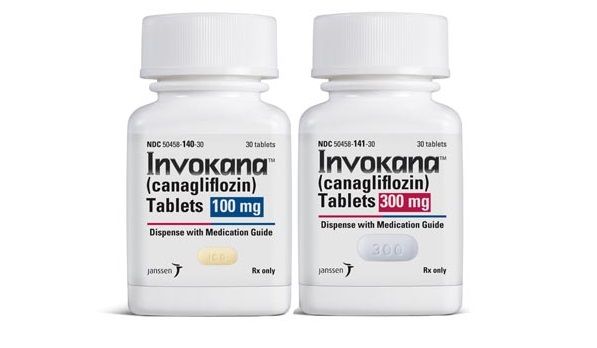
 The Federal Food and Drug Administration is warning that a class of diabetes medications that includes the popular drug Invokana can lead to a serious condition known as diabetic ketoacidosis.
The class of medications, know as sodium-glucose cotransporter-2 (SGLT2) inhibitors, treats low blood sugar in adults with Type-2 diabetes. The condition, which is characterized by excessive acid levels in the blood, can result in severe complications.
How Invokana Works
Type-2 diabetes is a disorder in which the body is unable to regulate blood sugar levels. Elevated blood sugar levels cause sufferers to experience symptoms that include fatigue, lightheadedness, difficulty concentrating, increased risk of infection and difficulty healing from wounds.
Invokana was designed to lower blood sugar by making the kidneys eliminate excess glucose from the blood stream. They do this by passing the excess glucose through the urine.
The FDA approved Invokana in 2013, making it one of the first SGLT2 oral diabetes medications to reach the market. Reports of complications began surfacing shortly thereafter, and the number of patients coming forward with reports of serious Invokana side effects is continuing to rise.
Complications Associated with Invokana Side Effects
Researchers now believe Invokana may be linked to the development of a condition called ketoacidosis. Diabetic ketoacidosis occurs when the body produces too many acids, such as ketones, in the blood system. It can result in a diabetic comatose state and severe damage to vital organs if left untreated.
Ketoacidosis symptoms include:
- Trouble breathing
- Nausea
- Vomiting
- Abdominal pain
- Confusion or difficulty concentrating
- Unusual fatigue or sleepiness
- Dry or flushed skin
In addition to ketoacidosis, Invokana and SGLT2 drugs have also been linked to:
- Breast and bladder cancer
- Pancreatitis
- Yeast infections
- Bone fractures
FDA Issues Invokana Ketoacidosis Warning
In May of 2015, the FDA released its first warning that Invokana may be linked to an increased risk of ketoacidosis. The FDA issued the warning after receiving numerous reports in which Invokana users developed ketoacidosis and suffered injuries including diabetic coma and death.
The agency launched a deeper investigation into the matter after the first warning, and released another safety communication in December 2015.
The December 2015 communication required SGLT2 drugs to carry a warning about two specific conditions: diabetic ketoacidosis and urinary tract infections.
Invokana Lawsuit Information
Individuals around the country who believe that Invokana caused their ketoacidosis are taking legal action against the drug’s manufacturers. If you suffered from ketoacidosis side effects after taking Invokana, you may be eligible to file an Invokana lawsuit as well.
In general, Invokana lawsuits are filed individually by each plaintiff and are not class actions.
Do YOU have a legal claim? Fill out the form on this page now for a free, immediate, and confidential case evaluation. The attorneys who work with Top Class Actions will contact you if you qualify to let you know if an individual lawsuit or class action lawsuit is best for you. Hurry — statutes of limitations may apply.
ATTORNEY ADVERTISING
Top Class Actions is a Proud Member of the American Bar Association
LEGAL INFORMATION IS NOT LEGAL ADVICE
Top Class Actions Legal Statement
©2008 – 2026 Top Class Actions® LLC
Various Trademarks held by their respective owners
This website is not intended for viewing or usage by European Union citizens.
Get Help – It’s Free
Join a Free Invokana Class Action Lawsuit Investigation
If you or a loved one suffered ketoacidosis or kidney failure after taking Invokana, you may have a legal claim. See if you qualify to pursue compensation and join a free diabetes medication class action lawsuit investigation by submitting your information for a free case evaluation.
An attorney will contact you if you qualify to discuss the details of your potential case.
Oops! We could not locate your form.