
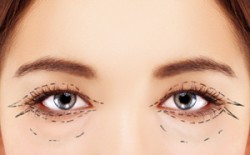
 In some cases, reconstructive surgery may be covered by insurance. Reconstructive eyelid surgery, or an “eye lift,” is sometimes deemed medically necessary in order to improve the function of an eye, particularly when it’s considered abnormal. The technical name for an eye lift is a blepharoplasty, and surgery can be considered cosmetic, reconstructive or functional. This surgery can also address defects that may be caused from trauma or a tumor-ablative surgery. Other times, reconstructive eyelid surgery is necessary to correct deformities.
How an insurance company translates and processes this eye lift procedure can make the difference between it being covered and the eye lift patient having to foot all or part of the bill. It’s no surprise that any surgery can be costly. However, what happens if a patient gets an eye lift for functional or reconstructive reasons thinking that their insurance company will cover some or all of the procedure, but that doesn’t happen?
In some instances, patients have claimed that insurance companies are wrongly denying their claims in bad faith. Some patients are alleging that their insurance company either should have paid for some or all of the eye lift procedure, and/or they were told it would be covered, but they’re still being personally charged for medical costs. Some insurance companies specifically state that they will provide coverage for reconstructive eyelid surgery when it’s considered “medically necessary.” This of course requires that the patient falls into stringent guidelines.
What an Insurer Needs
There are many instances where an eye lift can be considered necessary. Most commonly, blepharoplasty is medically necessary when dermatochalasis is an issue, where the tissue of the upper eyelid hangs over the eye margin causing vision problems.
Other medically necessary problems may include the repair of ptosis, entropion, trichiasis, ectropion, entropion and eyelid retraction. One way doctors determine if surgery is necessary is with visual field testing. This determines how well a person can say and if there is a visual impairment that surgery may repair.
If there’s significant impairment of the visual fields (many insurance providers define this as greater than 30 degrees of fixation), photographic evidence may be required when filing an eye lift claim. If eye muscles are lax and leading to functional impairment, records that document this must be submitted.
Eyelids that turn inward or outward, if the cornea is exposed, issues caused from nerve palsy or thyroid diseases, and painful side effects from blepharospasm, may all indicate that surgery is required. Many times, lower eye lifts are considered cosmetic, but there are exceptions when they are also medically necessary.
Patients must submit proper documentation in order for insurance companies to cover procedures, which may include office records, descriptions of visual impairment (if applicable), Goldmann Perimeter results, photodocumentations, lateral photographs and possibly additional photos.
The requirements for coverage can vary depending on the insurance company. However, your physicians(s) should be able to provide all requested documentation to you. When considering a lower eyelid lift, it’s prudent to keep in mind that this is almost always considered cosmetic and may require more evidence and documentation than an upper eyelid lift.
Why Some Insurance Companies are Denying Eye Lift Claims
Sometimes insurance companies rightfully deny claims. It’s the responsibility of policyholders to ensure that all claims and documentation is properly filed in a timely manner. However, there are a number of eye lift patients who are alleging that insurance companies are denying their surgery claims in bad faith. They’re claiming that their surgeries were medically necessary, were deemed so by physicians, and that they provided all requested documentation in order to have their claim covered but were still denied.
When this occurs, these patients can take legal action by filing a bad faith insurance lawsuit. These lawsuits are filed when an insurer is accused of denying a legitimate claim in bad faith, or against the terms of its contract with the policyholder.
Was Your Eye Lift Insurance Coverage Denied?
Did you undergo an eye lift surgery for medical reasons and feel you were wrongly denied your claim? Do you need the surgery but can’t schedule it because your insurer has already indicated it won’t cover the procedure? If so, you may qualify for a bad faith insurance lawsuit. See if you qualify now by submitting your information for a free case review.
Oops! We could not locate your form.
ATTORNEY ADVERTISING
Top Class Actions is a Proud Member of the American Bar Association
LEGAL INFORMATION IS NOT LEGAL ADVICE
Top Class Actions Legal Statement
©2008 – 2026 Top Class Actions® LLC
Various Trademarks held by their respective owners
This website is not intended for viewing or usage by European Union citizens.














One thought on Insurance Denied My Eye Lift Surgery — Now What?
My insurance (Premera) denied my eye lid surgery.