
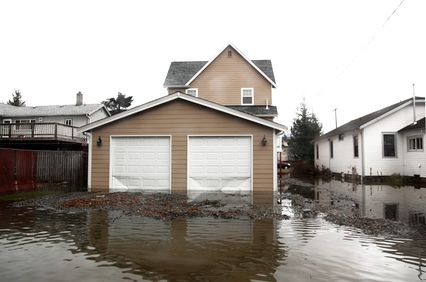
 For homeowners recovering from a natural disaster, it can be an ugly surprise to find their own mortgage company blocking payment of their homeowner’s insurance claim.
Many homeowners who have sudden catastrophic damage to their homes may be in for a rude awakening when they make a claim on their homeowner’s insurance. These insurance policies have what’s known as a “mortgagee clause” that gives the mortgage servicer control over the funds disbursed for repairs.
These clauses can delay payment of claim funds by several months, while the homeowner must either find some other way to finance repairs or let the house sit damaged.
Although these clauses appear in insurance policies, they’re typically not the insurance company’s idea. Usually it’s the mortgage servicer who requires these clauses as extra security for its financial interest in the property. They use these clauses for assurance that the homeowner will spend the funds only on necessary repairs.
Different mortgage servicers have different processes for handling these payments. Some banks require the insurance company to make checks payable to both the homeowner and the bank, so that the funds can’t be released until the bank endorses the check.
Others want to see evidence of the damage or an estimate of repair costs before releasing the funds. Stricter mortgage servicers may want to conduct their own inspection of the damage. Others will hold the funds in escrow until the repairs have been completed, forcing the homeowner to front the cost of repairs.
These processes can drag out the time for payment by several months. Meanwhile, the damage to the house can itself cause the homeowner’s expenses to snowball when months go by with no repair. For example, one victim of Hurricane Sandy racked up thousands of dollars in heating bills while waiting to replace his insulation.
If the homeowner must find other means to front repair costs, this delay can lead to catastrophic financial harm. It’s conceivable that under one of these insurance policies, a homeowner could pay his or her premiums as agreed and still be financially wiped out in the event of a disaster.
Some banks claim that exerting control over these funds protects the homeowner from unscrupulous contractors. However, it’s not clear how this system would benefit a homeowner who enters into even a bad agreement with a contractor and is then left unable to pay under that agreement.
Some insurance policies provide for a small, immediate payment to cover the most urgent repairs, but that amount may not be enough. Homeowners with Freddie Mac-backed mortgages can expect better treatment thanks to new guidelines issued by Fannie Mae in October 2014.
Such homeowners who are current on their payments or no more than 31 days delinquent can receive up to $40,000 or 10 percent of the unpaid principal balance, whichever is more. Homeowners who are over 31 days delinquent can also get immediate help, but their disbursements are limited to 25 percent of the insurance loss proceeds or $10,000, whichever is less.
Insurance attorneys are now investigating insurance property claim class action lawsuits, in which mortgage servicers may have improperly withheld insurance funds. For homeowners who have incurred financial or other harm, resulting from a delay in payment of an insurance claim, an insurance claim class action settlement may be a viable avenue to compensation.
Join a Free Insurance Property Claim Class Action Lawsuit Investigation
If you have experienced difficulty recovering insurance property claim money from your mortgage company, you may have a legal claim. Submit your information now for a free case evaluation. If you qualify, a lawyer will contact you to discuss the details of your case.
ATTORNEY ADVERTISING
Top Class Actions is a Proud Member of the American Bar Association
LEGAL INFORMATION IS NOT LEGAL ADVICE
Top Class Actions Legal Statement
©2008 – 2026 Top Class Actions® LLC
Various Trademarks held by their respective owners
This website is not intended for viewing or usage by European Union citizens.

Legal help for mental harm caused by social media addiction in young users
May 6, 2026 | social media










One thought on Insurance Claims Delayed by Mortgage Servicers