
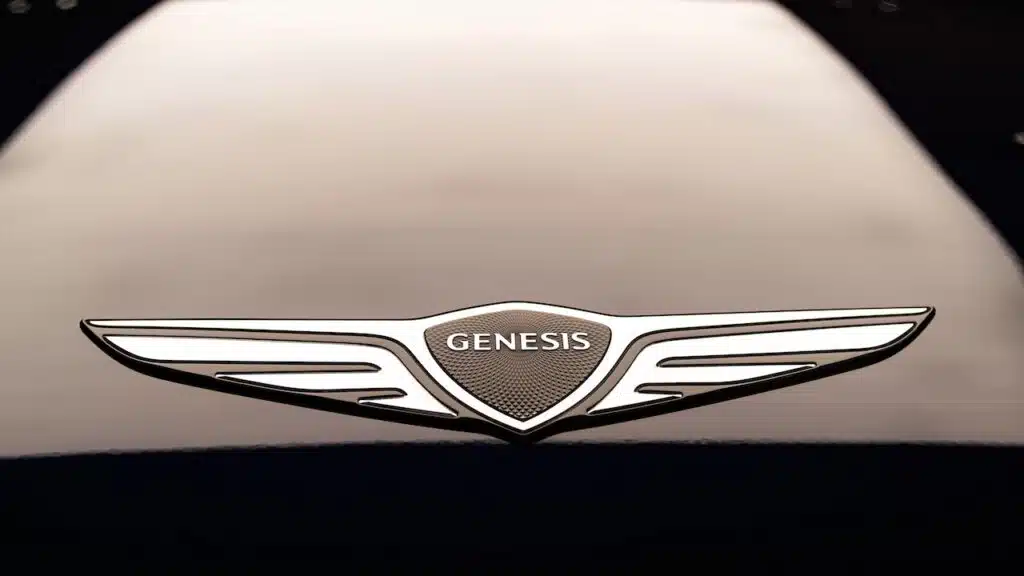
Hyundai recall overview:
- Who: Hyundai Motor America is recalling 83,877 vehicles, including various Genesis models.
- Why: A software error may cause the instrument panel display to fail, posing a safety risk.
- Where: The recall is effective in the United States.
Hyundai has initiated a recall for more than 83,000 vehicles due to a software malfunction that could lead to the failure of the instrument panel display.
This defect affects several models, including the 2025-2026 Genesis G80 and GV80 as well as the 2026 G80 Electrified, GV60, GV70 Electrified and GV70 vehicles.
The recall was announced on Jan. 16 by the National Highway Traffic Safety Administration (NHTSA) and applies to a total of 83,877 vehicles.
The issue addressed by the recall arises from a software error that prevents the instrument panel from displaying critical safety information such as the speedometer and fuel gauge, which could increase the risk of a crash.
According to the NHTSA, this defect fails to meet the Federal Motor Vehicle Safety Standard (FMVSS) number 101, “Controls and Displays”.
“An instrument panel display that fails to show critical safety information increases the risk of a crash,” the Hyundai recall says.
Hyundai recall: Owners should disable high-definition radio feature
Hyundai advises vehicle owners to disable the high-definition radio feature until the necessary updates are performed. The recall notice emphasizes the importance of addressing the software issue promptly to prevent potential accidents.
Hyundai is taking steps to resolve the issue by providing a free software update to all affected vehicles. This update can be performed either over-the-air or at authorized dealerships, ensuring that the instrument panel displays function correctly and comply with safety standards.
Owners of the affected vehicles will receive notification letters by mid-March, detailing the steps to take for the software update.
For more information about the recall, consumers can visit the Hyundai USA website or contact Genesis customer service at 844-340-9741.
Additionally, vehicle identification numbers (VINs) involved in this recall became searchable on NHTSA recall page starting Jan. 17, 2026.
Hyundai says it has not received any reports of injuries related to the recall so far. The company is not currently facing legal action over the recall, but Top Class Actions follows recalls closely as they sometimes lead to class action lawsuits.
In other news, Kia and Hyundai recently agreed to a $9 million multistate settlement to resolve claims that certain 2011–2022 Kia and Hyundai vehicles not equipped with engine immobilizers are at risk for theft.
Are you affected by this Hyundai recall? Let us know in the comments.
Don’t Miss Out!
Check out our list of Class Action Lawsuits and Class Action Settlements you may qualify to join!
Read About More Class Action Lawsuits & Class Action Settlements:
- Volvo class action alleges recalled vehicles have defective rearview cameras
- Class action claims InSinkErator disposals fail prematurely due to design flaws
- $6M BIPA settlement approved in YouTube and Google face recognition lawsuit
- Thrasio recalls Angry Orange enzyme stain removers due to bacterial risk







6 thoughts onHyundai recalls nearly 84K Genesis vehicles due to instrument panel display failure
Sunroof cracks 1 yr GV70 2025
add me
Yes I’m affected by the genesis recall. Please add me.
Add me
I have a Hyundai 2018. It Was not stolen , but am I able to have antide theft?
add me