 An increase in the use of flushable wipes is causing headaches for the New York Department of Environmental Protection.
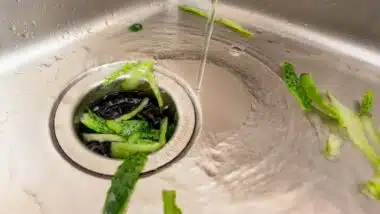
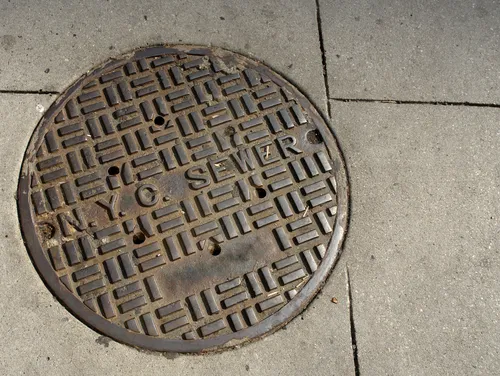
Officials say the sewer system is being overrun by baby wipes and adult wet wipes. Though these wipes are advertised as “flushable,” many of them don’t break down in a sewer system. Instead, they have the potential to combine with other materials and accumulate into what some refer to as “superknots.”
The findings reported by sewer officials are consistent with market research showing a huge increase in the popularity of flushable wipes.
While wipes were initially marketed more as a product for baby care, new products marketed for adult use have contributed to a significant increase in sales. Researchers estimate sales of flushable wipes grew 23 percent to $367 million between 2008 and 2013.
That increase in popularity is reflected in what’s now being pulled out of municipal sewer systems. The amount of flushable wipes pulled out of the New York sewer system has more than doubled since 2008.
One official estimated that these flushable wipes now account for 90 percent of the trash that needs to be removed from the sewer system.
That cleanup costs taxpayers about $3 million per year. In addition, New York has spent over $18 million in the past five years on equipment maintenance and repair attributable to flushable wipe buildup.
New York is not the only city whose sewer system has a flushable wipe problem. In 2013, London sewer workers discovered a mass of flushable wipes and food fats weighing in at 15 tons, nicknamed “the fatberg.”
Cleanup and repair in that case took about three weeks. Municipal sewage systems across the U.S. also report increasing problems related to these products.
The New York City Council proposed a bill to prevent manufacturers from labeling certain types of wipes as “flushable.” The New York DEP has also started working on a promotional campaign to encourage the public to throw their wipes in the trash.
The problem has ramifications for individual residents, too. Flushable wipes can clog up home wastewater systems and septic tanks, and clogs in the municipal system can back up into private homes.
One couple in Bloomington, Minn. won a $15,000 judgment against the city for just such a situation. In their lawsuit, they alleged that a sewer main backup caused their basement to be flooded with three inches of raw sewage on New Year’s Eve. The couple said their house smelled like sewage for three months. The city is now appealing the judgment.
Consumers may be wondering if these wipes don’t break down by themselves inside a sewer system, what exactly makes them “flushable”? One official from Charleston, W.Va. quipped that even a golf ball is “flushable,” but that doesn’t mean flushing it would be a good idea.
Consumer Reports tested some wipes against traditional toilet paper and found that while the toilet paper broke apart in water within seconds, some wipes were still intact after 10 minutes of immersion.
The question of what makes a particular product “flushable” could be the basis for a legal claim under many states’ consumer protection laws.
The consumer doesn’t necessarily have to wait for an unpleasant plumbing crisis in her home; the mere fact that she relied on a representation that wasn’t necessarily true can give rise to a legal claim.
Join a Flushable Wipes Class Action Lawsuit Investigation
If you purchased one of the following flushable wet wipes, you may qualify to join a free class action lawsuit investigation:
- Babyganics® flushable wipes
- Charmin Freshmates
- CVS flushable wipes
- Equate® flushable wipes by Wal-Mart
- Kandoo® flushable wipes by Pampers
- up & up® flushable wipes by Target
- Walgreens flushable wipes
- Other flushable wipe products
ATTORNEY ADVERTISING
Top Class Actions is a Proud Member of the American Bar Association
LEGAL INFORMATION IS NOT LEGAL ADVICE
Top Class Actions Legal Statement
©2008 – 2026 Top Class Actions® LLC
Various Trademarks held by their respective owners
This website is not intended for viewing or usage by European Union citizens.

Cellphone wrong-number robocalls could be worth $500-$1,500 per violation of the federal TCPA
April 13, 2026 | TCPA Class Action Lawsuits