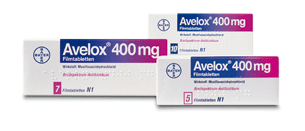
 According to documents from government regulators, the drug Avelox (moxifloxacin) may be linked to a rare but life-threatening reaction called Stevens Johnson Syndrome.
Avelox is a fourth-generation fluoroquinolone or quinolone antibiotic, the first all-synthetic family of antibiotics. When researchers first developed these drugs in the 1960s, it was hoped that their artificial nature would mean fewer side effects and a lower risk of antibiotic resistance.
However, in general, Avelox and other fluoroquinolones have demonstrated a similar level of safety and effectiveness to other antibiotics. Unfortunately, fluoroquinolones like Avelox do carry the risk of a rare but serious side effect called Stevens Johnson Syndrome, or SJS, according to FDA documents.
The FDA published a document advising that Avelox may cause Stevens Johnson Syndrome. The FDA documents described the reaction as a “severe skin rash.” While a skin rash may not sound serious to most people, SJS can be fatal, and even survivors may face a lifetime of complications.
Stevens Johnson Syndrome is a life-threatening autoimmune reaction to several medications, both over-the-counter and prescription, but it is still considered rare.
The fact that the disorder is somewhat uncommon makes it difficult for researchers to study SJS. Many questions remain about Stevens Johnson Syndrome’s treatment and causes, though it is known that the vast majority of cases can be linked to reactions to drugs like Avelox.
SJS symptoms include a painful rash with sores, blisters and ulcers. Some SJS cases also damage the eyes and internal organs, potentially causing blindness and organ damage.
The most extreme cases of Stevens Johnson Syndrome may progress to a more severe form of the disorder called Toxic Epidermal Necrolysis, or TEN. With SJS, up to 30 percent of the body is affected; with TEN, up to 100 percent of the skin’s surface is infected.
In fact, many ICUs treat SJS and TEN in their burn wards, since patients face many of the same challenges as those suffering from thermal burns. TEN is even more deadly than SJS, with a mortality rate of around 40 percent.
While Stevens Johnson Syndrome and Toxic Epidermal Necrolysis are relatively rare, this is little consolation to patients who have their lives torn apart by these diseases—or their next of kin. SJS lawsuits have been filed by patients who develop SJS and TEN from Avelox and other drugs.
These SJS lawsuits may be filed against drug companies, alleging that they have not done enough to protect the public from the risk of these reactions. In other cases, SJS lawsuits have been filed against medical professionals and hospitals, alleging that they have mismanaged Stevens Johnson Syndrome cases or failed to recognize the disease early on, leading to needless suffering.
SJS lawsuits typically seek to recoup the cost of medical care, lost wages, legal fees, and other costs allegedly linked to Stevens Johnson Syndrome.
Do YOU have a legal claim? Fill out the form on this page now for a free, immediate, and confidential case evaluation. The attorneys who work with Top Class Actions will contact you if you qualify to let you know if an individual lawsuit or class action lawsuit is best for you. [In general, quinolone lawsuits are filed individually by each plaintiff and are not class actions.] Hurry — statutes of limitations may apply.
ATTORNEY ADVERTISING
Top Class Actions is a Proud Member of the American Bar Association
LEGAL INFORMATION IS NOT LEGAL ADVICE
Top Class Actions Legal Statement
©2008 – 2026 Top Class Actions® LLC
Various Trademarks held by their respective owners
This website is not intended for viewing or usage by European Union citizens.
Get Help – It’s Free
Join a Free Quinolone Class Action Lawsuit Investigation
If you or someone you know took Cipro, Levaquin, Avelox or another quinolone antibiotic and were diagnosed with liver failure, Stevens Johnson Syndrome (SJS) or toxic epidermal necrolysis (TEN), you may have a legal claim. See if you qualify by submitting your information below for a free and confidential case review.
An attorney will contact you if you qualify to discuss the details of your potential case at no charge to you.
Oops! We could not locate your form.