 On June 18, the Federal Communications Commission (FCC) voted to expand the current definitions and statutes of the famous Telephone Consumer Protection Act (TCPA), with the intent of stopping telemarketing robocalls. According to some legal experts, the new rules adopted by the FCC will allow trial lawyers to exploit the TCPA’s language in order to pursue TCPA lawsuits and TCPA class action lawsuits against law-abiding companies.
New FCC TCPA Ruling
The FCC’s recent declaratory ruling responded directly to 21 consumer complaints regarding automated sales calls and grafted several new provisions into the existing TCPA statutes. However, defense lawyers who typically represent companies for alleged TCPA violations state that these new FCC provisions put well-meaning companies under heavy TCPA liability and, furthermore, lack proper safe harbor.
Under the new TCPA rules, the FCC stated companies must comply with consumers’ requests to stop receiving phone calls at any time. Furthermore, companies cannot make more than one call to phone numbers that have been recently reassigned to new consumers, even if the previous holder of said number subscribed to the calls.
This new “one-call” rule made many class action defense attorneys squirm, as this new TCPA statute may mean that companies may held liable for unknowingly calling a reassigned number more than once. This can occur for several reasons, including a scenario in which the new holder does not answer the call or fails to inform the calling company that the number has switched users.
According to defense lawyers, the new TCPA one-call rule places “undue burden” and “logistical difficulty” on companies to maintain databases for reassigned numbers in order to avoid violating the new TCPA rule. Other class action attorneys have pointed to the fact that the FCC originally imposed a $500 liability award per TCPA phone violation in order to push the industry as a whole to solve the problem of reassigned numbers using technology.
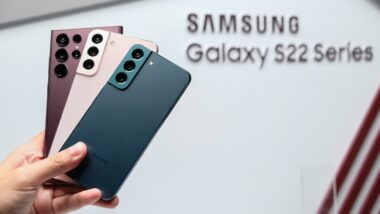
The FCC ruling also established a new interpretation for the TCPA term of “autodialer,” which will now include devices that even just have the “potential” to sequence or dial random numbers. This new TCPA statute interpretation would potentially include a whole host of devices not previously covered under the act, including smartphones. Some defense attorneys find the new interpretation “absurd” and argue the agency’s ruling should have been aimed to stop abusive use of technology, not stop the use of the technology in and of itself.
FCC Chairman Tom Wheeler has defended the new TCPA ruling, stating it aims to eliminate the annoyance to consumers of dealing with automated telemarketing calls. Wheeler also pointed out that 39 different state attorneys sent letters to the FCC asking the agency to impose additional consumer protection clauses.
In regards to what these new rules may mean for TCPA lawsuits and TCPA class action lawsuits, “If there is a problem in this regard, the forum for resolution is Congress, not the FCC … Congress explicitly gave consumers a private right of actions to sue those who violate the TCPA,” Wheeler states.
Join a Free TCPA Class Action Lawsuit Investigation
If you were contacted on your cell phone by a company via an unsolicited text message (text spam) or prerecorded voice message (robocall), you may be eligible for compensation under the Telephone Consumer Protection Act.
ATTORNEY ADVERTISING
Top Class Actions is a Proud Member of the American Bar Association
LEGAL INFORMATION IS NOT LEGAL ADVICE
Top Class Actions Legal Statement
©2008 – 2026 Top Class Actions® LLC
Various Trademarks held by their respective owners
This website is not intended for viewing or usage by European Union citizens.