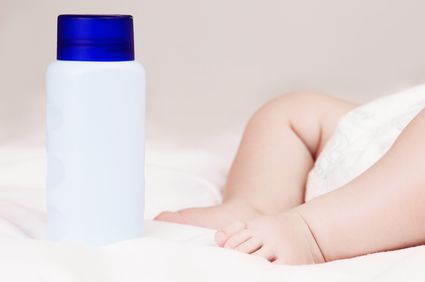
 On July 15, the non-governmental organization (NGO) known as the Environmental Working Group (EWG) Action Fund called for a ban on the use of talc in children’s products, as the mineral can become naturally contaminated with asbestos in the ground where it is harvested.
EWG performs tests on children’s products, and during these tests discovered traces of asbestos in kid’s crime scene fingerprint kits and crayon boxes. Talc is often used as a binding agent in crayon products and other children’s products; however, according to the FDA, talc and asbestos naturally occur in close proximity in the earth, leading to fairly regular cross contamination.
The EWG did not divulge the concentration of asbestos fibers found in talc-containing crayons and crime scene kits tested by the NGO, but states, “As the lab tests demonstrate, voluntary action by companies has not been enough to ensure that talc is free of asbestos.”
In response to this findings, the EWG Action Fund wrote a letter to Consumer Products Safety Commission (CPSC) chairman Elliot Kaye, saying:
“It is well-established, and CPSC itself recognizes, that inhalation of asbestos fibers can lead to mesothelioma, lung cancer and asbestosis, and that there is no safe level of asbestos exposure. EWG Action Fund calls on the CPSC to revisit its earlier findings and require the removal of talc, that may be contaminated with asbestos, from children’s crayons.”
This is not the first time talc powder has come under fire for possible carcinogenic properties. In fact, Johnson & Johnson is currently fighting litigation regarding baby powder ovarian cancerclaims concerning their Johnson’s Baby Powder products, which are mainly manufactured using talc powder.
Asbestos Testing and Removal Recommendations
As noted by the EWG, the federal commission has conducted its own talc-asbestos study. In 2000, following the Seattle Post-Intelligencer study examining several Crayola products that allegedly contained asbestos, the CPSC investigated and tested certain crayons to determine if they featured asbestos fibers and at what concentrations. The CPSC’s report found that a concentration of 0.03% trace amounts of asbestos were found in some crayons. Additionally, transitional fibers were also detected in some crayon products in concentrations reportedly up to 1.25%.
Based on these findings, the CPSC determined that the risk of a child being exposed to asbestos fibers through inhaling crayon particles or ingesting products was “extremely low,” but has still recommended that these fibers be removed from crayon products in the future as a precaution.
In addition to an outright ban of talcum powder in children’s products, the EWG also recommended the establishment of government monitoring programs for talc imports, the development of FDA asbestos-detecting methods, and the passing of Reducing Exposure to Asbestos Database Act.
Do YOU have a legal claim? Fill out the form on this page now for a free, immediate, and confidential case evaluation. The attorneys who work with Top Class Actions will contact you if you qualify to let you know if an individual lawsuit or class action lawsuit is best for you. [In general, baby powder cancer lawsuits are filed individually by each plaintiff and are not class actions.] Hurry — statutes of limitations may apply.
ATTORNEY ADVERTISING
Top Class Actions is a Proud Member of the American Bar Association
LEGAL INFORMATION IS NOT LEGAL ADVICE
Top Class Actions Legal Statement
©2008 – 2026 Top Class Actions® LLC
Various Trademarks held by their respective owners
This website is not intended for viewing or usage by European Union citizens.
Get Help – It’s Free
Join a Free Baby Powder Cancer Class Action Lawsuit Investigation
If you used Johnson’s Baby Powder, Shower to Shower, or another talcum powder product and were diagnosed with ovarian cancer, you may have a legal claim. Family members of loved ones who died of ovarian cancer can also join. Submit your information now for a free case evaluation.
An attorney will contact you if you qualify to discuss the details of your potential case at no charge to you.