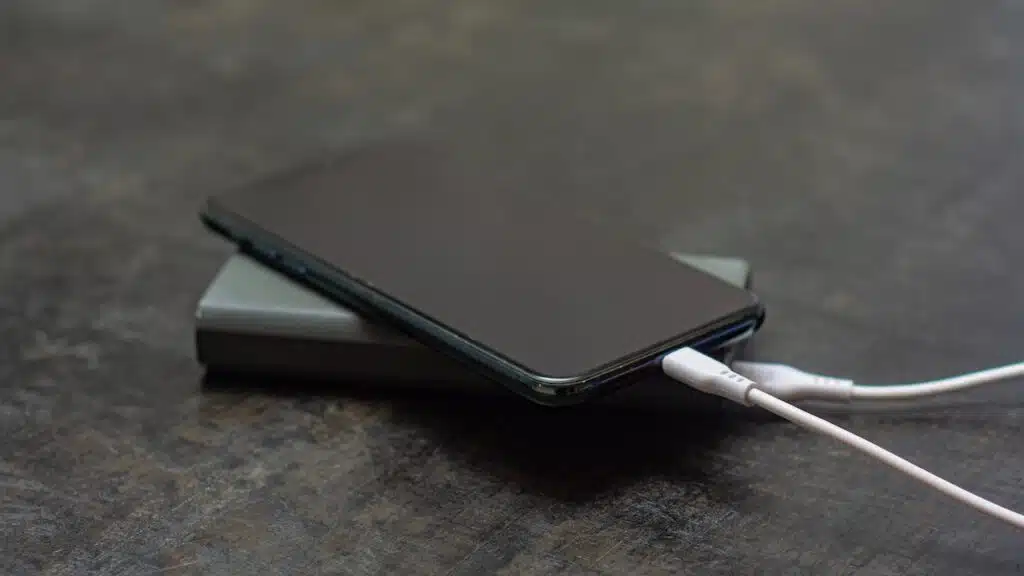
 In an Enhanced Recovery Company TCPA lawsuit, a plaintiff is taking the Florida debt collection agency to task for allegedly making not consented robocalls to her mobile phone.
The alleged robocalls came as part of an attempt by Enhanced Recovery and two other defendants, Synchrony Bank and Nationwide Credit Inc., to collect a debt allegedly owed by plaintiff Carolyn B.
Carolyn says the calls began in April 2013. She alleges defendant Synchrony Bank started calling her then on her mobile phone – even though she never gave Synchrony her mobile phone number.
In March 2014, she says, she received a debt collection letter from Enhanced Recovery, saying it was attempting to recover a debt on behalf of Synchrony. Soon after that, she says, Enhanced Recovery began calling her on her mobile phone.
She says defendant Nationwide Credit began a similar barrage of phone calls within days of sending her a debt collection letter in May 2015.
Carolyn alleges the defendants called her on her mobile phone several times within a single day and on back to back days. The calls came frequently enough to constitute harassment, she claims.
She estimates she received a total of 142 calls from Synchrony, 150 calls from Nationwide, and 16 calls from Enhanced Recovery – for a total of 308 alleged unconsented for robocalls.
Carolyn says she never consented to receiving calls like these from any of the three defendants. In fact, she says, she never gave them her phone number.
Because of the huge number of calls she received from the defendants, Carolyn believes the defendants used an automatic telephone dialing system to make these calls.
She also reports that when she took the call or listened to messages left on her voicemail, she heard an extended pause before a live agent began to speak.
Debt Collection Calls Lead to Enhanced Recovery Company TCPA Lawsuit
Carolyn alleges these calls violated the Telephone Consumer Protection Act, or TCPA.
According to Carolyn’s Enhanced Recovery Company TCPA lawsuit, unwanted calls are the number one complaint received by the FCC.
“There are thousands of complaints to the FCC every month on both telemarketing and robo-calls. The FCC received more than 215,000 TCPA complaints in 2014,” according to an FCC fact sheet.
These unwanted calls are why the TCPA was enacted, according to Carolyn.
“Senator Hollings, the TCPA’s sponsor, described these calls as ‘the scourge of modern civilization, they wake us up in the morning; they interrupt our dinner at night; they force the sick and elderly out of bed; they hound us until we want to rip the telephone out of the wall,’” Carolyn says, quoting a federal appeals court’s opinion.
Carolyn’s Enhanced Recovery Company TCPA lawsuit includes claims against Enhanced Recovery for violation of the federal Fair Debt Collection Practices Act and the Florida Consumer Collection Practices Act.
She seeks an award of damages, court costs, and interest, as well as an order from the court barring the defendants from continuing the practices complained of.
The Enhanced Recovery Company TCPA Lawsuit is Case No. 8:16-cv-02628, in the U.S. District Court for the Middle District of Tampa.
Join a Free TCPA Class Action Lawsuit Investigation
If you were contacted on your cell phone by a company via an unsolicited text message (text spam) or prerecorded voice message (robocall), you may be eligible for compensation under the Telephone Consumer Protection Act.
ATTORNEY ADVERTISING
Top Class Actions is a Proud Member of the American Bar Association
LEGAL INFORMATION IS NOT LEGAL ADVICE
Top Class Actions Legal Statement
©2008 – 2026 Top Class Actions® LLC
Various Trademarks held by their respective owners
This website is not intended for viewing or usage by European Union citizens.

Suing for unpaid wages in California: Recover unpaid overtime, back pay and more
April 2, 2026 | Legal News