
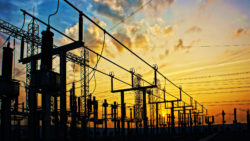
 Over the last couple of decades, more and more consumers have had the opportunity to seek out alternative means to obtain their electricity. The current market was brought about most recently by the National Energy Policy Act, passed in 1992, which allowed greater competition within the energy industry. Producers of electric power were then able to compete in the sales of electricity to utility companies.
Not long after, in 1996, an order was issued by the Federal Energy Regulatory Commission requiring all utilities to open their transmission lines to competitors, in an effort to eliminate monopolies.
Shortly after the order was issued, pilot programs for energy deregulation were undertaken in states like New Hampshire, California, Arizona, Pennsylvania, Massachusetts and Rhode Island. It also sparked a greater debate for the potential of having a national deregulation plan, which would serve to increase competition and decrease electricity costs in the market.
The idea behind energy deregulation was to dissolve the monopoly of the electricity industry to open it up to market competition where consumers had the upper hand choosing the provider of their electricity like they are able to choose telephone carriers. It sought to benefit consumers by allowing consumer choice and lowering overall prices based on competition within the market.
In many ways, it seems that the goal to reduce costs for consumers and to encourage market competition has been only partly successful. Some companies new to the electricity scene jumped at the opportunity to buy inexpensive electricity at wholesale prices to resell to consumers. They enticed consumers with promises of lower costs and more personalized services.
What happened in some situations is that the new electricity companies that began selling to consumers offered great deals to get them to leave their large electricity companies with the promise of saving money on their utilities. Then, after a set period of time, great deals expired and customers were placed on alternate pricing plans, including those with variable rates.
What some consumers began to see was not only were they not saving the money they had anticipated, they were actually being charged more for the electricity in the end due to what some describe as “bait-and-switch” schemes and other questionable practices.
Unhappy consumers began taking matters into their own hands and filed electric utility class action lawsuits against several companies engaging in these practices. Two companies that have the target of class action lawsuits over exorbitant electric bills and improper practices include Stream and Ambit Energy.
Stream was accused of using low fixed rates to bring customers in. But after a short time period, these low fixed rates turned into variable rates that made consumer electricity costs skyrocket. The electric utility lawsuit specifically states that Stream charged “an exorbitant monthly rate” and failed to disclose the term length associated with the contract.
Ambit Energy faced similar accusations. The consumer who filed the claim stated that instead of saving money in electricity costs by switching to Ambit Energy, he faced bills that were double what he was paying before he had switched companies.
Filing a Lawsuit over Excessive Electricity Costs
If you live in a state that has deregulated electricity and you experienced a significant increase in your electricity costs after switching to a company that may be engaging in improper practices, you may be eligible to take legal action. Eligible plaintiffs may qualify to file an individual or class action lawsuit to recover lost expenses as well as seek to put an end to improper practices by the company.
An attorney can review your case at no charge and can help you understand the legal options that are available to you.
Join a Free Energy Deregulation Class Action Lawsuit Investigation
If you buy your electricity and gas through an energy retailer in a state where energy was deregulated and your energy costs went up, you may qualify to file an energy deregulation overcharge lawsuit or class action lawsuit.
ATTORNEY ADVERTISING
Top Class Actions is a Proud Member of the American Bar Association
LEGAL INFORMATION IS NOT LEGAL ADVICE
Top Class Actions Legal Statement
©2008 – 2026 Top Class Actions® LLC
Various Trademarks held by their respective owners
This website is not intended for viewing or usage by European Union citizens.

Suing for unpaid wages in California: Recover unpaid overtime, back pay and more
April 2, 2026 | Legal News









2 thoughts onEnergy Deregulation May Mean Increased Electricity Costs for Some Consumers
Spark Energy should be added to this lawsuit.